Unit of Inquiry
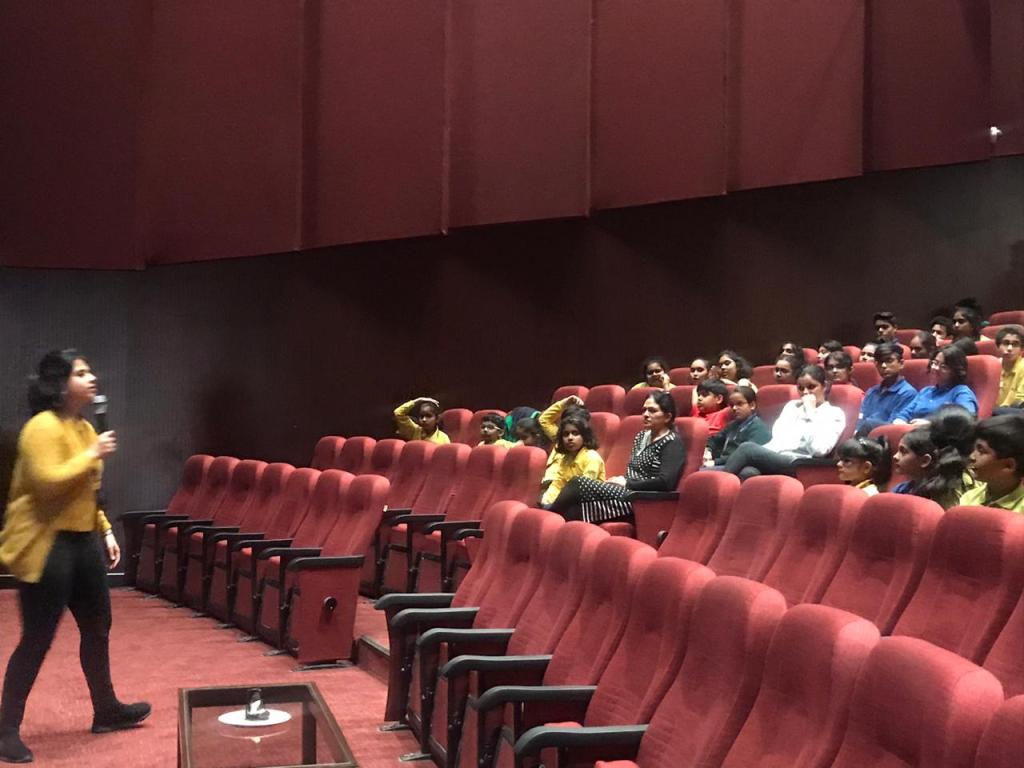
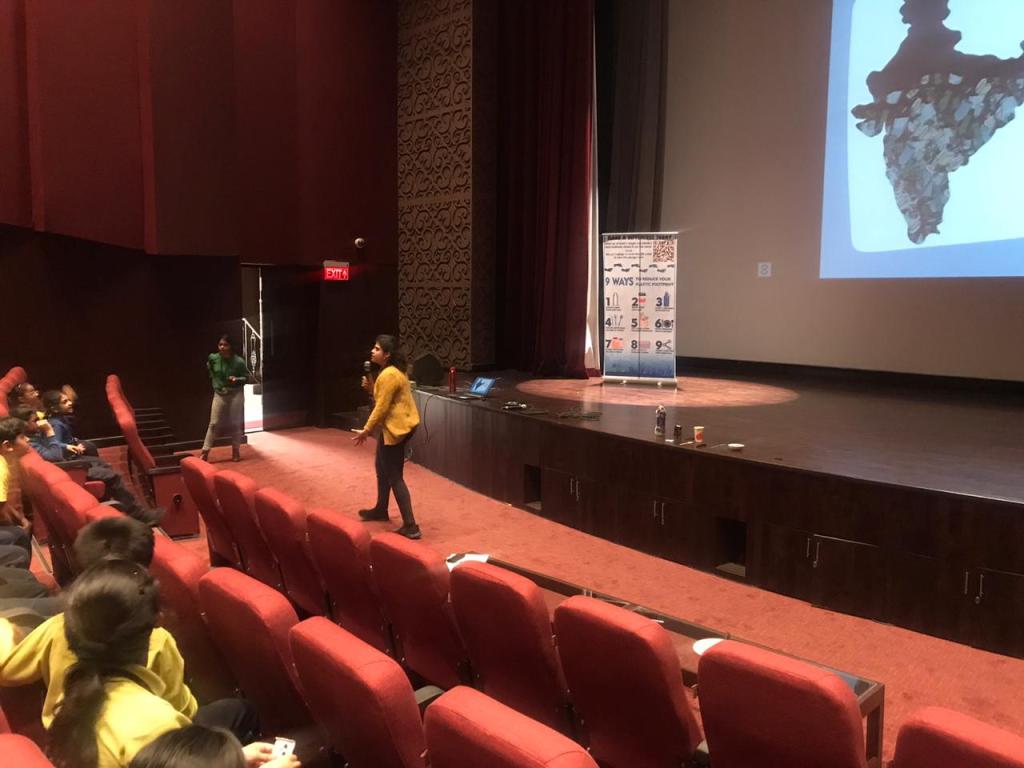
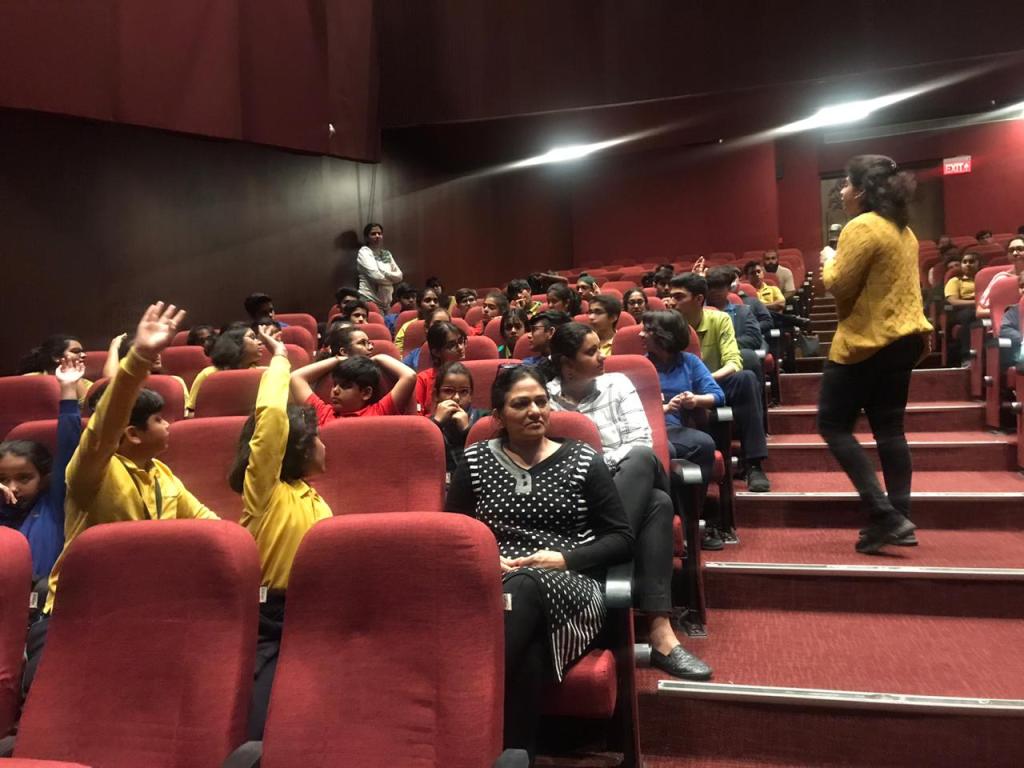
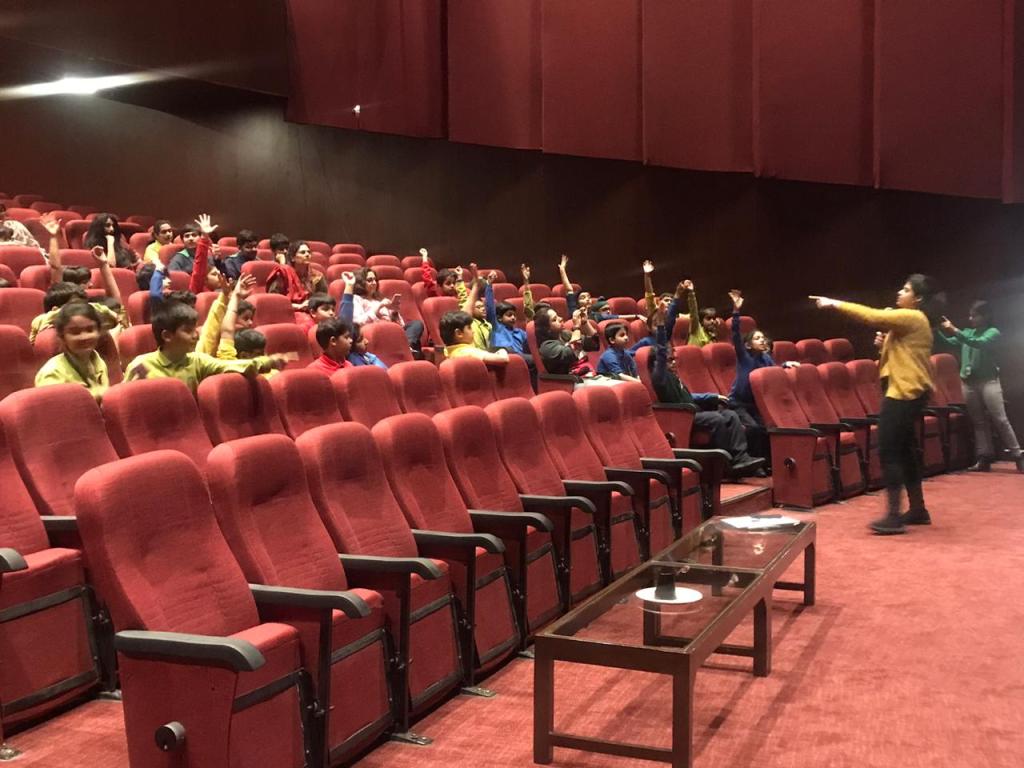
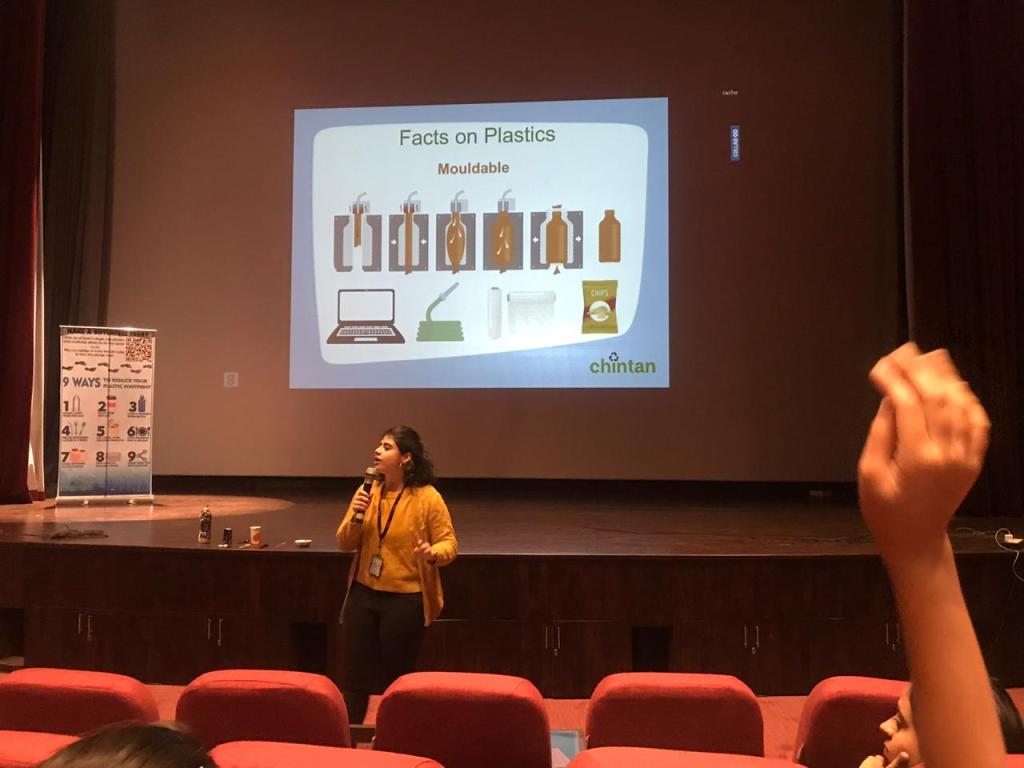
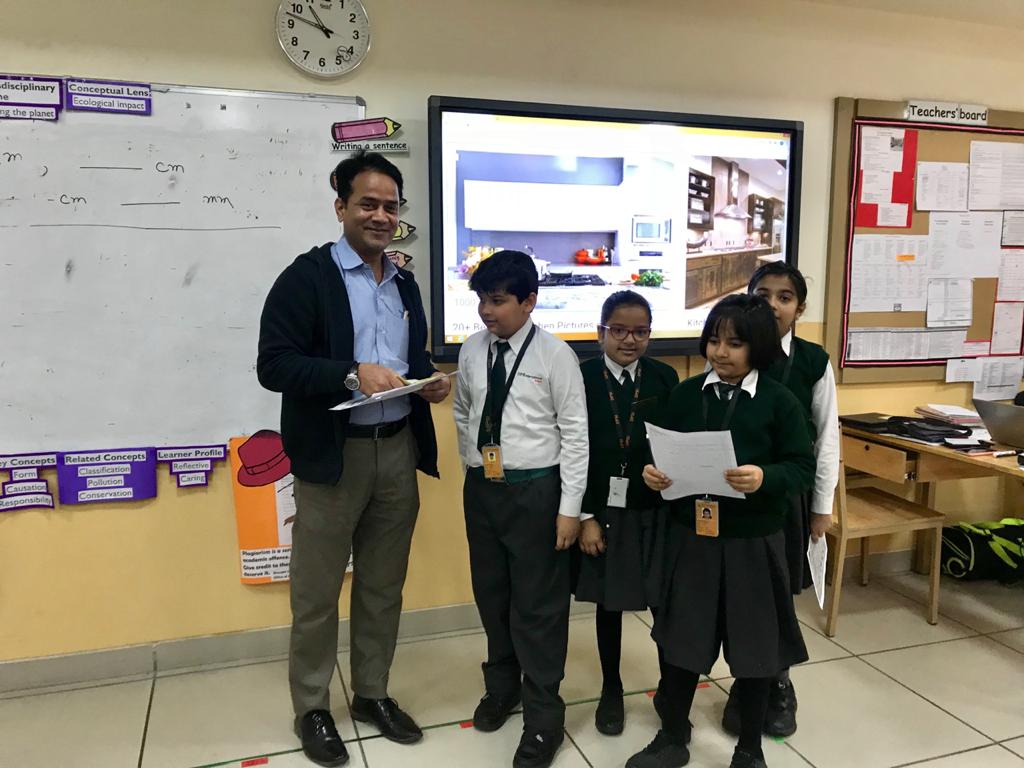
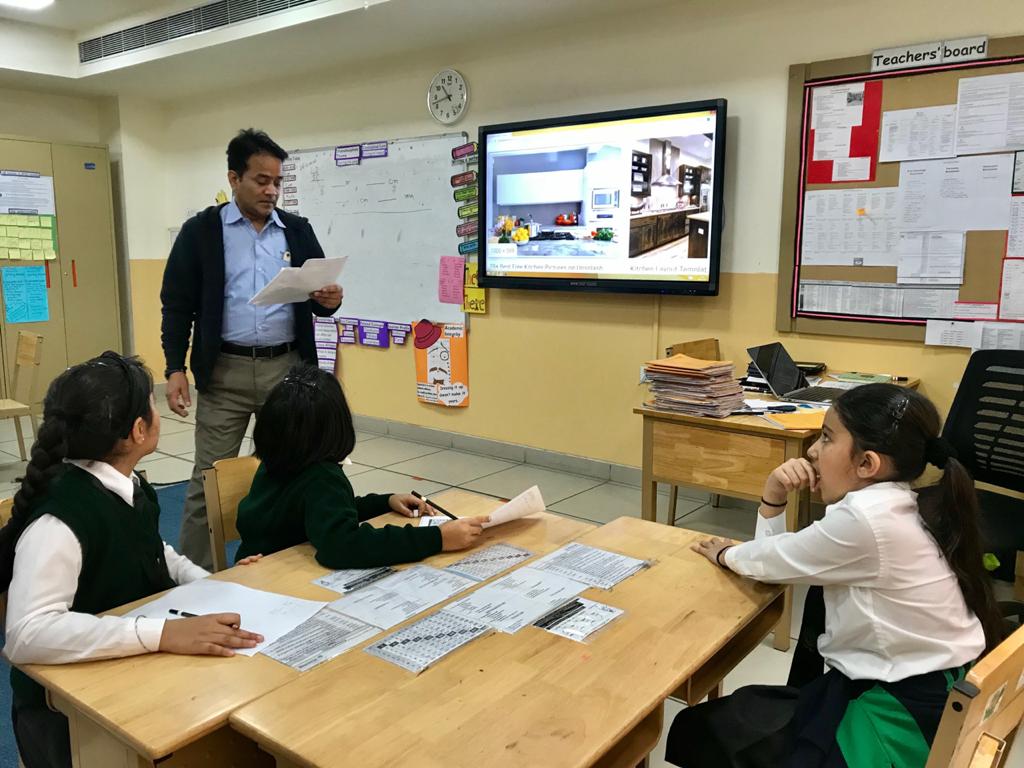
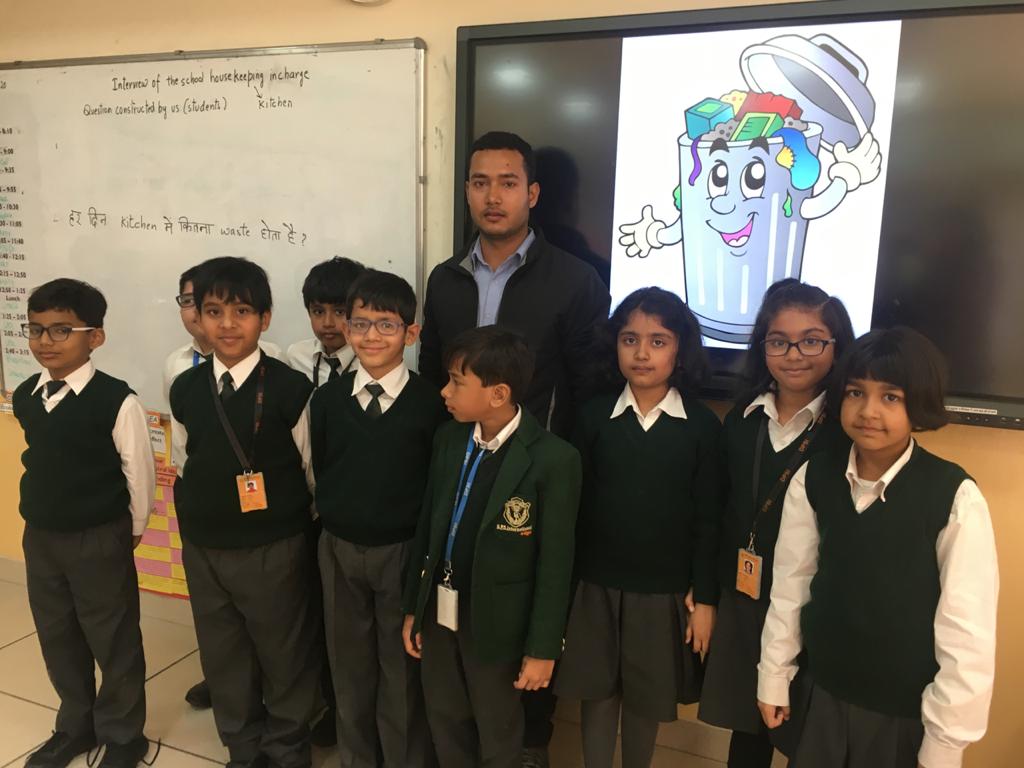
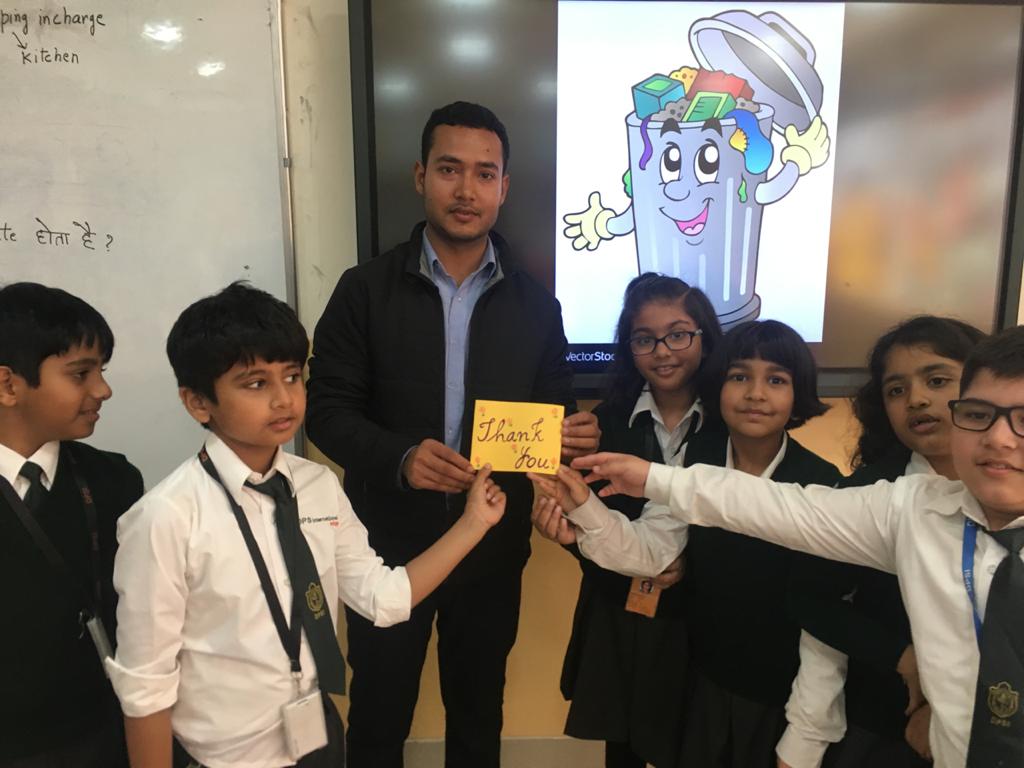
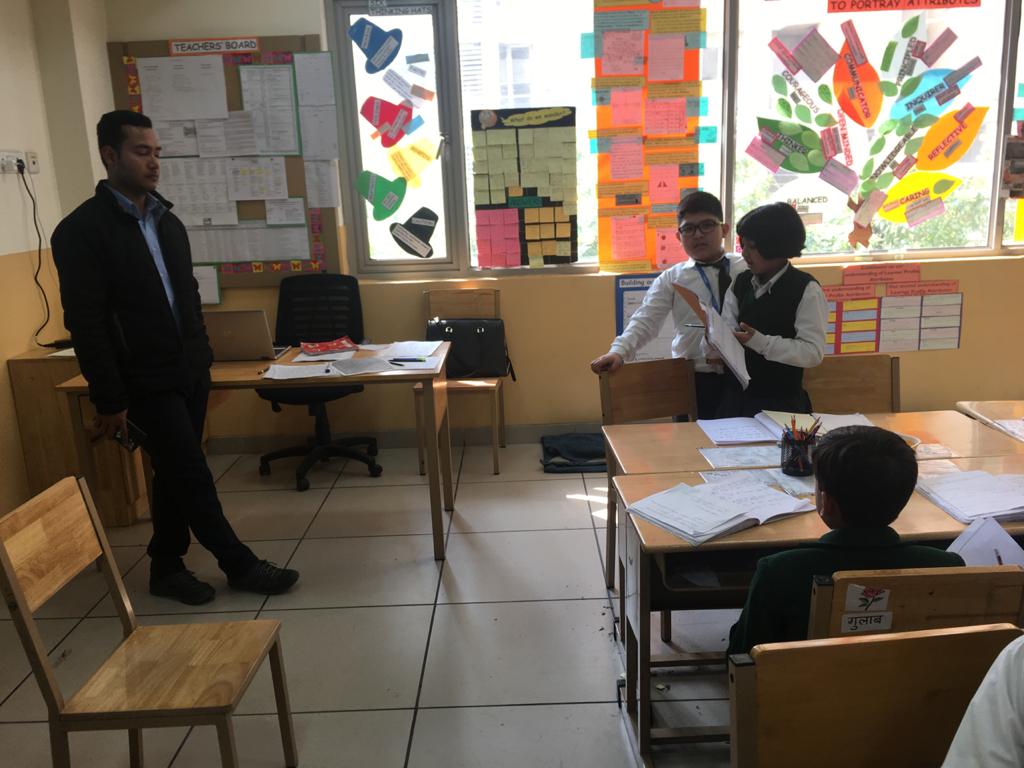
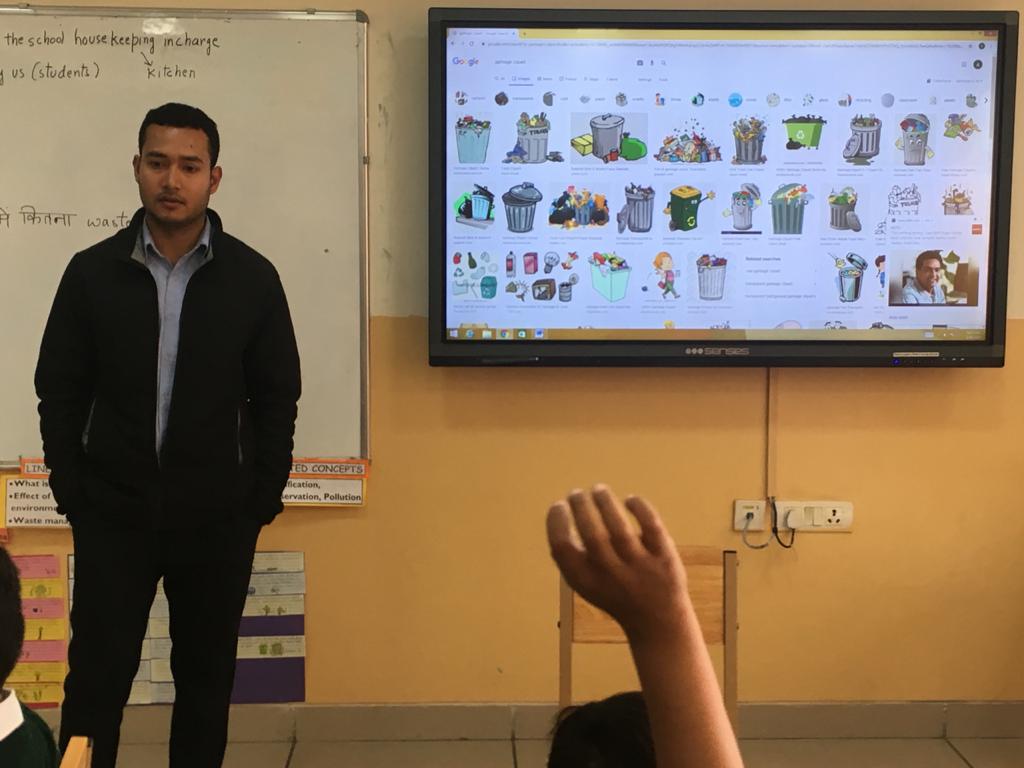
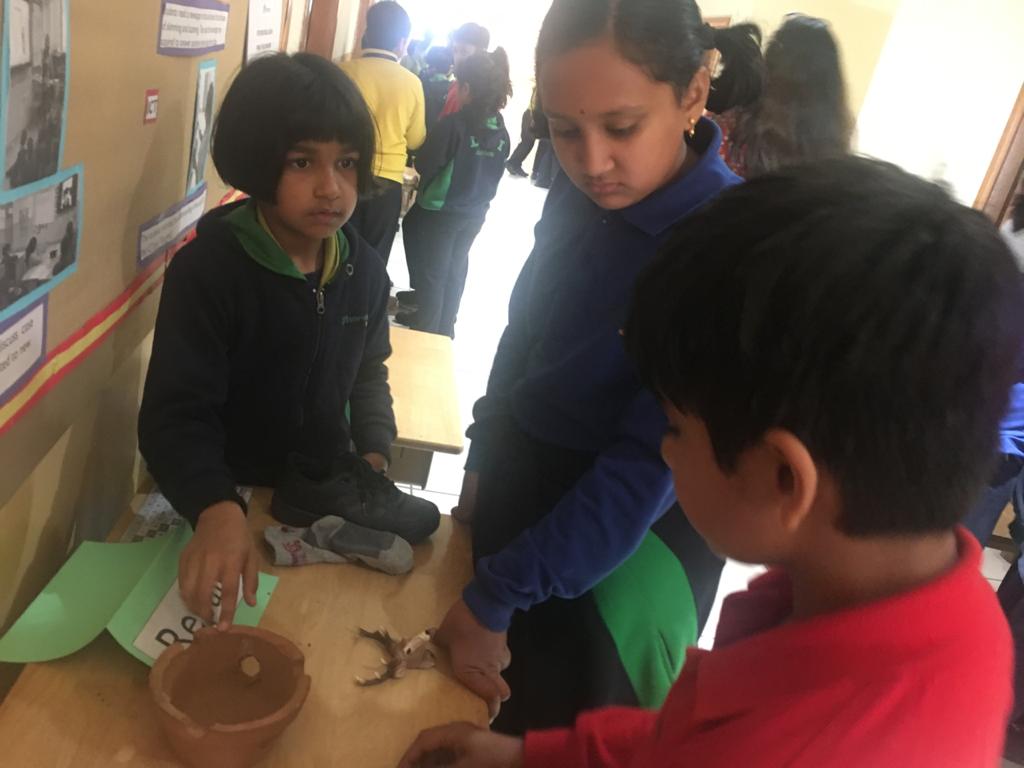
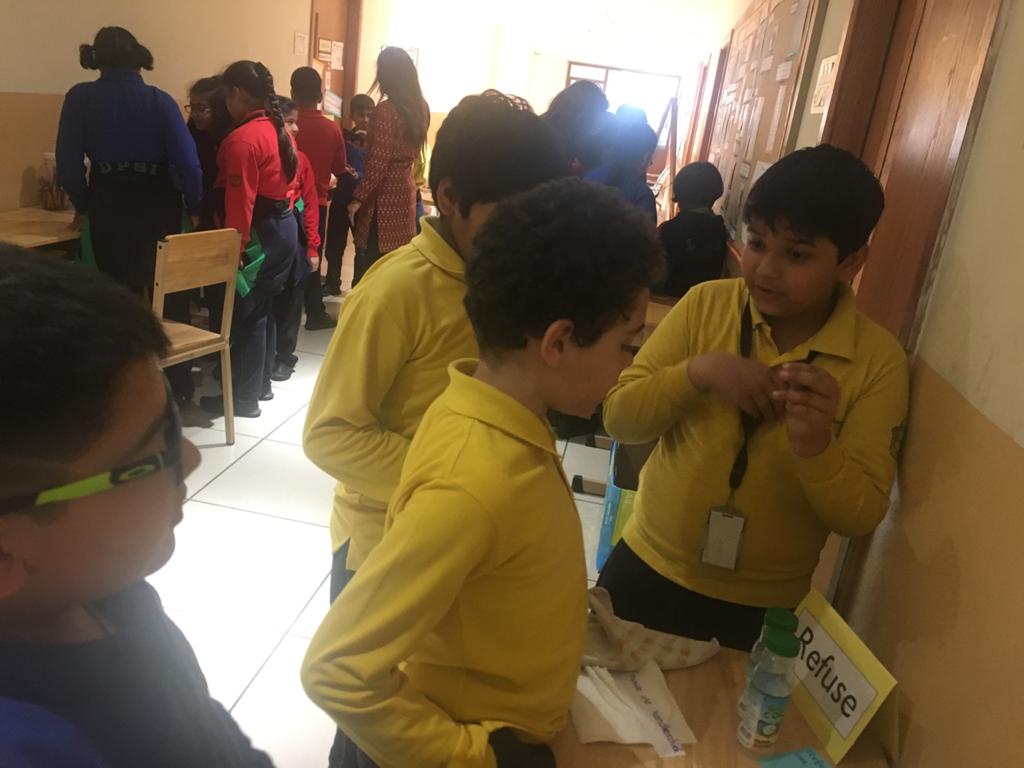
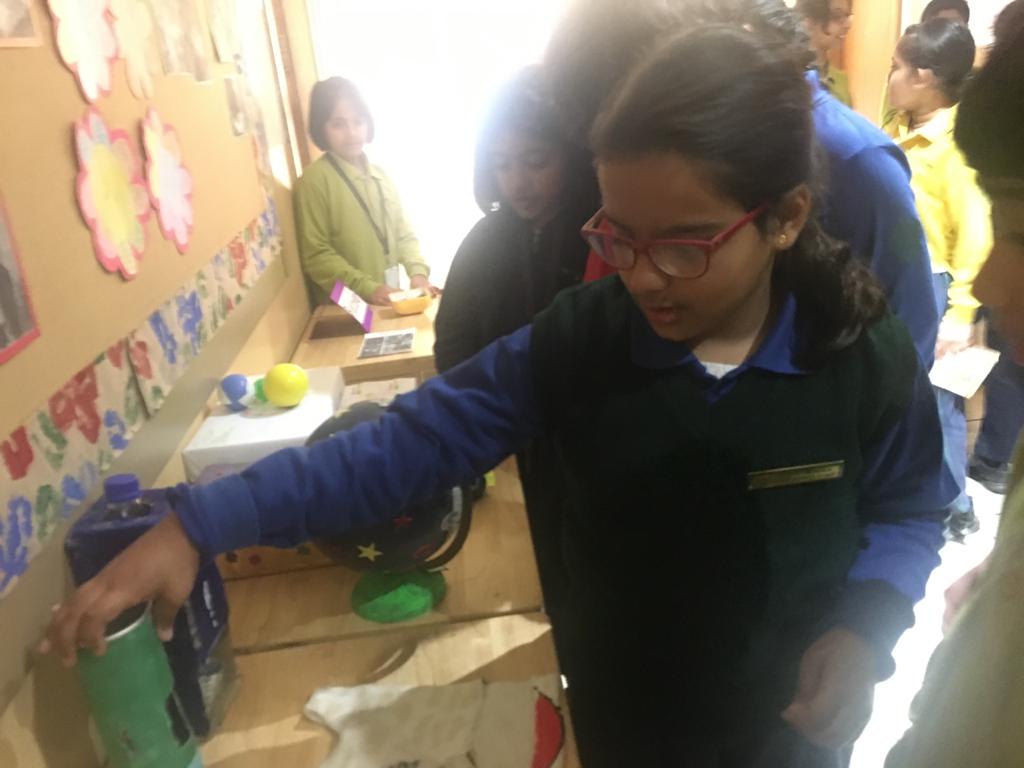
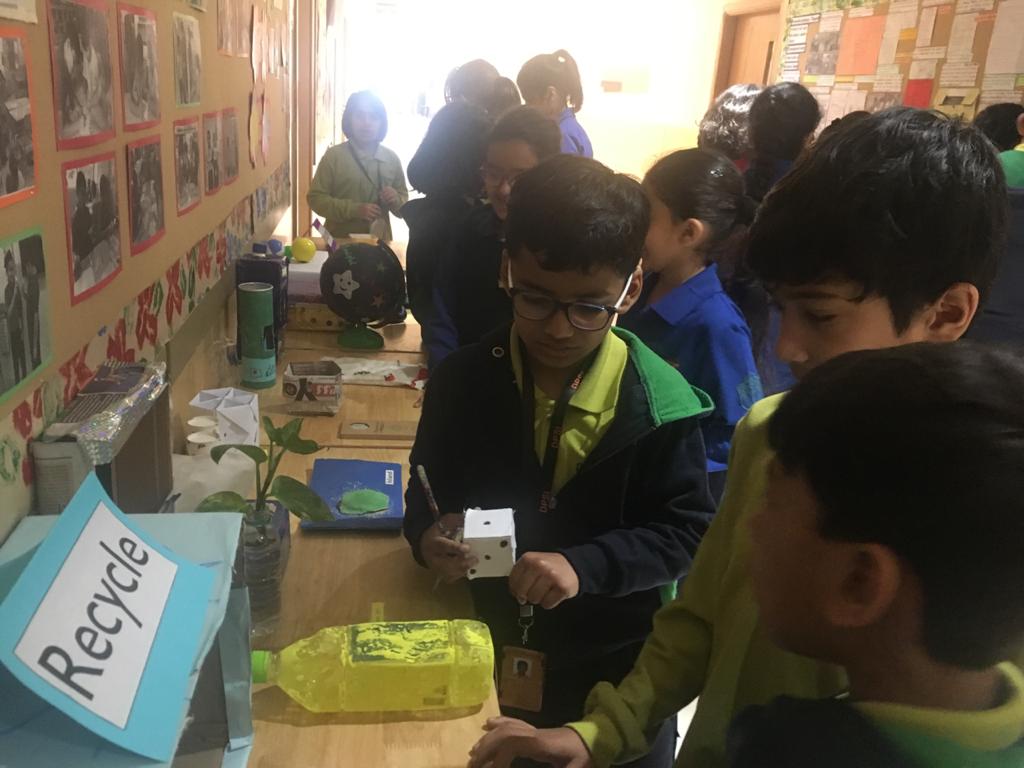
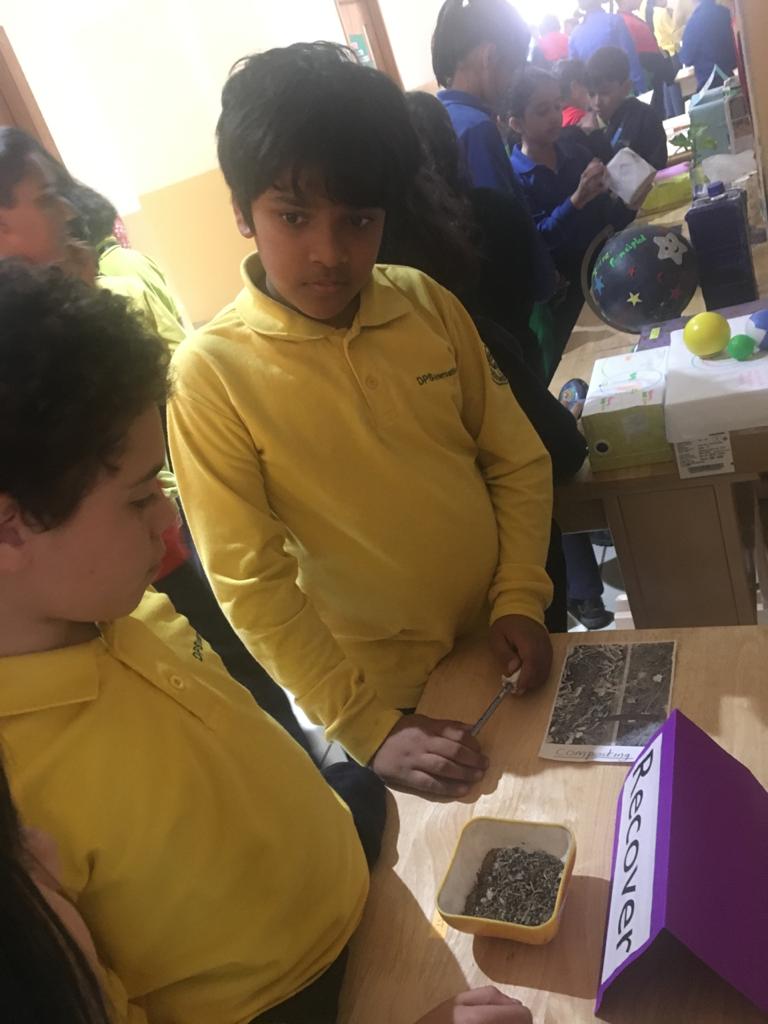
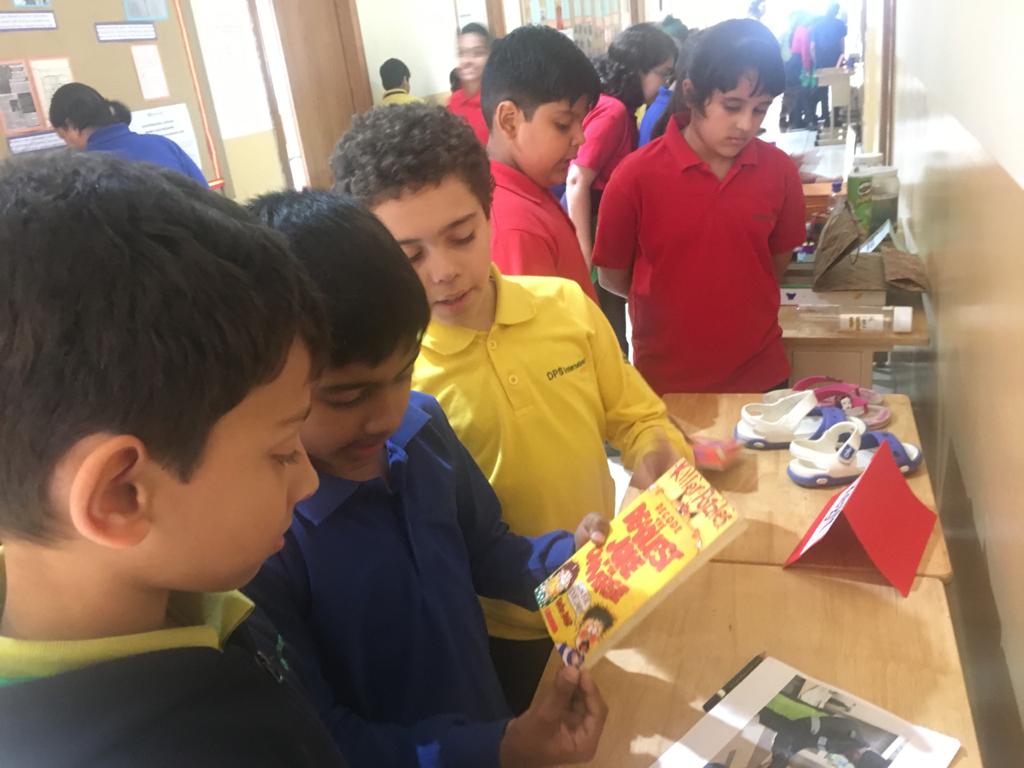
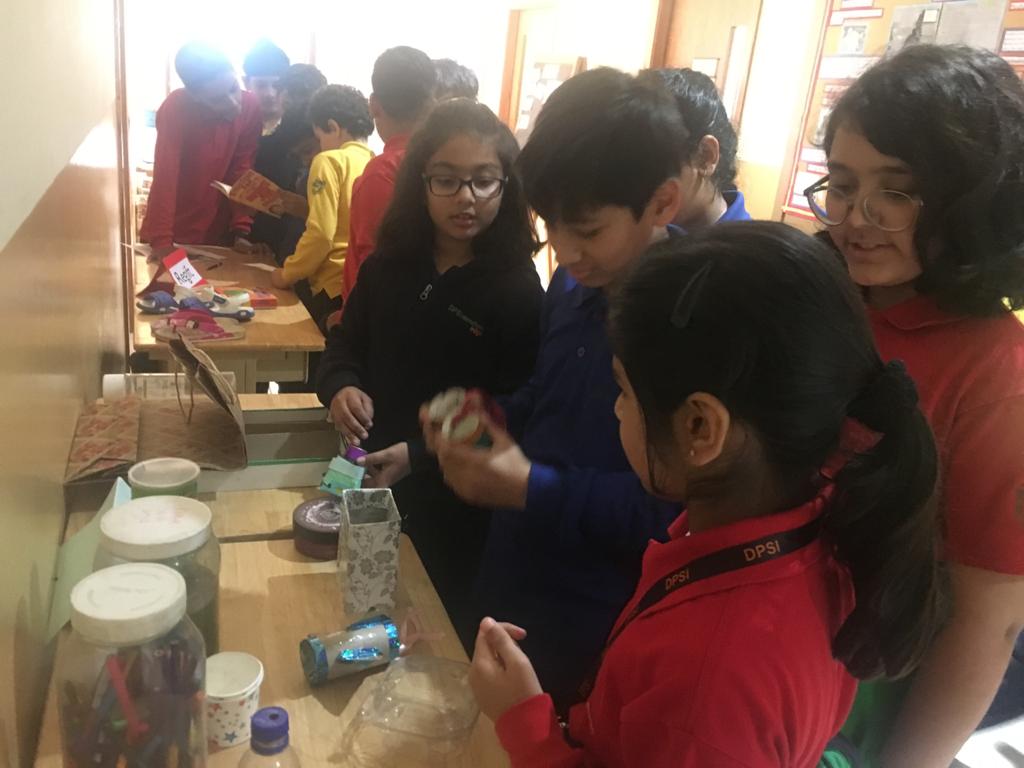
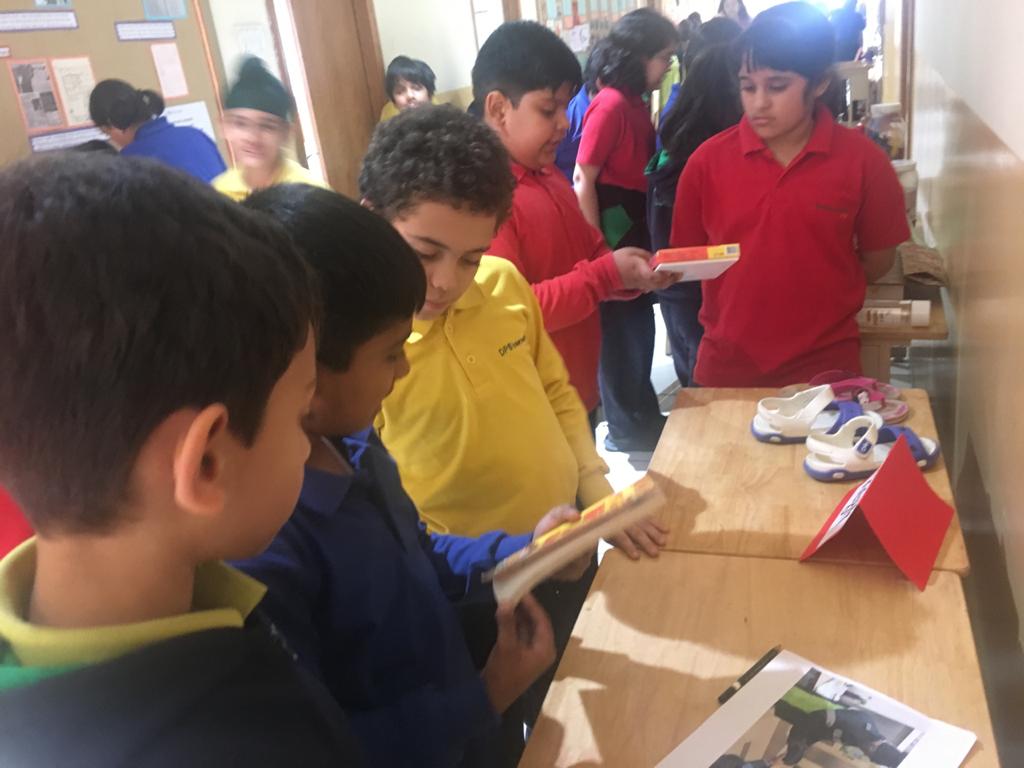
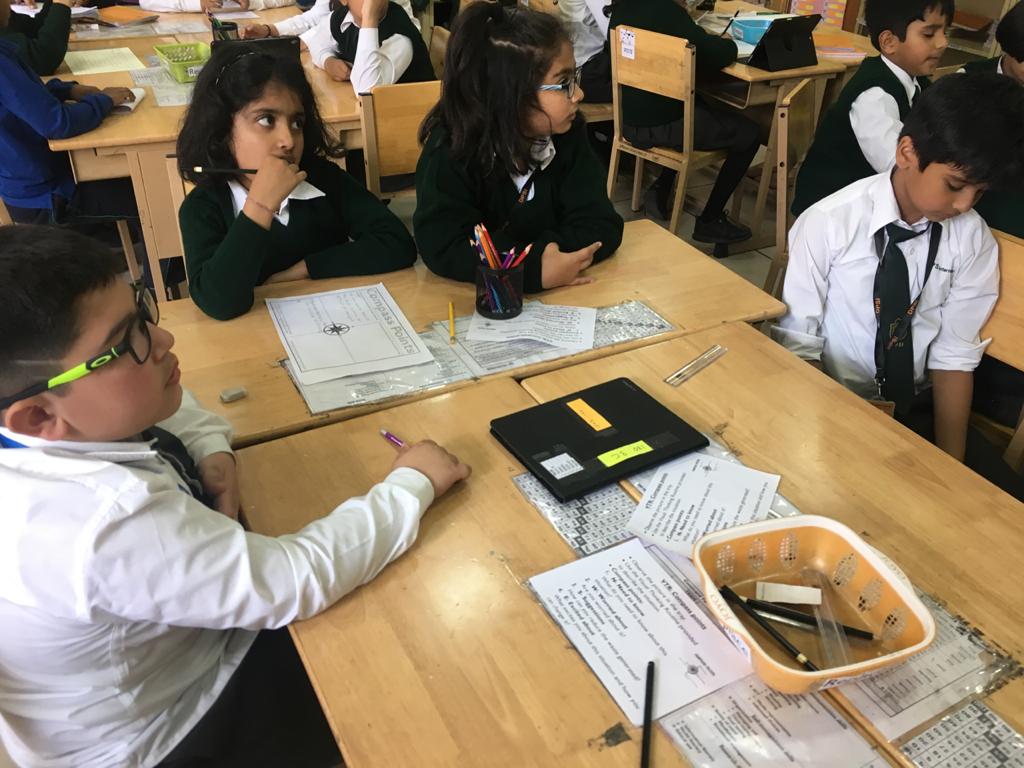
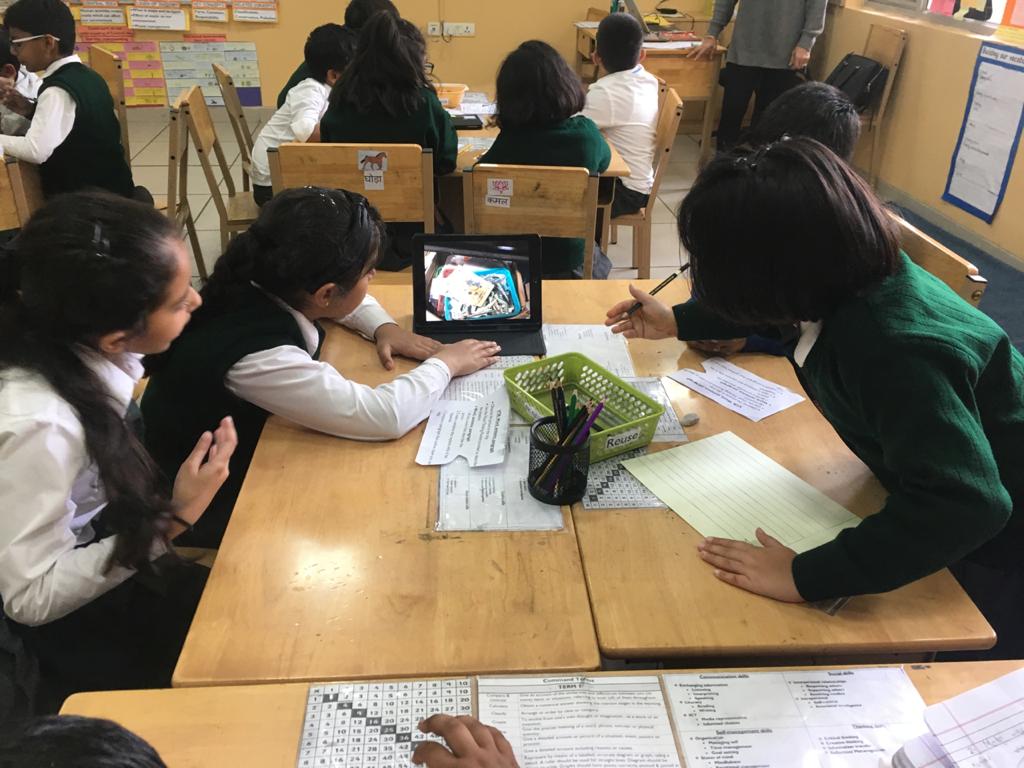
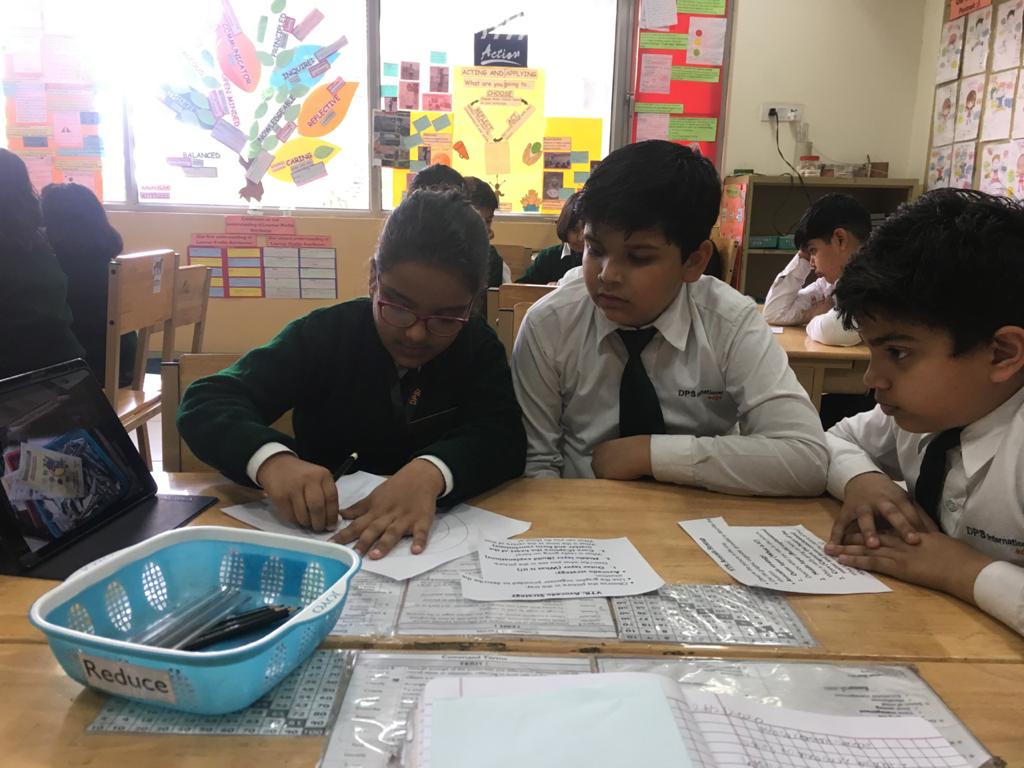
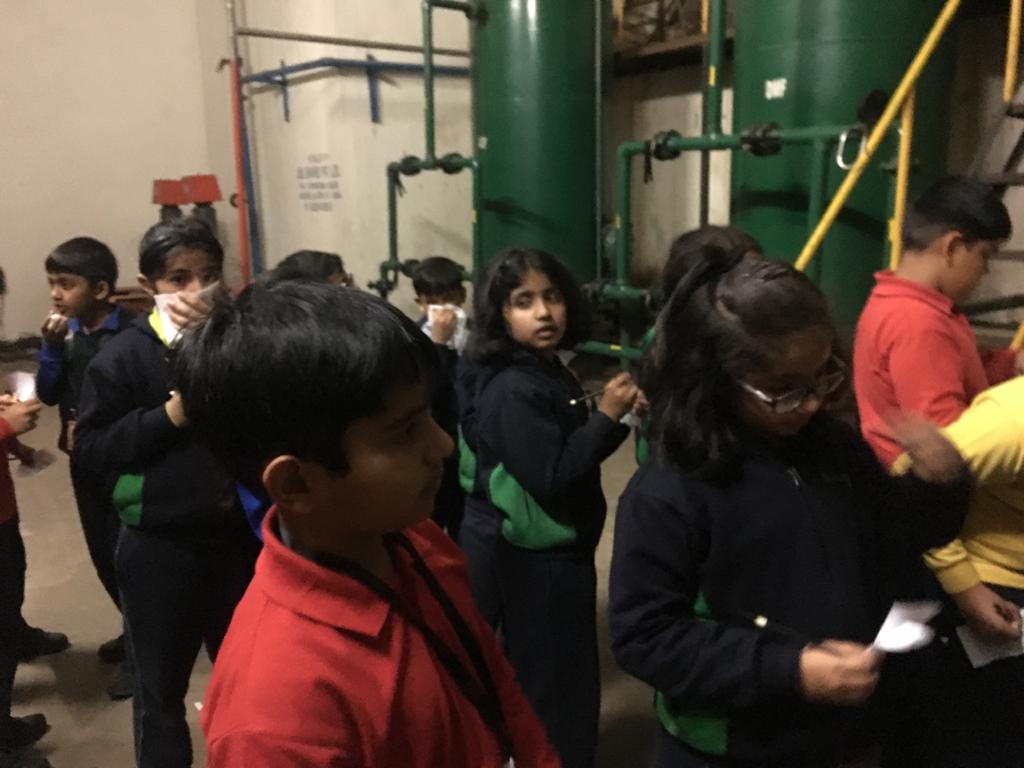
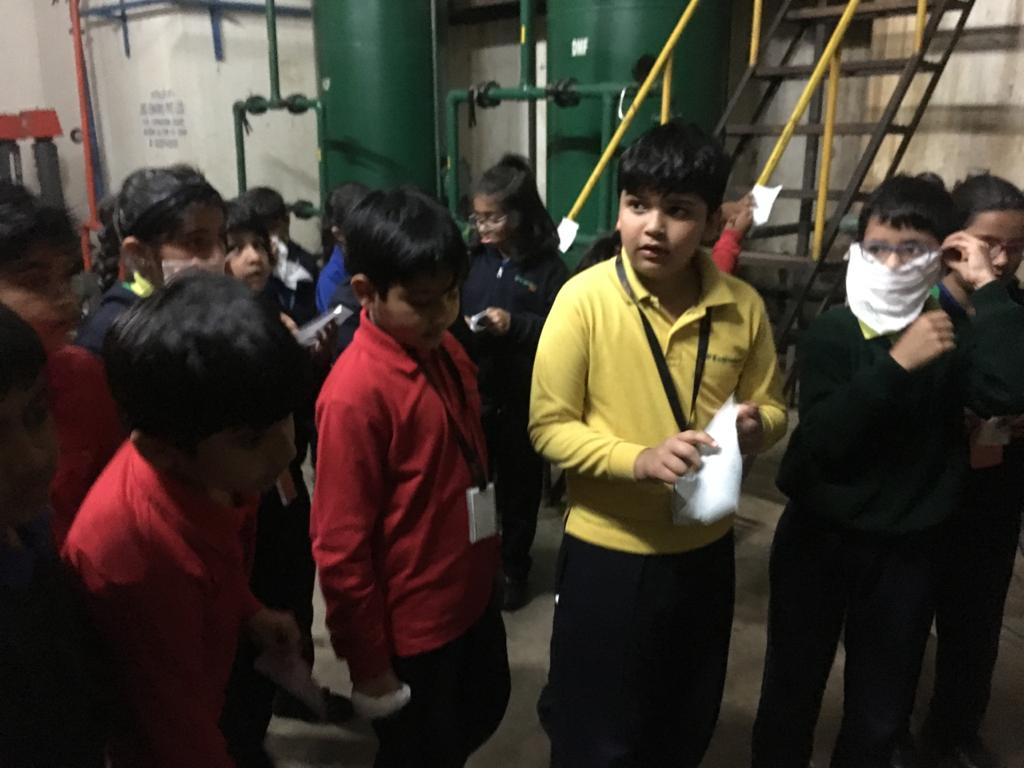
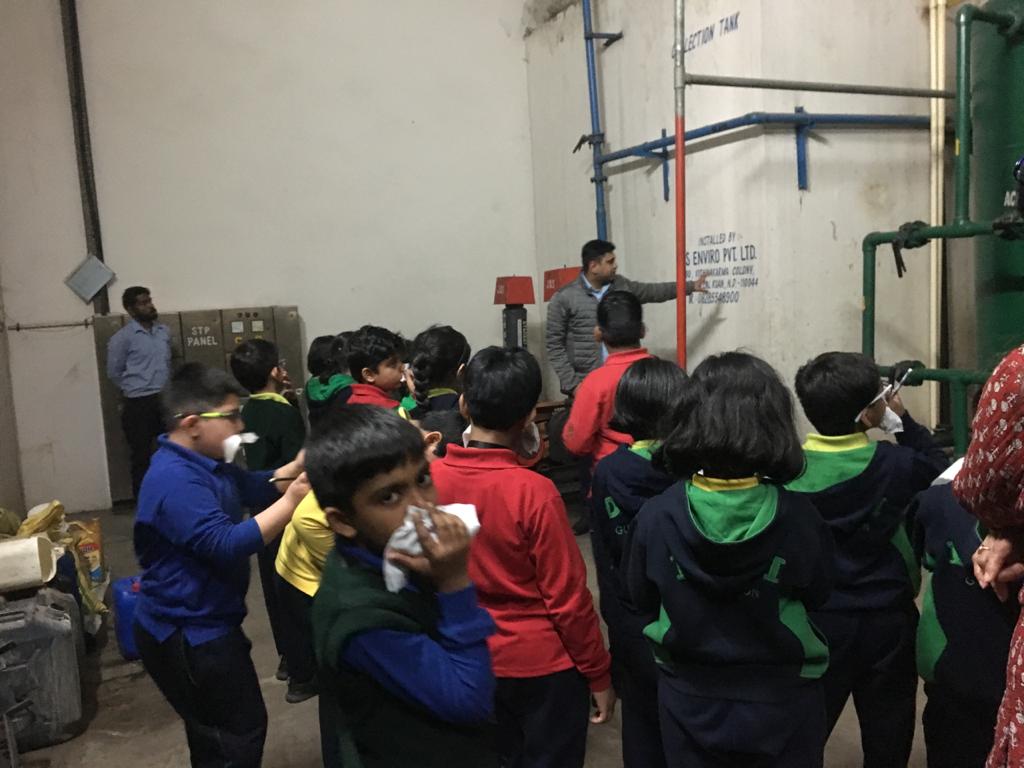
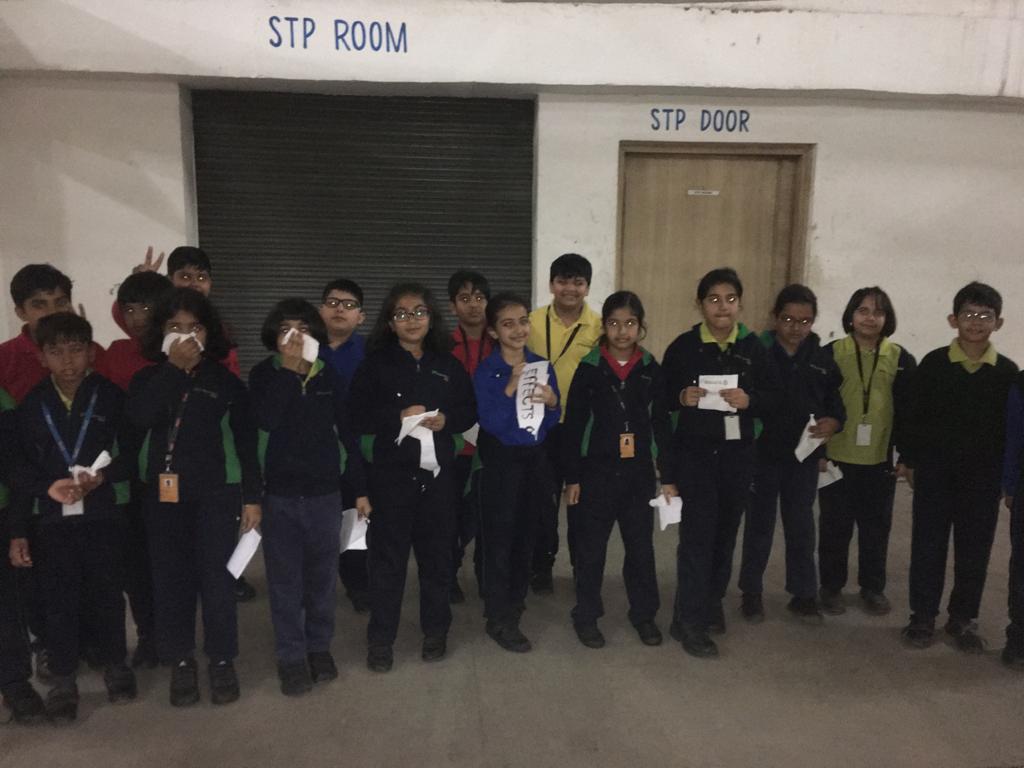
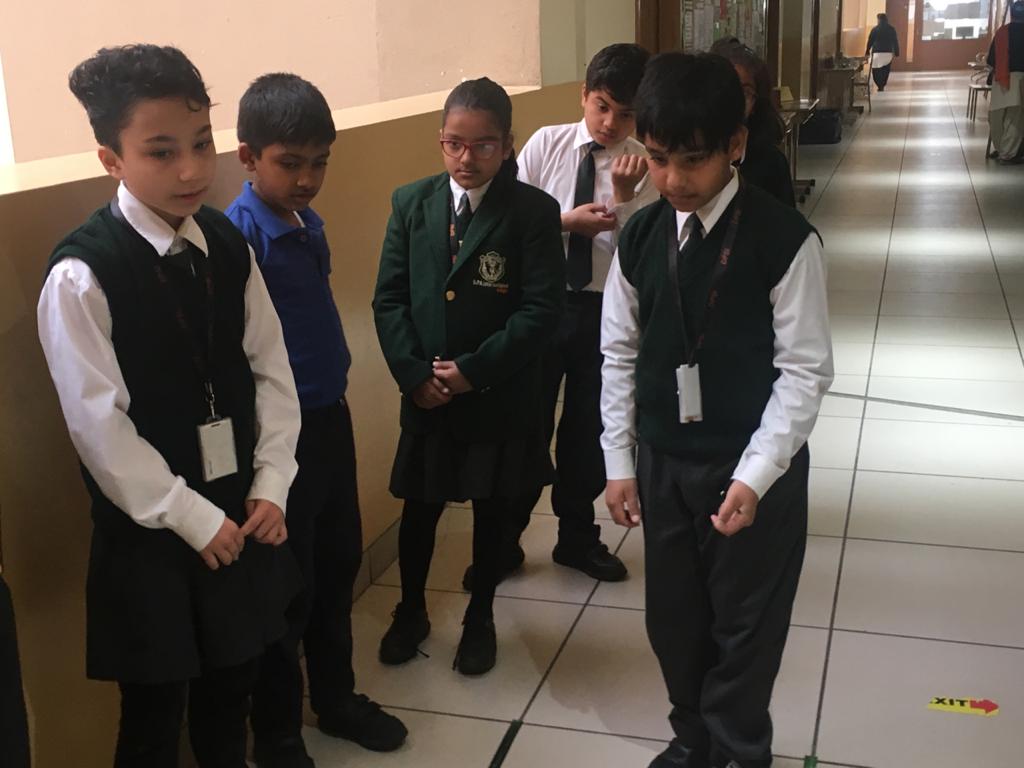
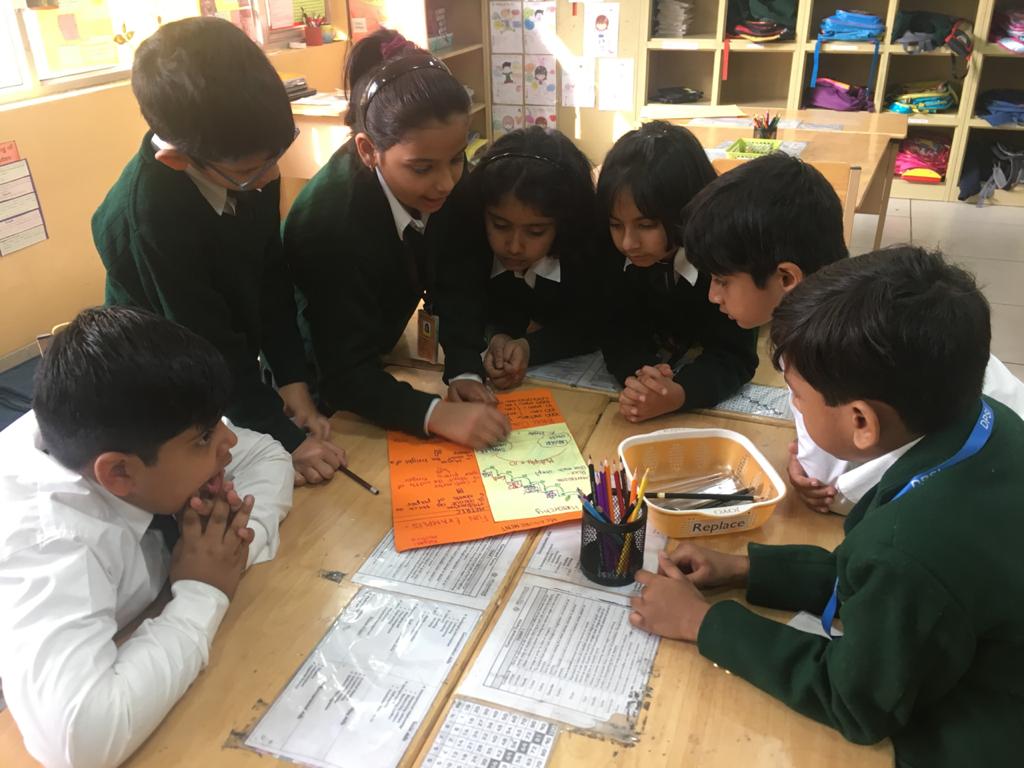
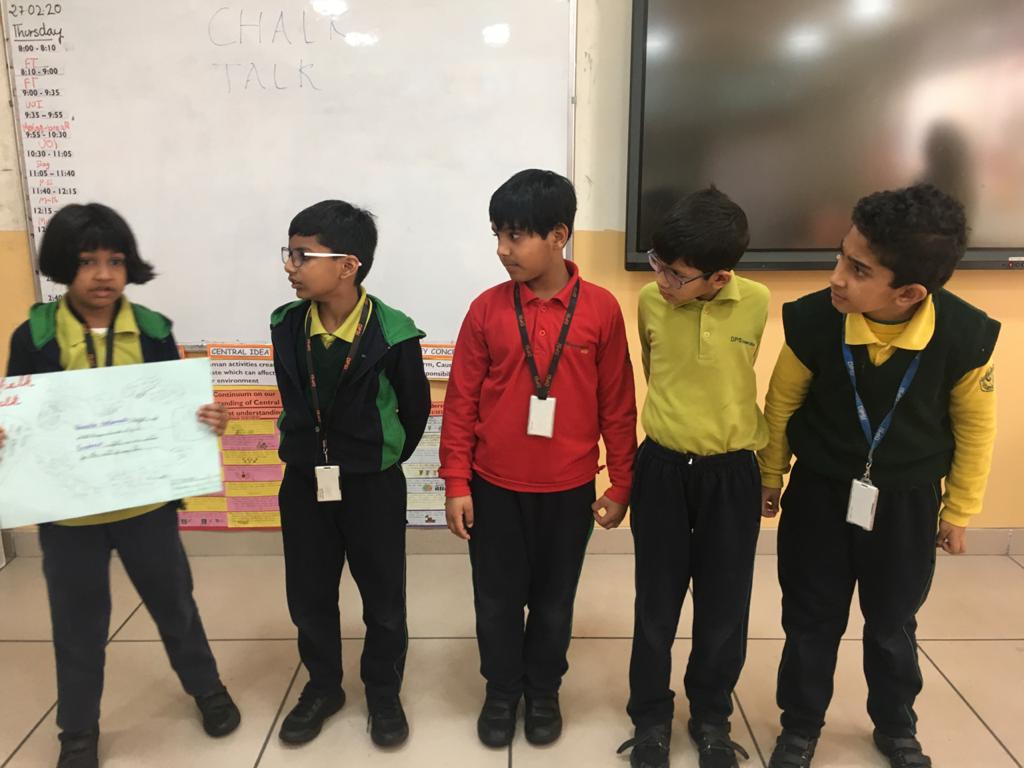
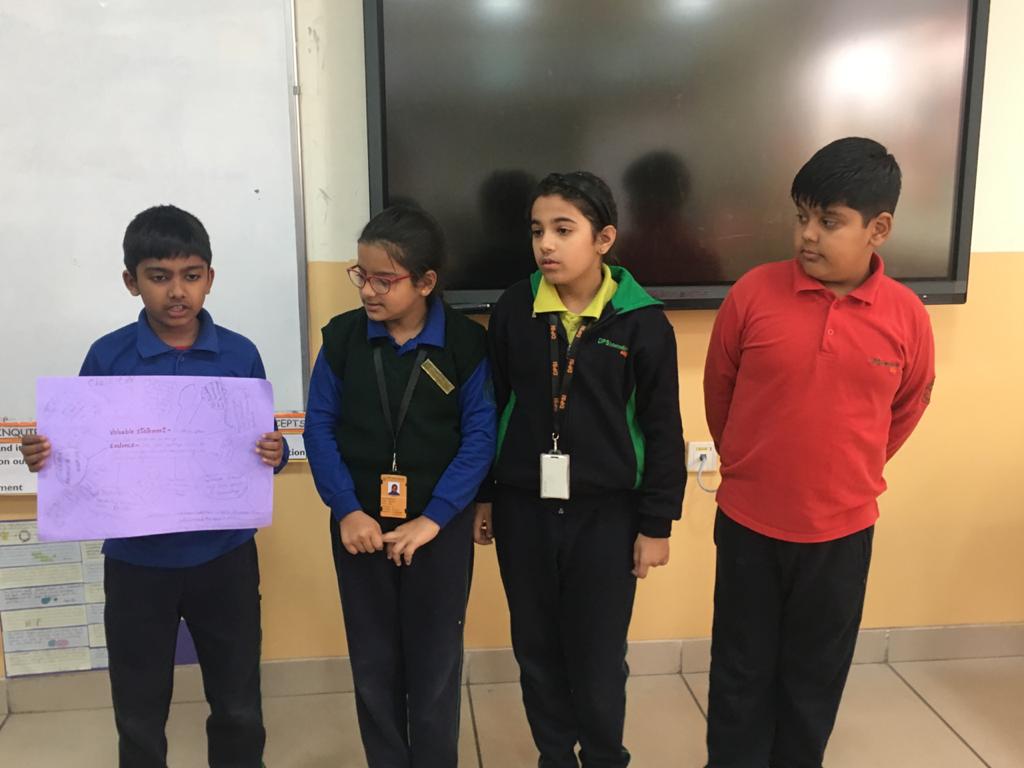
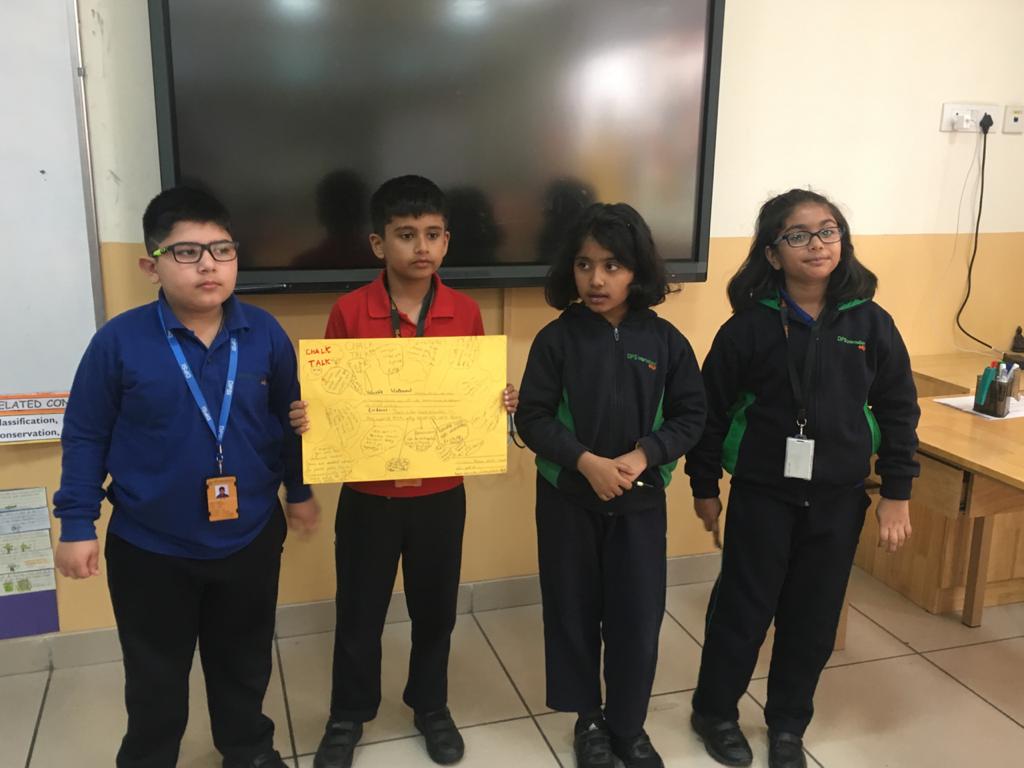
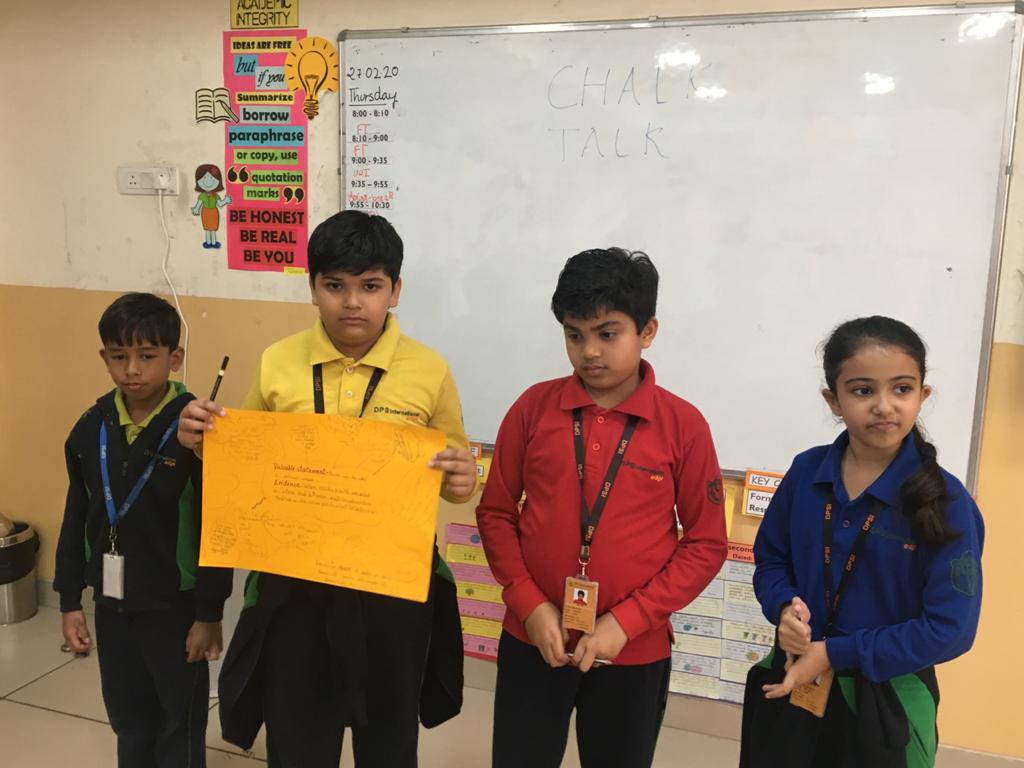
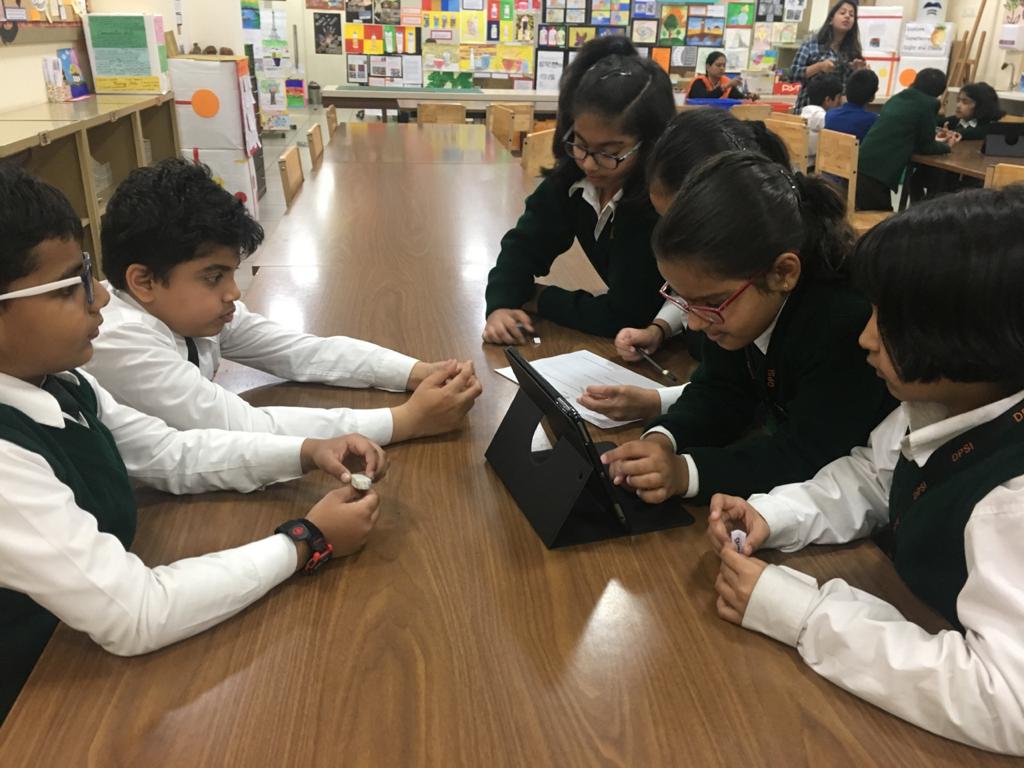
Students continued with their lessons on waste management a with a visit to the sewage treatment plant in school and recorded their experience using procedural writing or a flow chart. This was followed by a group activity where they visited different areas of the school as part of small groups. They investigated and collected evidence (pictures) of various types of waste created in these places. They then analysed the pictures using a visual thinking routine of their choice. Students did a chalk talk activity where they analysed a valuable statement from stories read earlier and formed their opinion of the same. In the waste management lesson, they finished off by knowing about types of waste generated and how they can be managed. They participated in a group activity where they were given 2-3 scenarios to analyse how best waste can be managed.

Mathematics
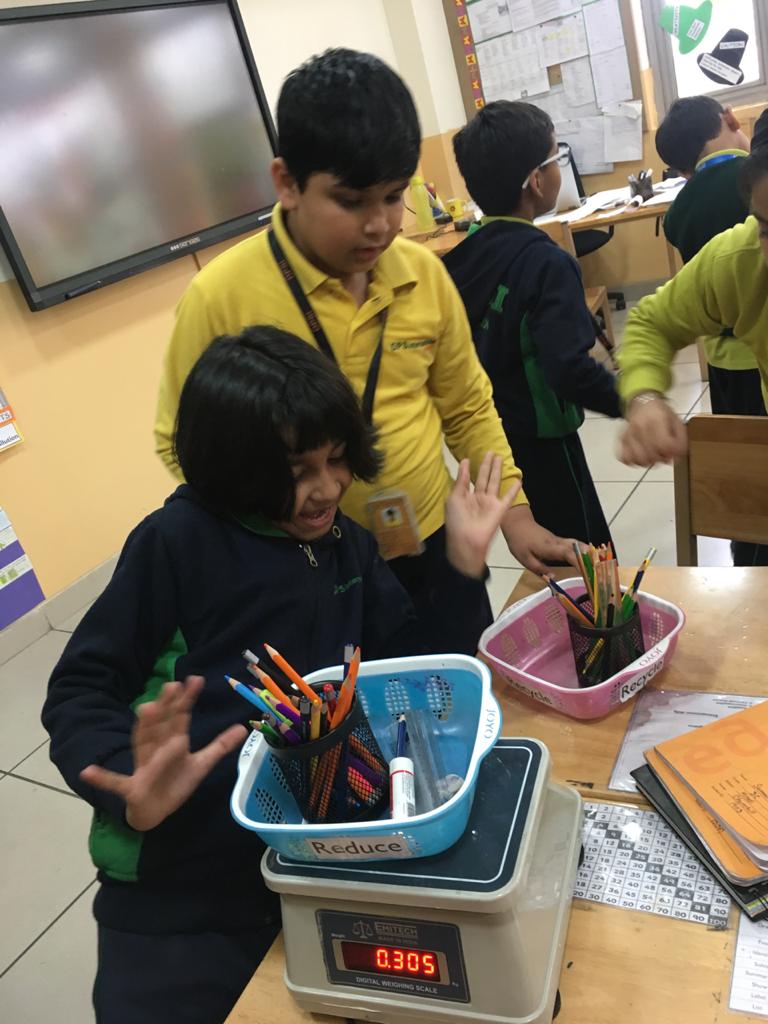
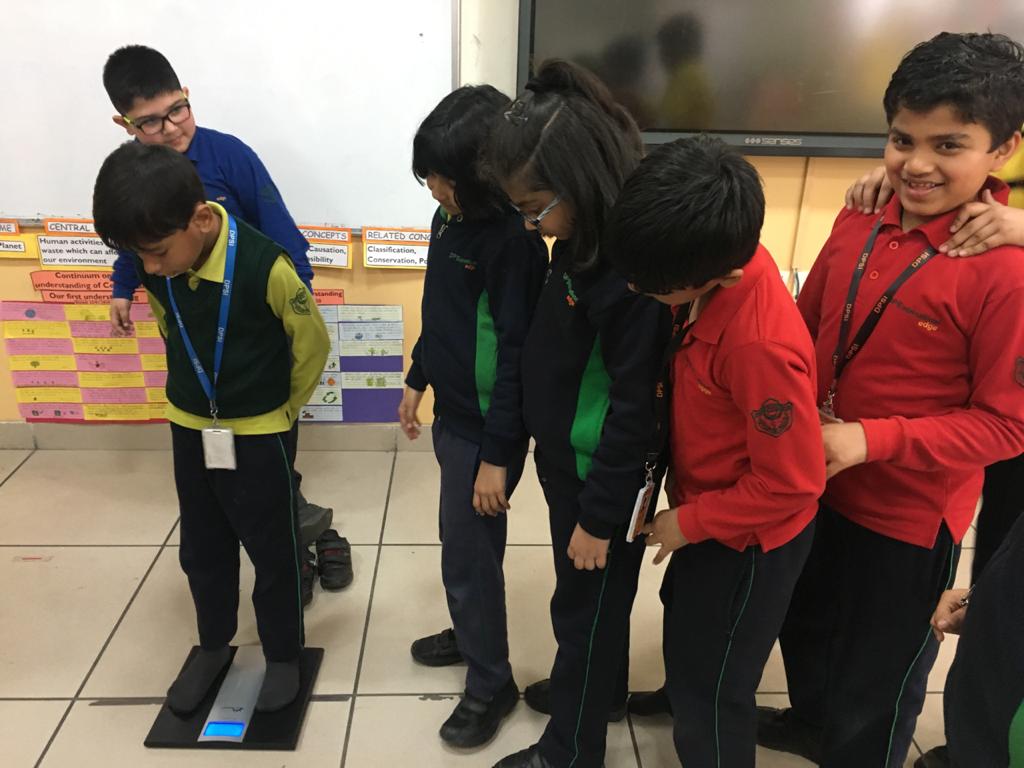
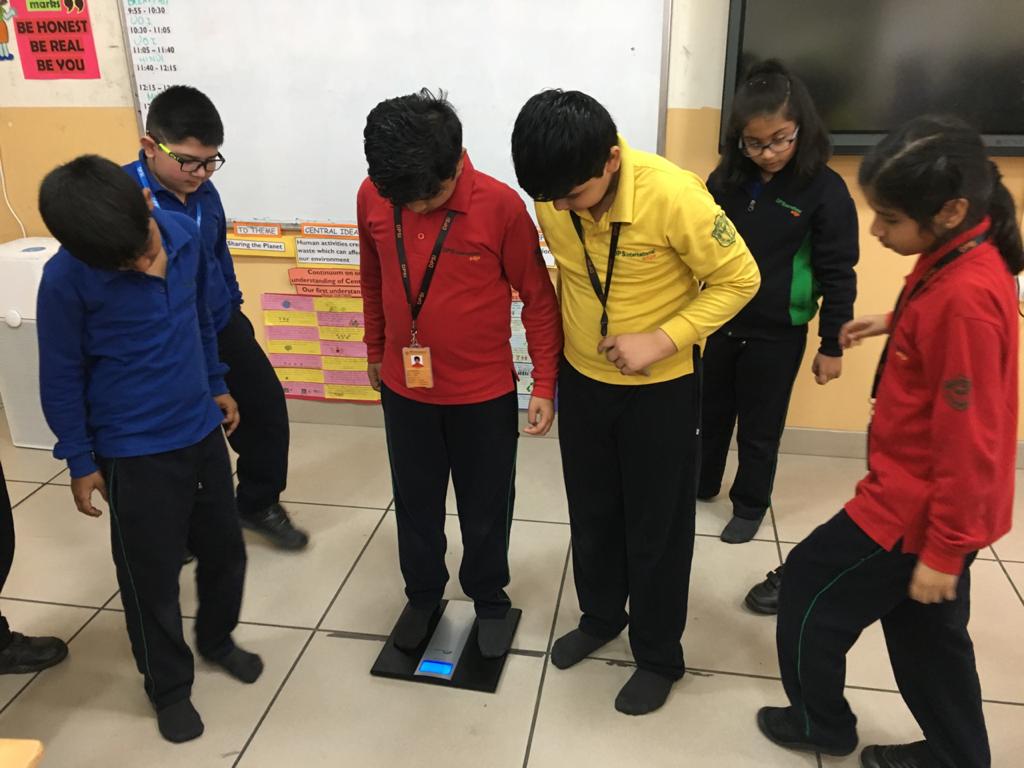
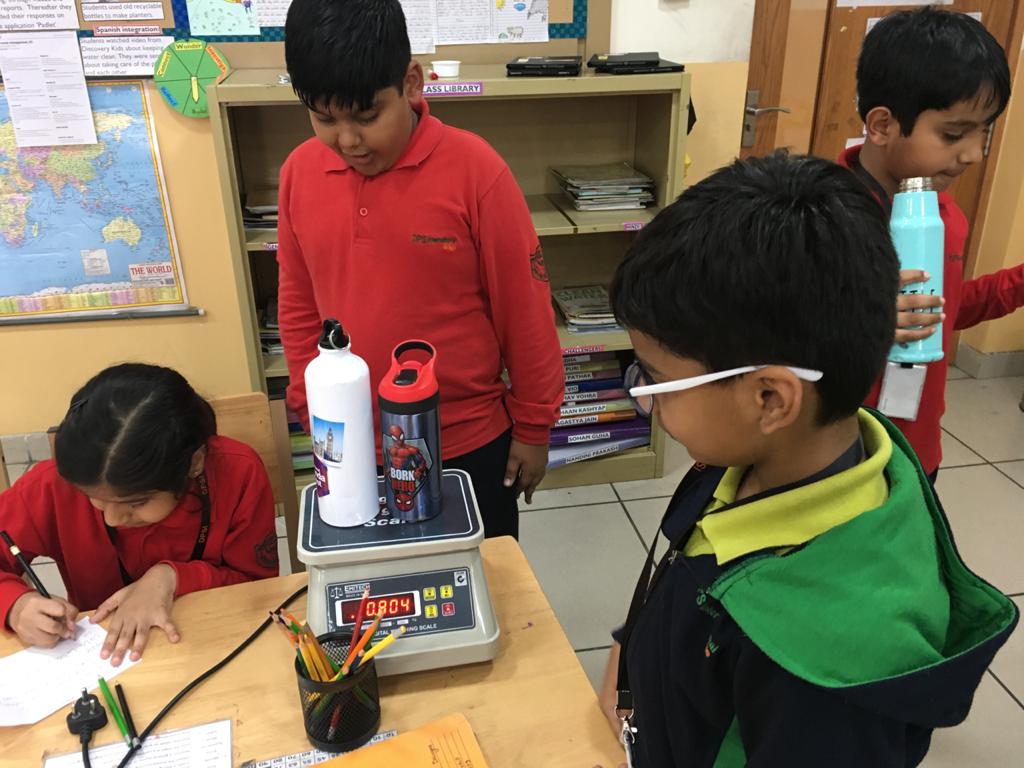
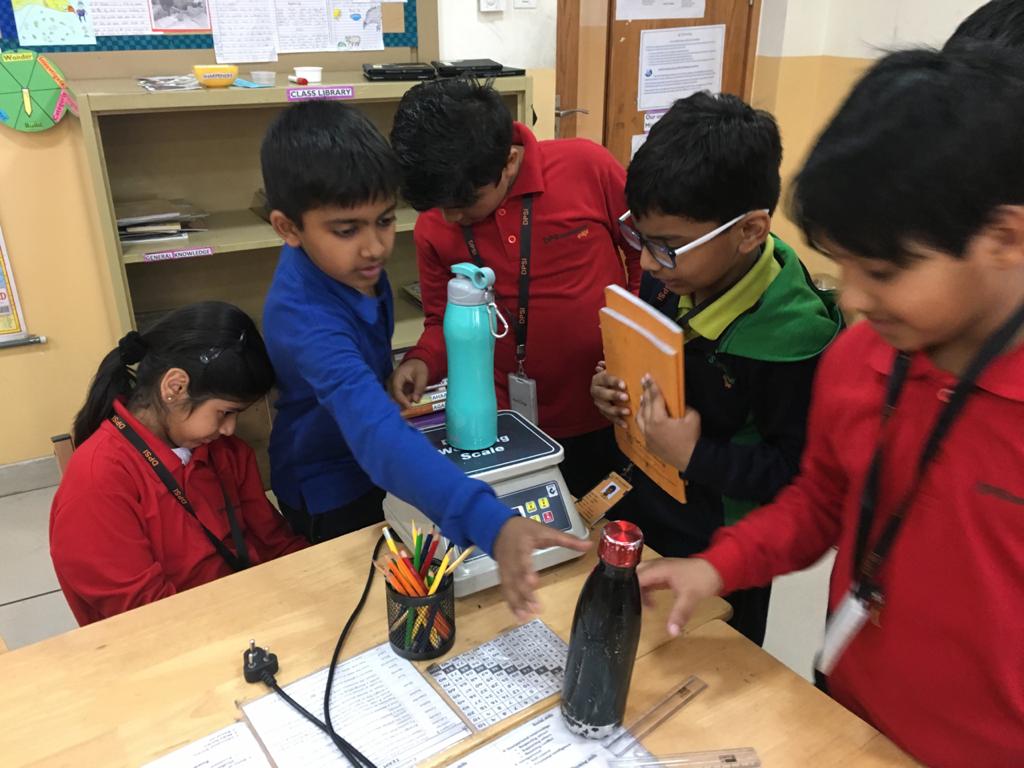
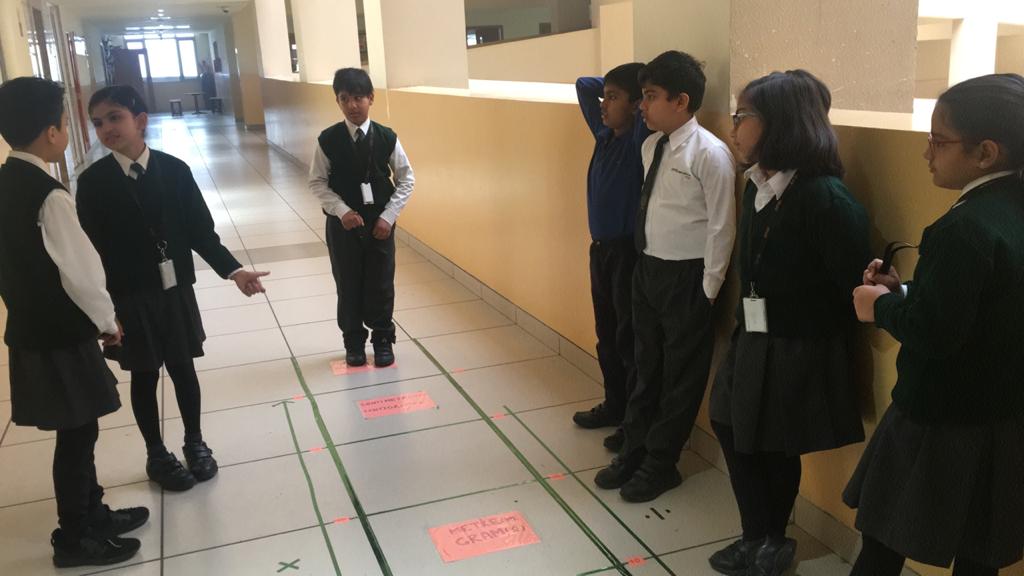
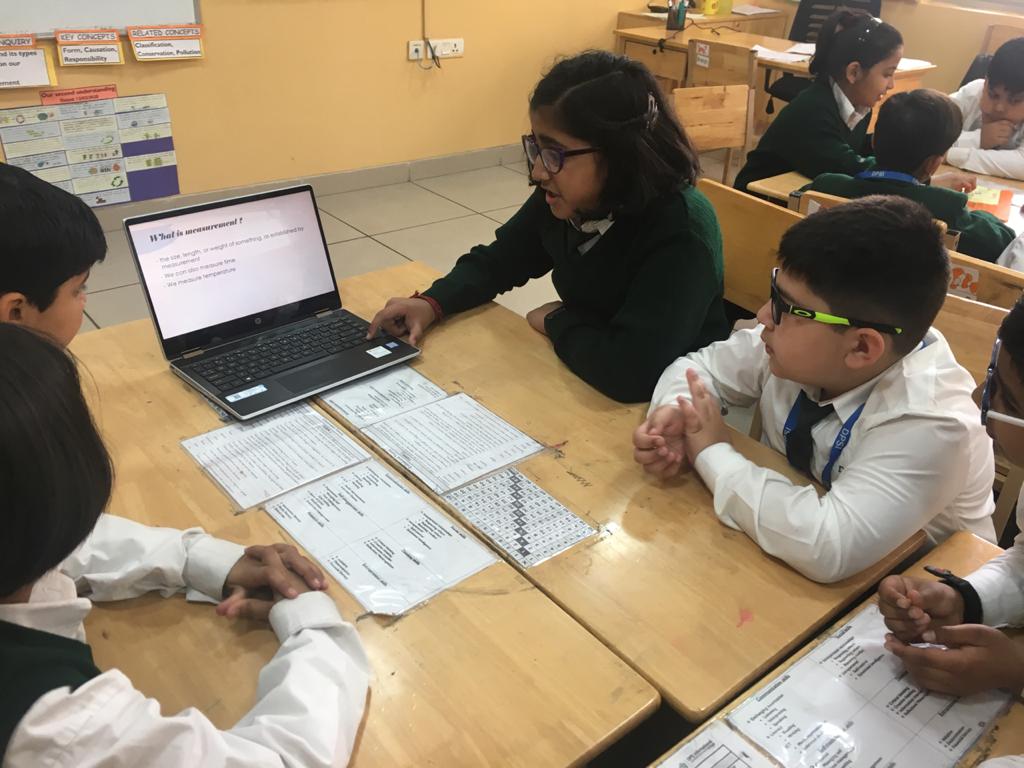
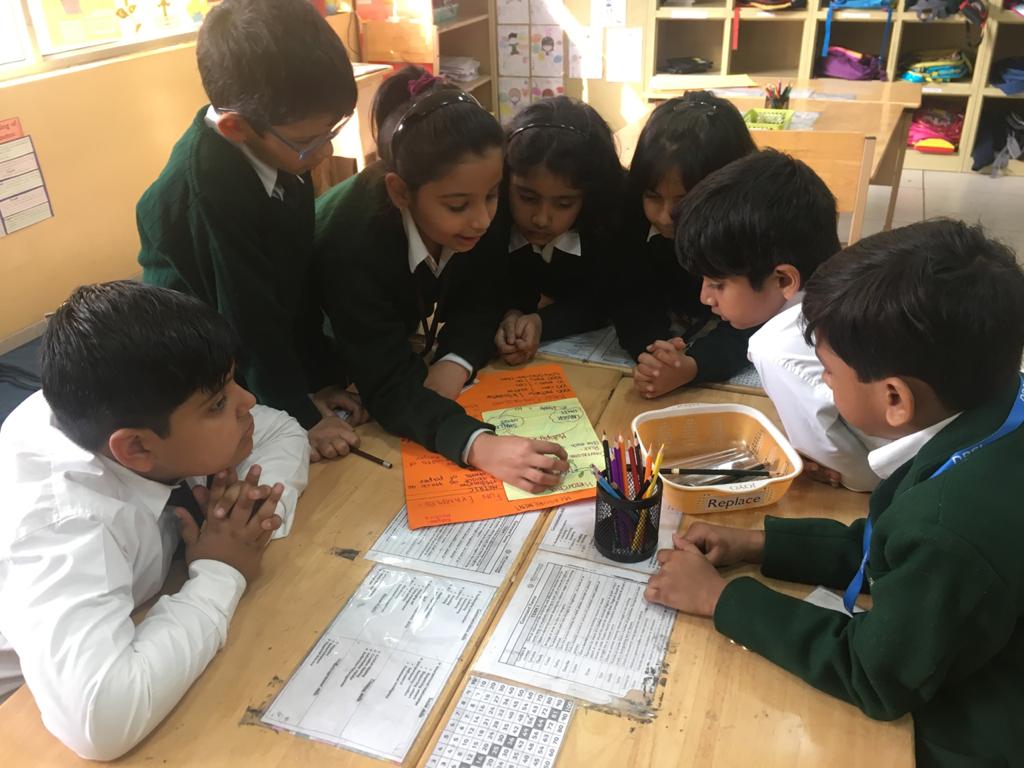
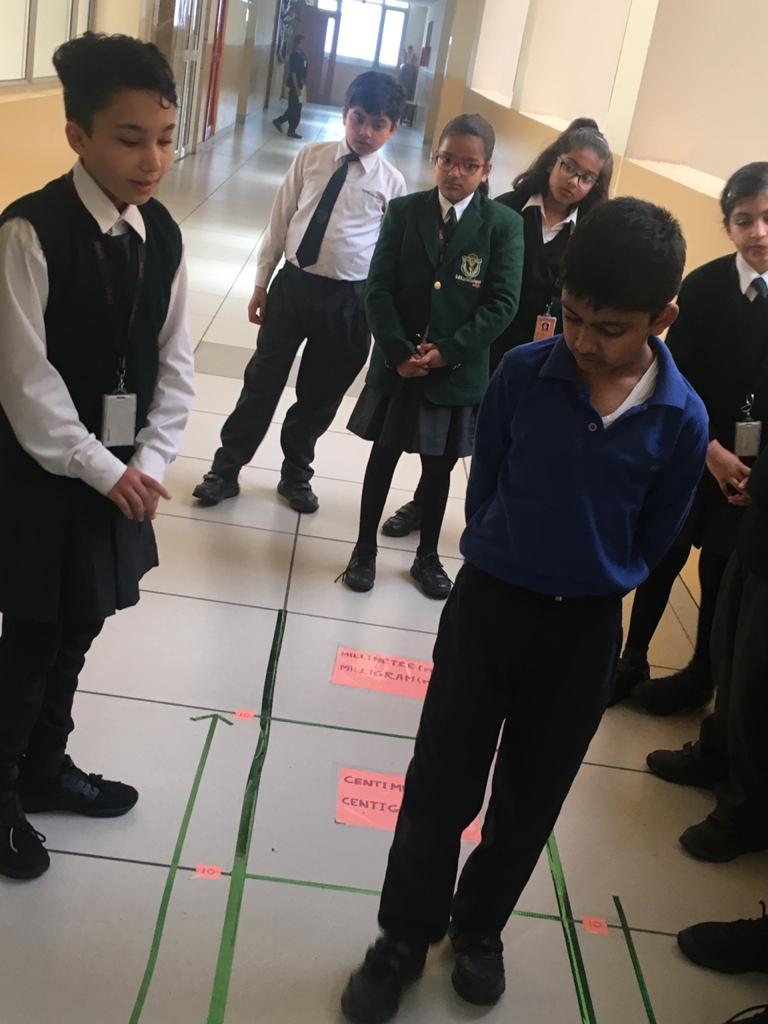
Students were introduced to weight measurement through inquiry activity. They had to guess the weight of various objects presented to them which was followed by the actual weighing of the same articles. They learned about units of weight and their application in real life scenarios. Students understood conversion of units from their mentors from Grade 4. They explored online resources and read fact sheets to further understand the concept. Three stations were set up in class for different concepts (number operations, measurement, data handling/bar graph). Students were encouraged to visit each of them to reinforce or display their understanding while challenging themselves. During practice sessions students worked on unit conversion and word problems related to measurement of weight
English
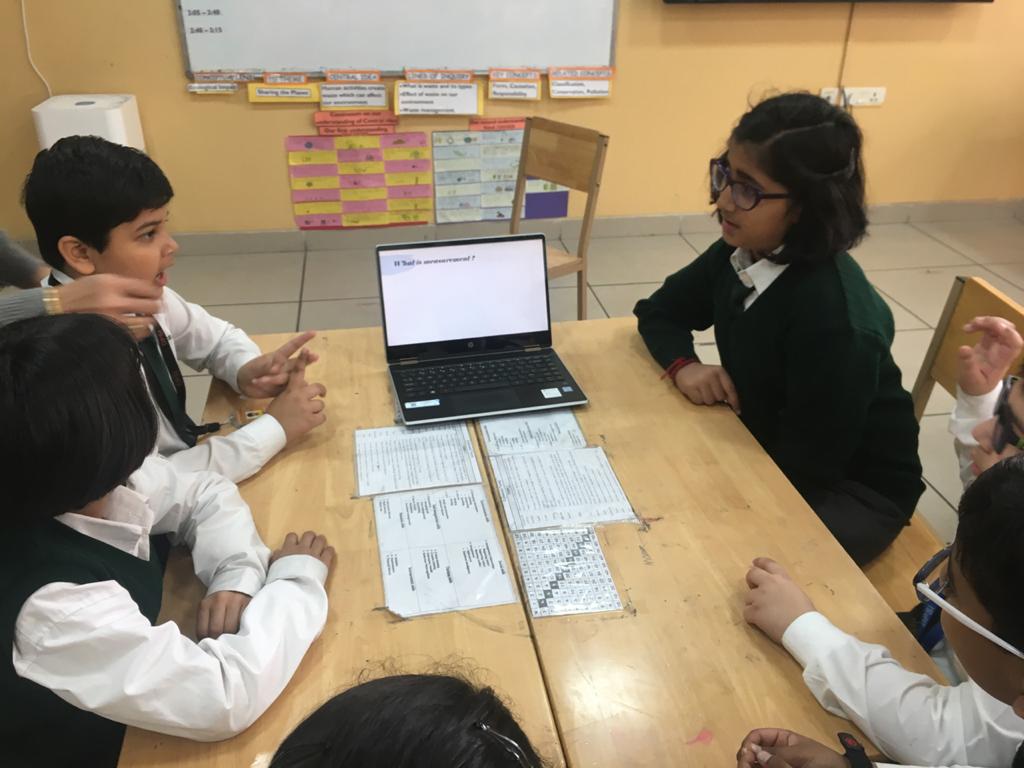
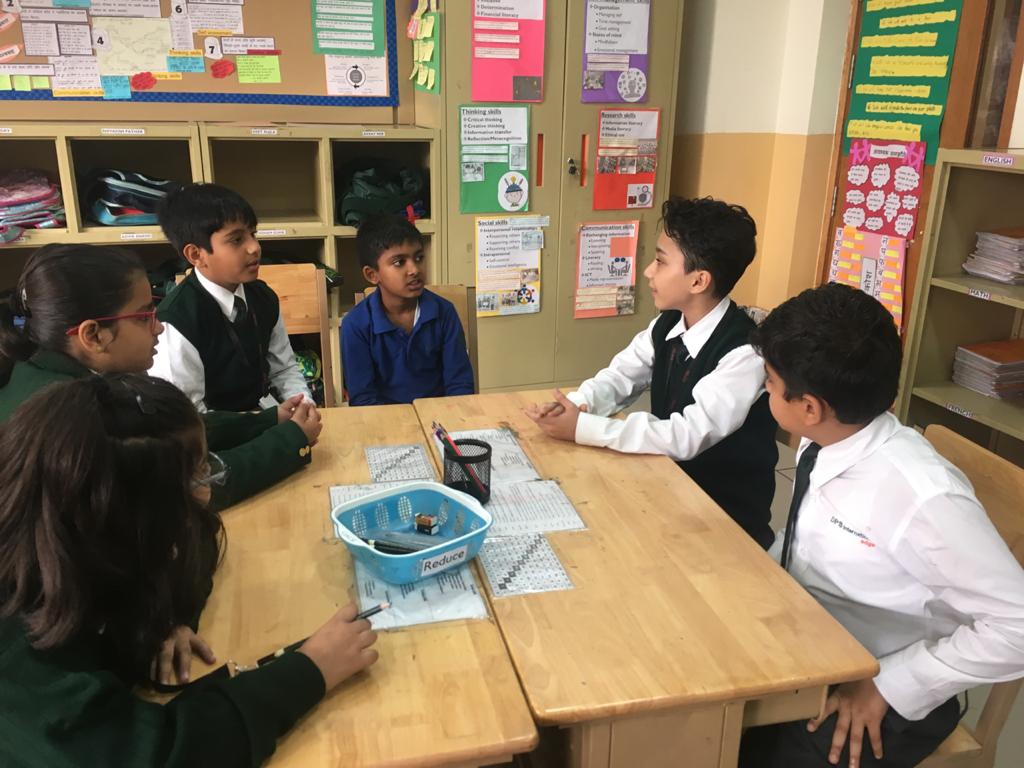
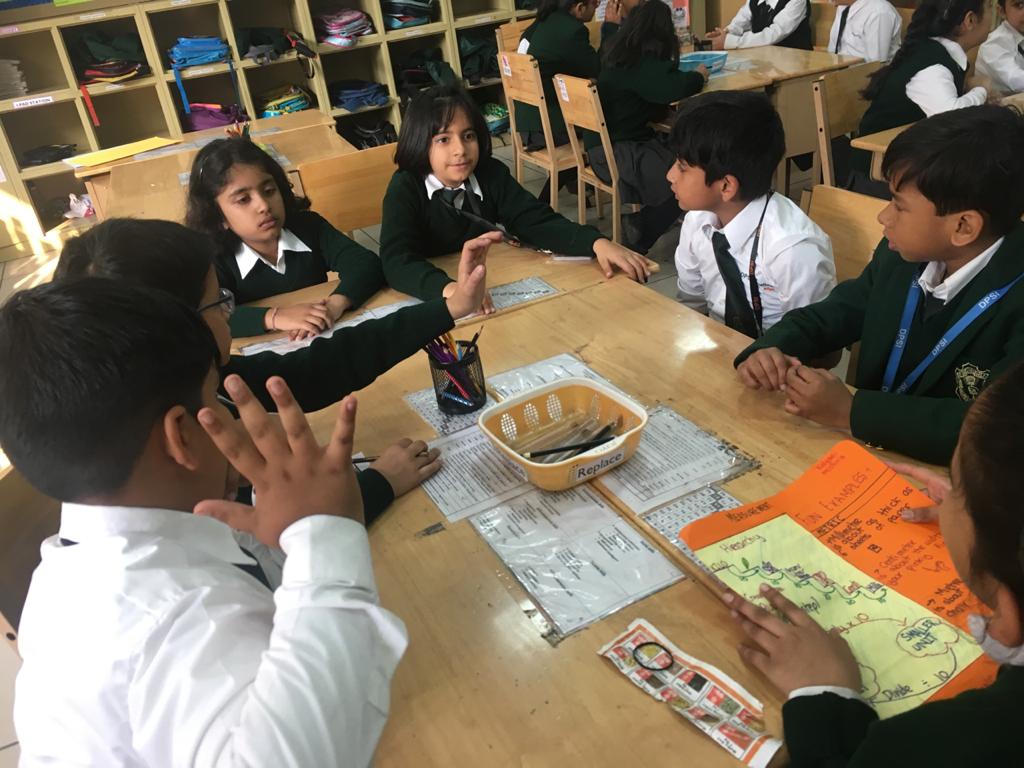
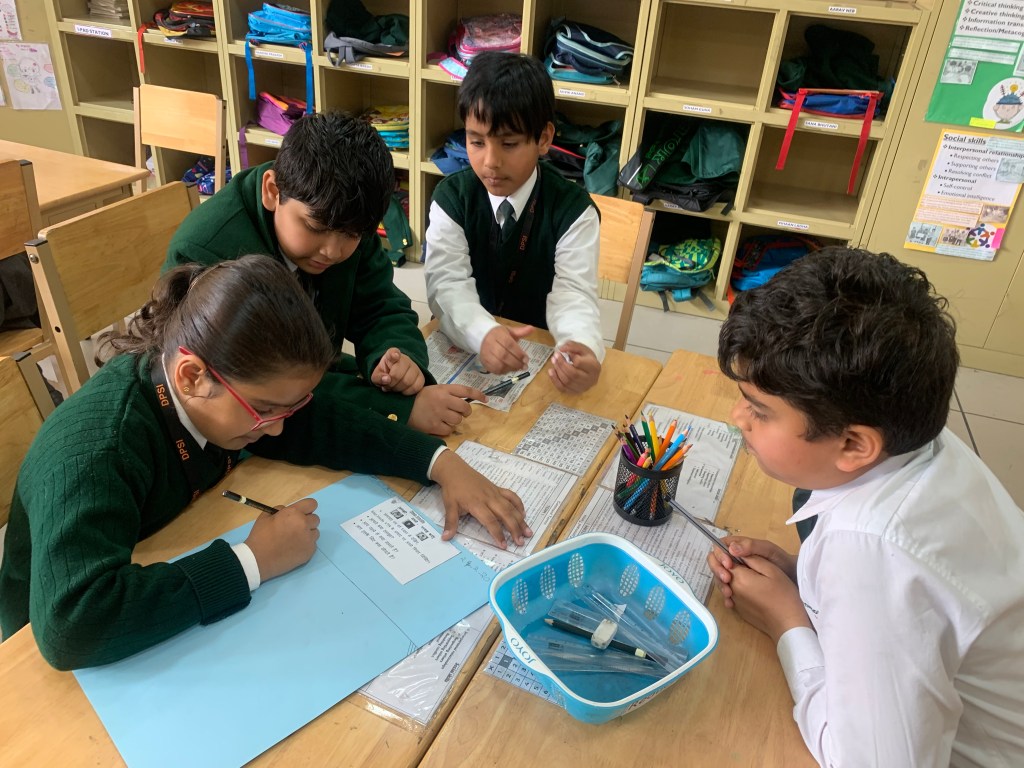
Students worked on their creative thinking where they learned to identify valuable statements from the article/story read to them while backing it with evidence. They honed their understanding of spell-bee words through a peer assessment activity. In tandem with their UOI waste management lesson, they learned co-construction of rubric and paragraph writing. For a similar unit integration lesson, they created “valuable statement” while reading the waste management article with the underlying thought “‘Waste for one person is necessity for another person”. There was a group activity where each batch was provided with 2-3 scenarios related to waste/3Rs. Students analysed and discussed each scenario within their groups. A summative assessment for articles and pronouns as well as spelling was taken.
Hindi
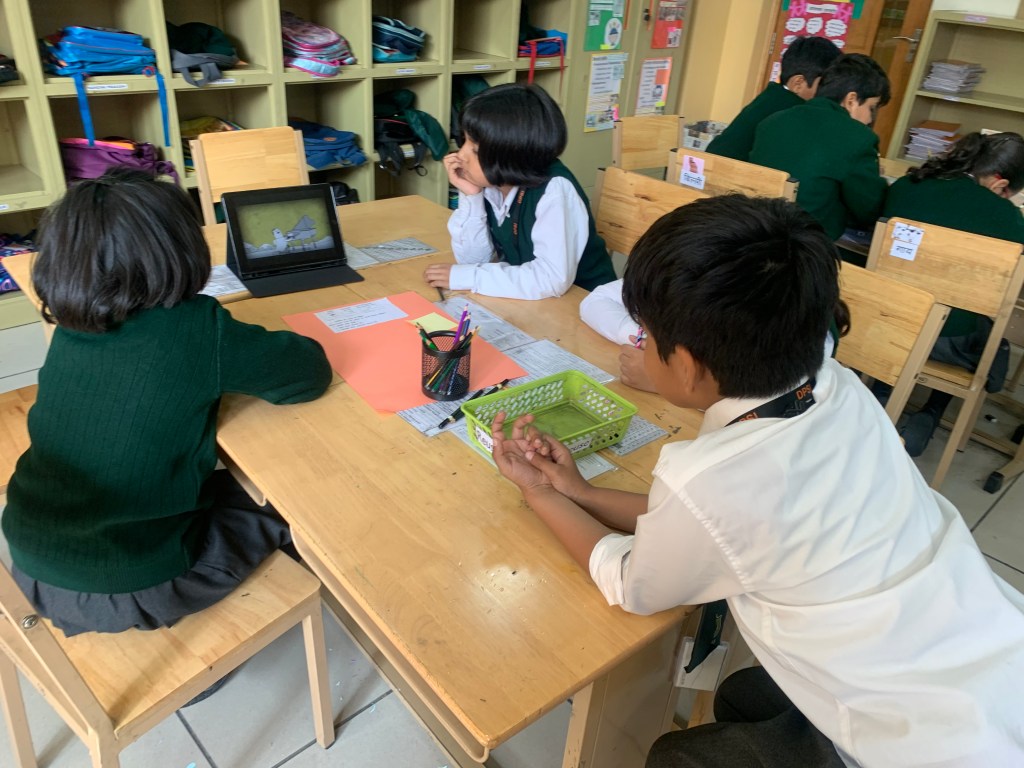
For Hindi, the students enhanced their listening skills while concentrating on the story “Abha ka Janamdin” and narrated the same to each other to improve their speaking skills. They encouraged their peers to hone their reading skills by viewing the same. They also identified words with different matras. To improve their writing skills, some wrote words from the story while others made sentences using those words. Some chose to use visual imagery. Students enacted the Hindi story “Billi ke Bachche” through role play.

Hindi ab-initio
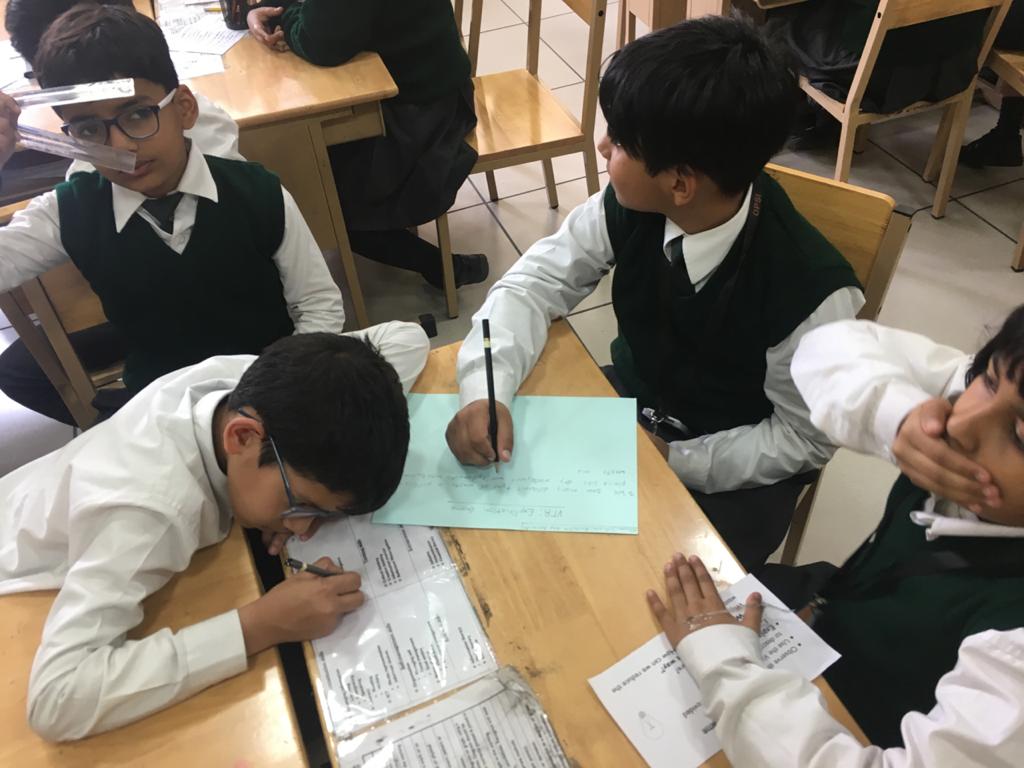
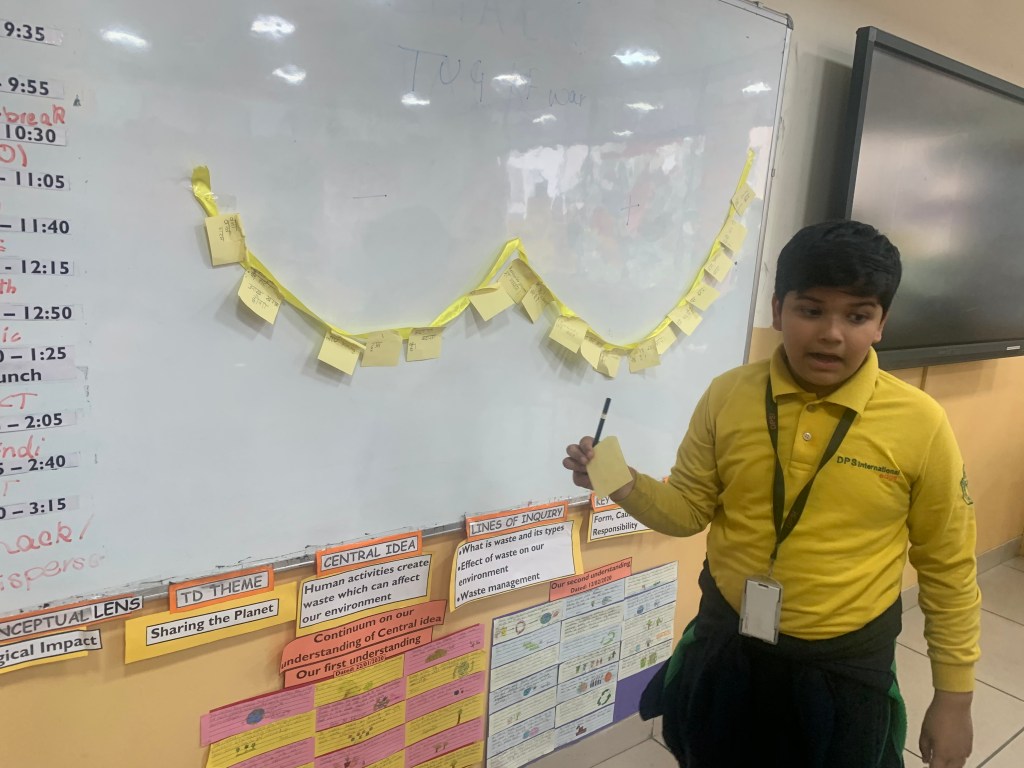
During their Hindi lesson, students shared their views on the topic ‘मानव ने क्या बनाया और क्या बिगाड़ा’ through VTR –Tug of war. They revisited the concept ‘विराम चिह्न’ (punctuation marks) in grammar and enhanced their writing skills. Their knowledge was also assessed with their ability for sentences construction.
French
Learners were given the choice to decide on tasks for their portfolio of the Student Led Conference and Grade level assembly. They voiced their opinions and took ownership[KS1] . They enhanced their thinking skills (application), communication skills (listening and speaking) and social skills (supporting and cooperating with peers).
Spanish
Students read a story called “La Costa” which means The Coast and identified nouns in their singular and plural forms. This activity helped them build their reading skills by making connections with and beyond the text. Students also continued to give their inputs while working on their SLC portfolios.
Library
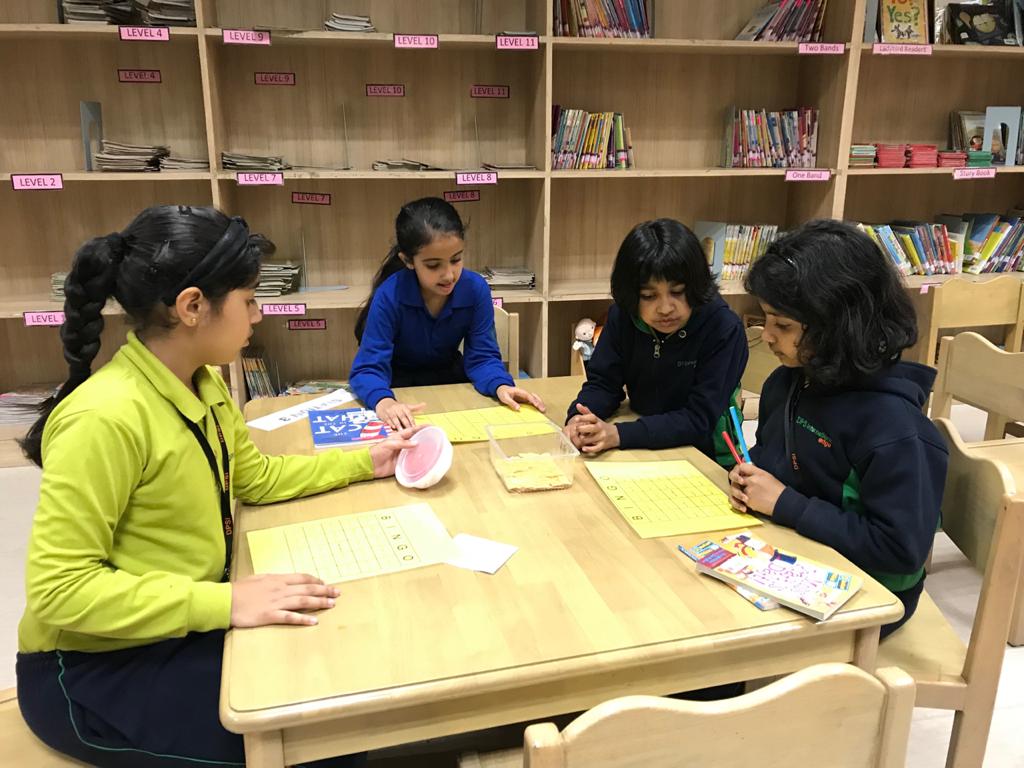
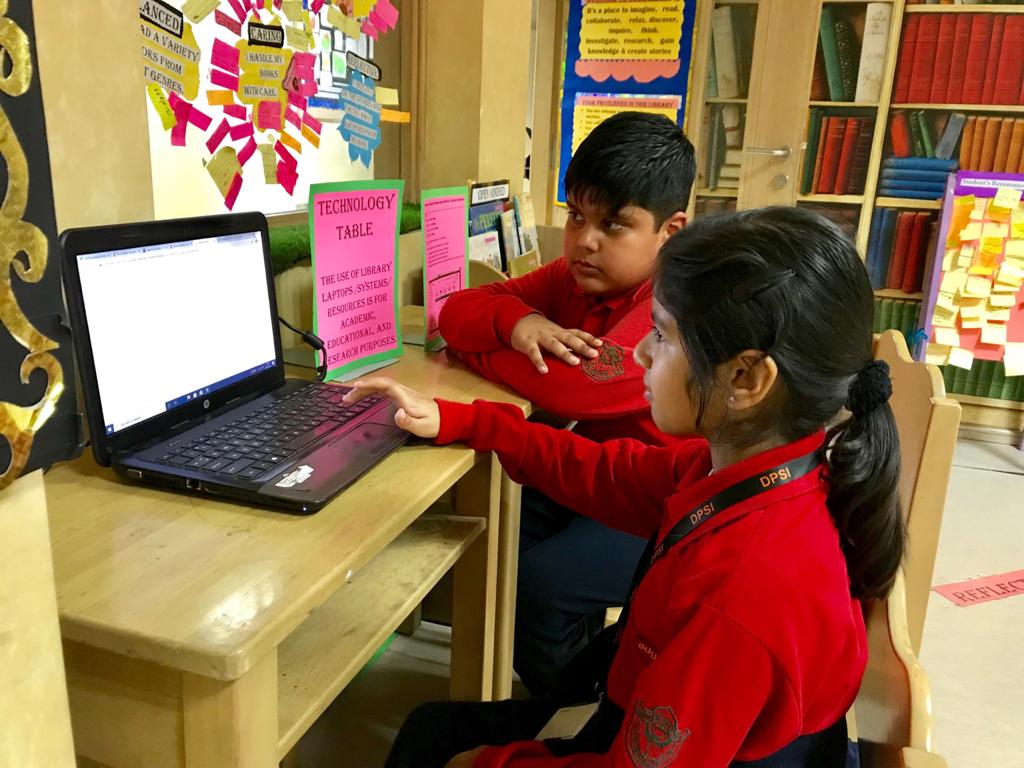
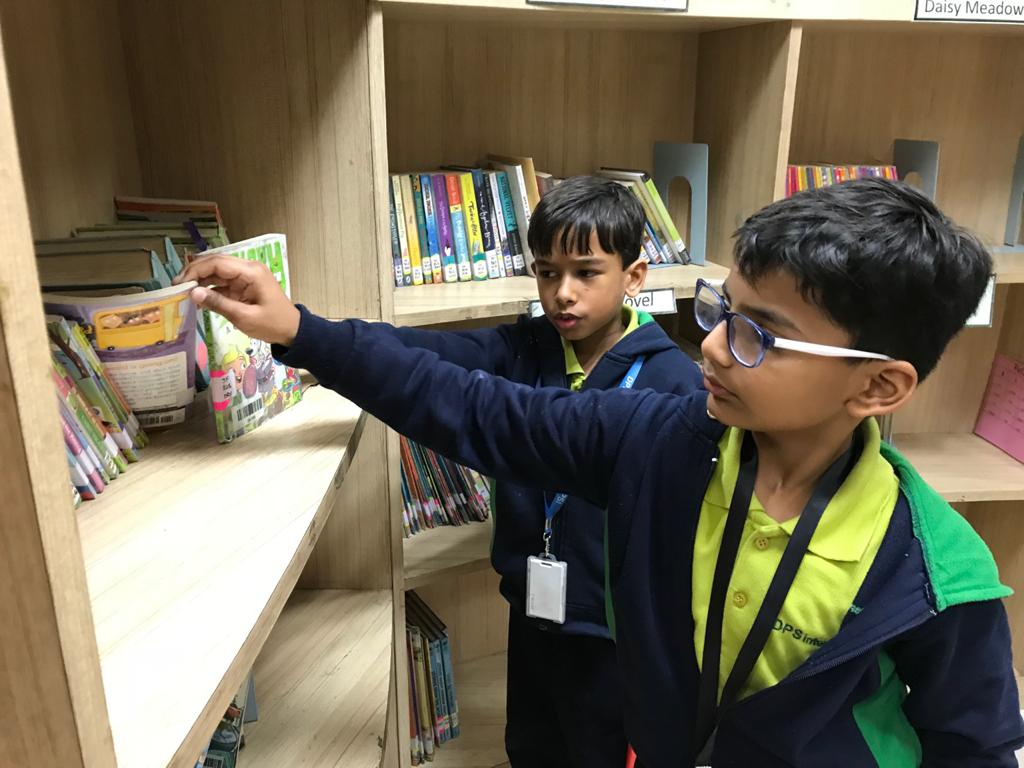
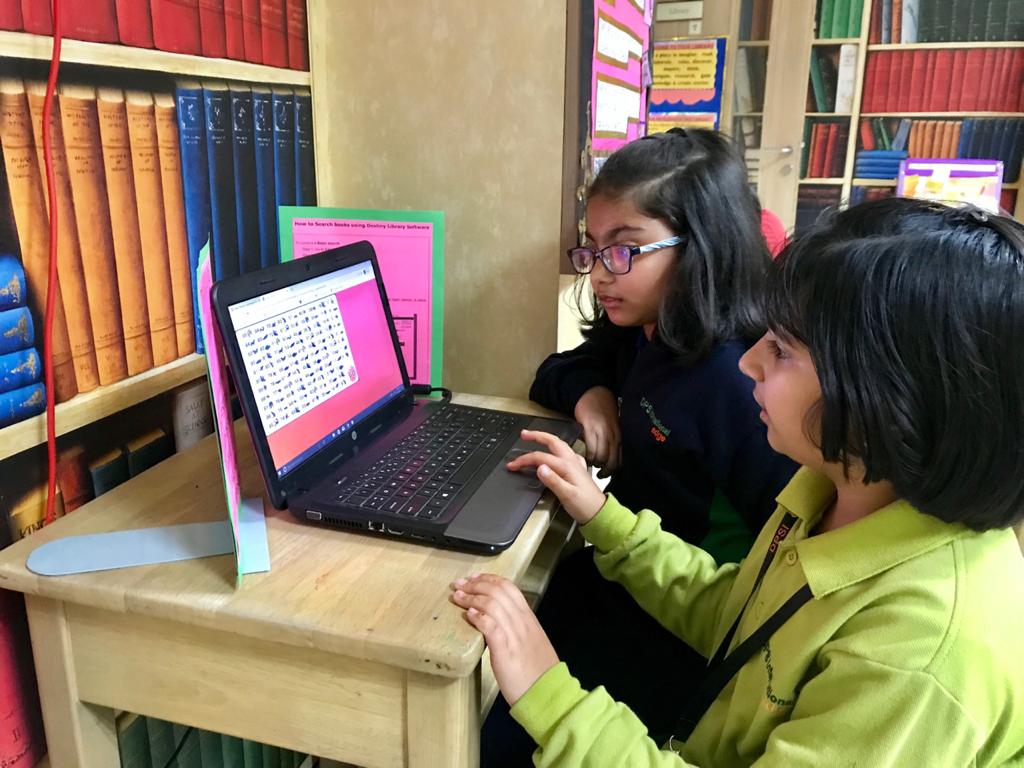
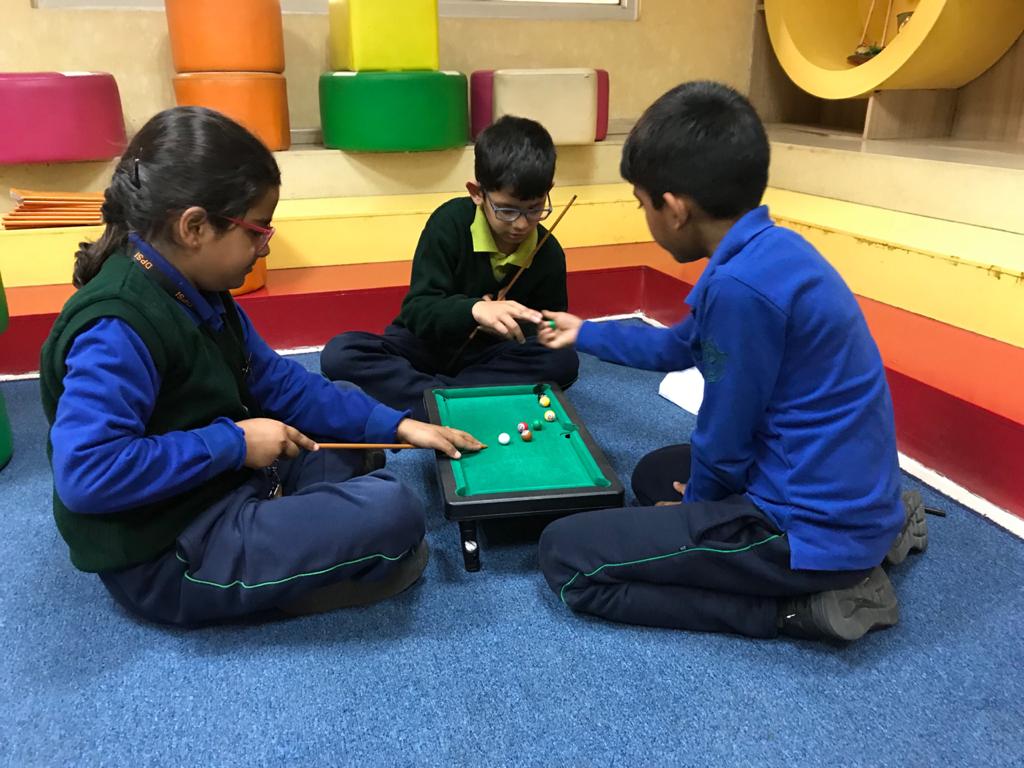
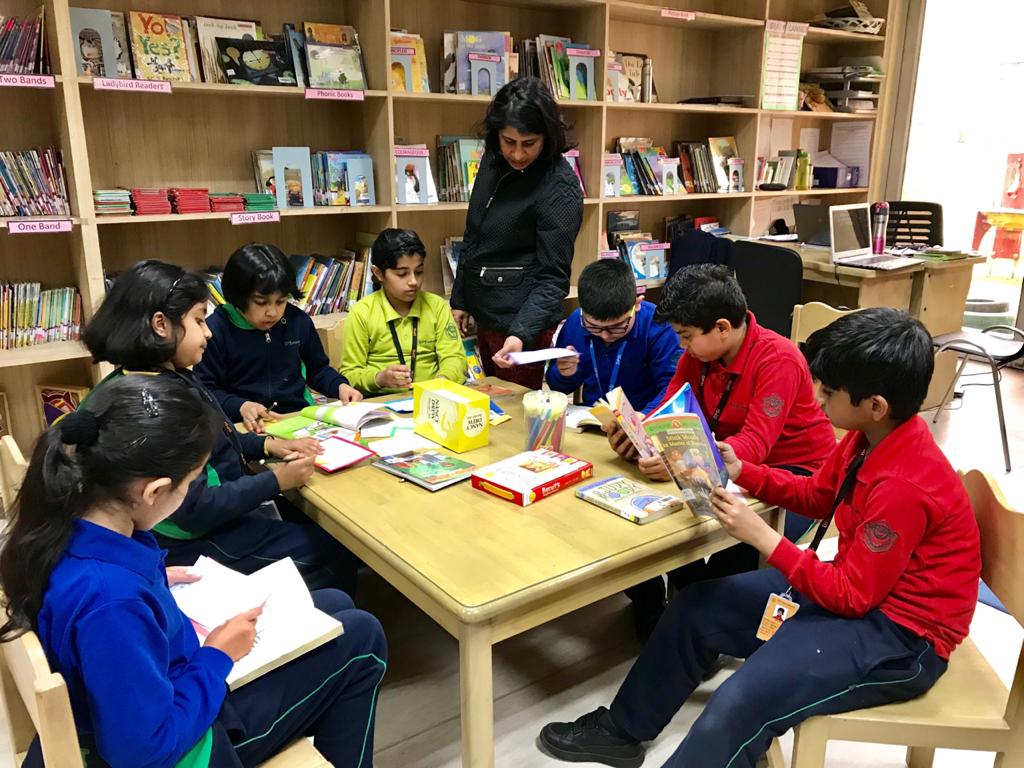
Students actively involved themselves in various activities like library scavenger hunt and part of speech bingo games during their library time. The student’s reading log was also assessed and counted this week to check their understanding on the books that were read and logged by them. Students were excited and looked forward to be make it to the year end crowned owl party.
PHE
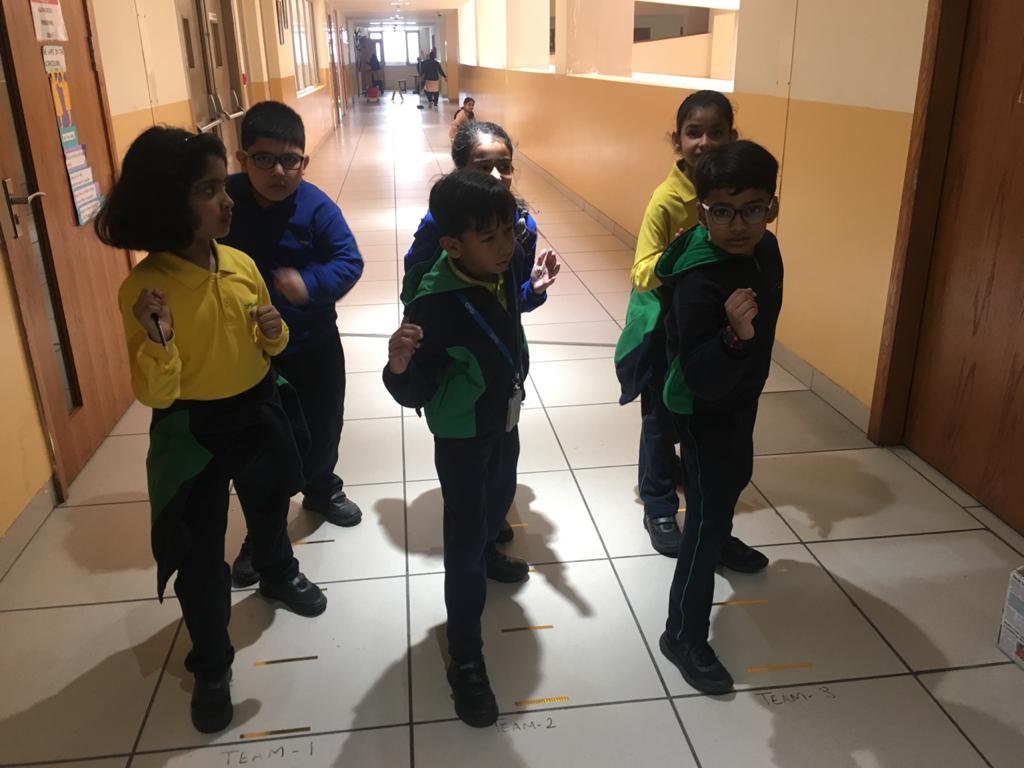
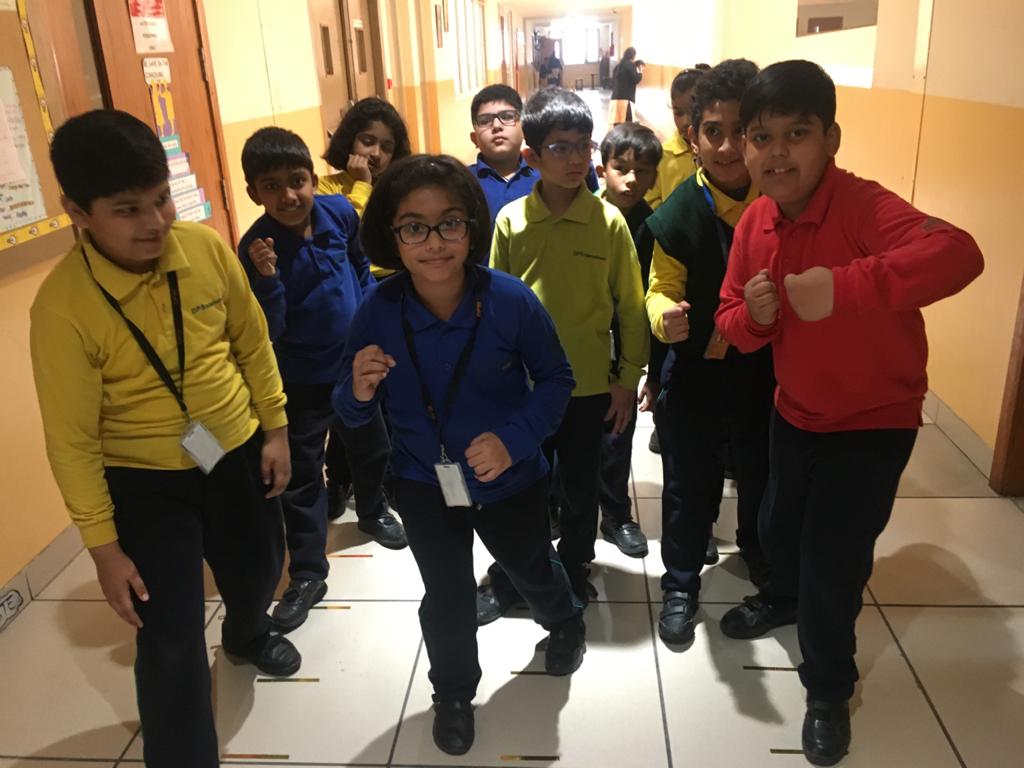
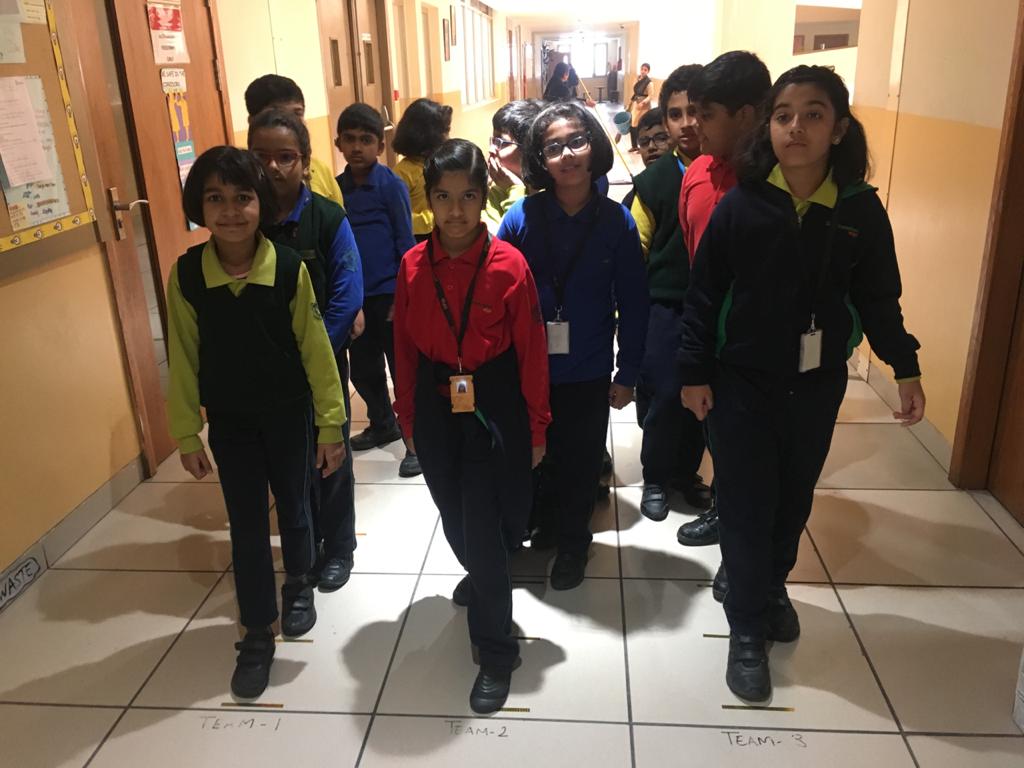
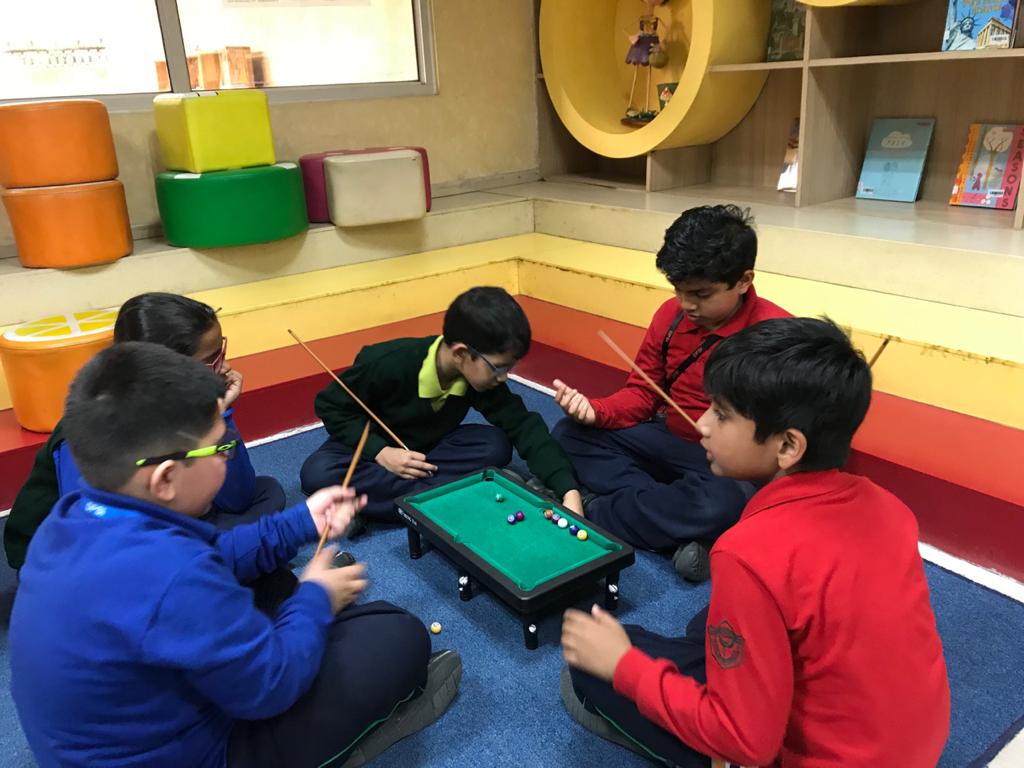
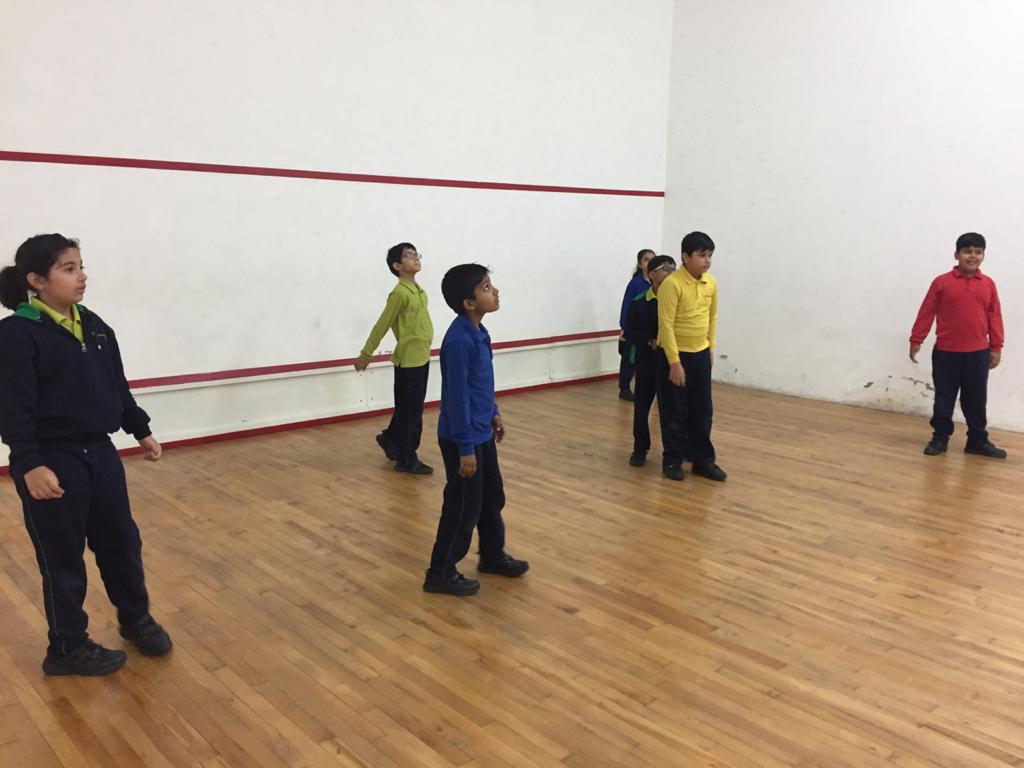
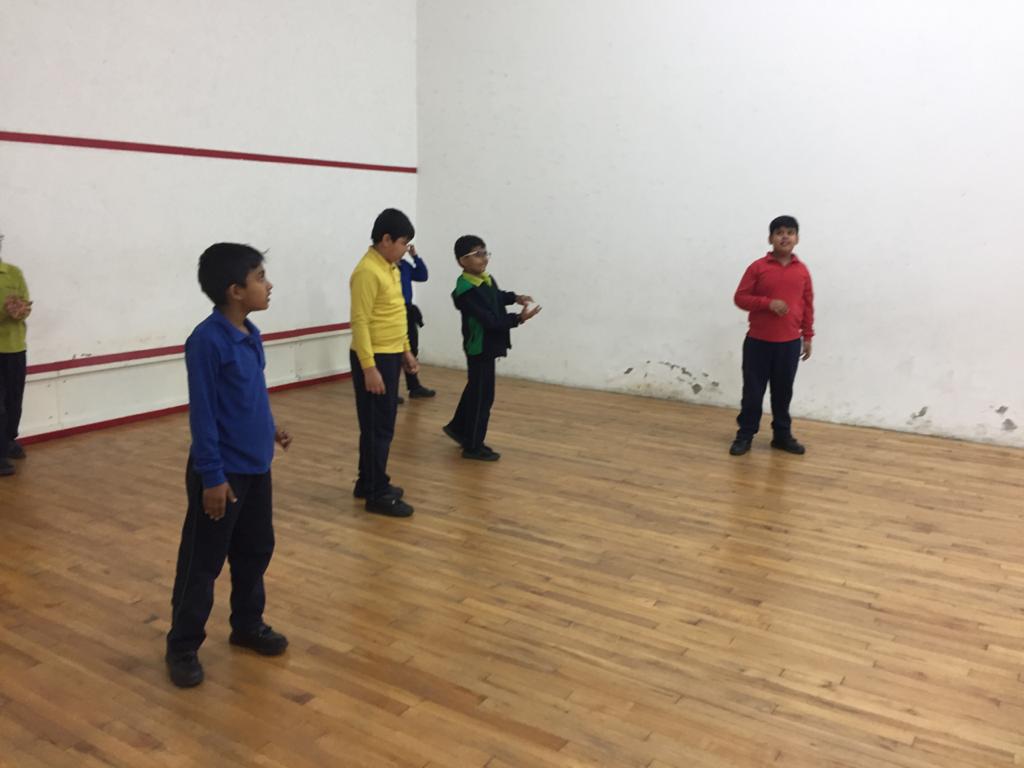
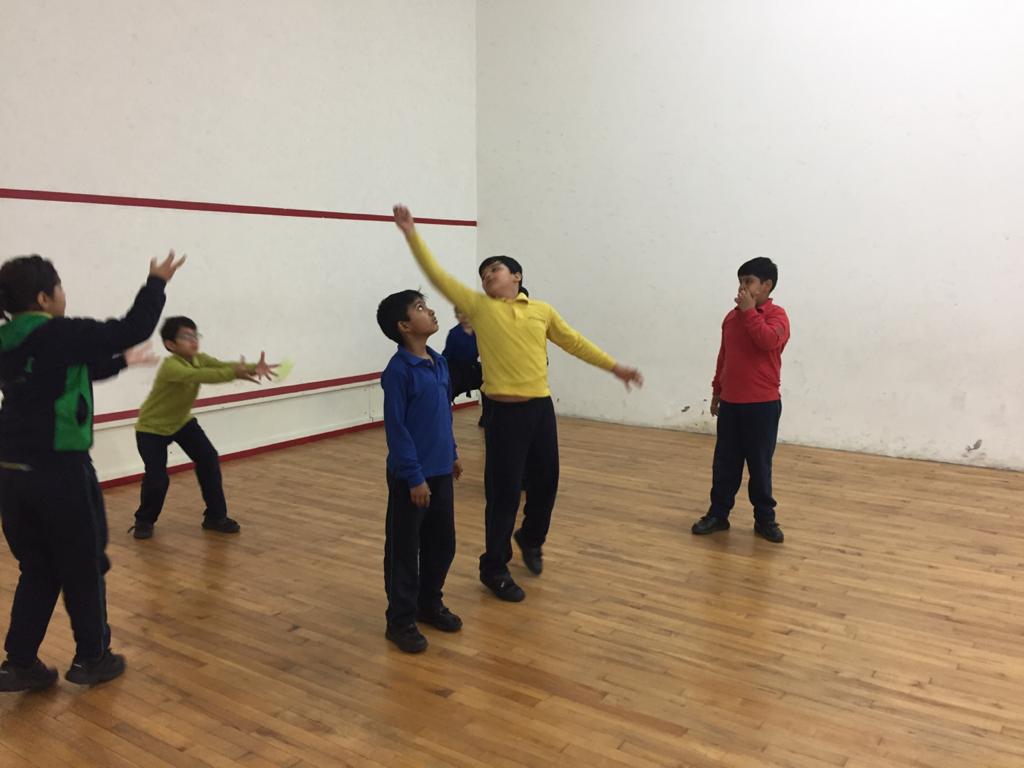
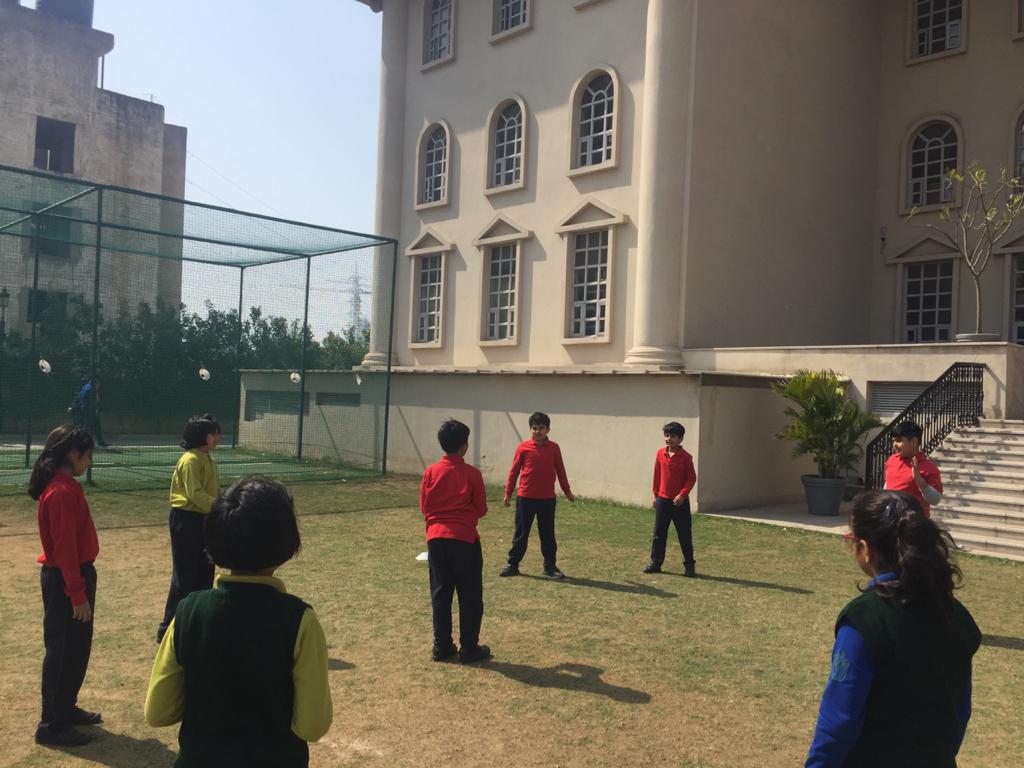
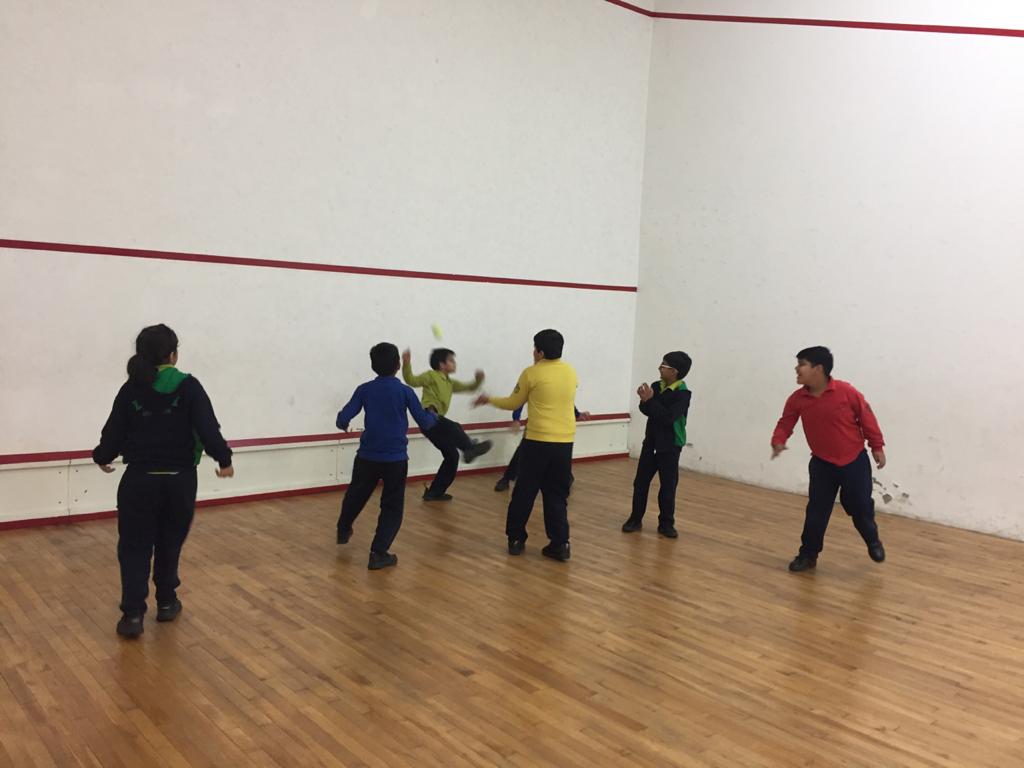
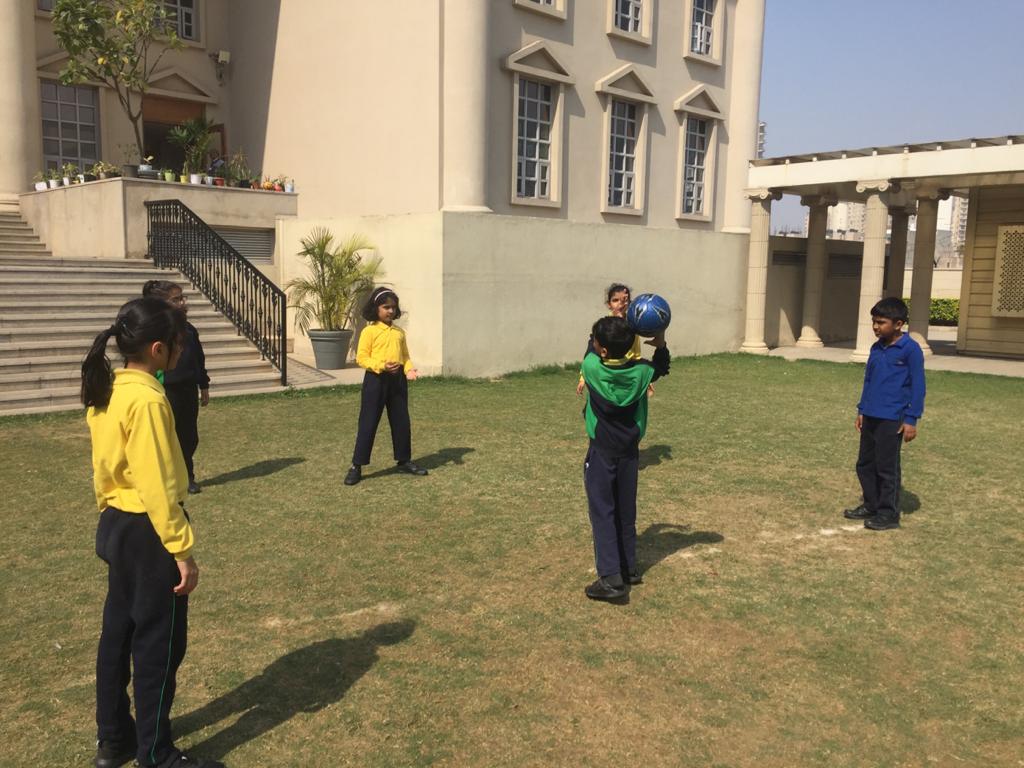
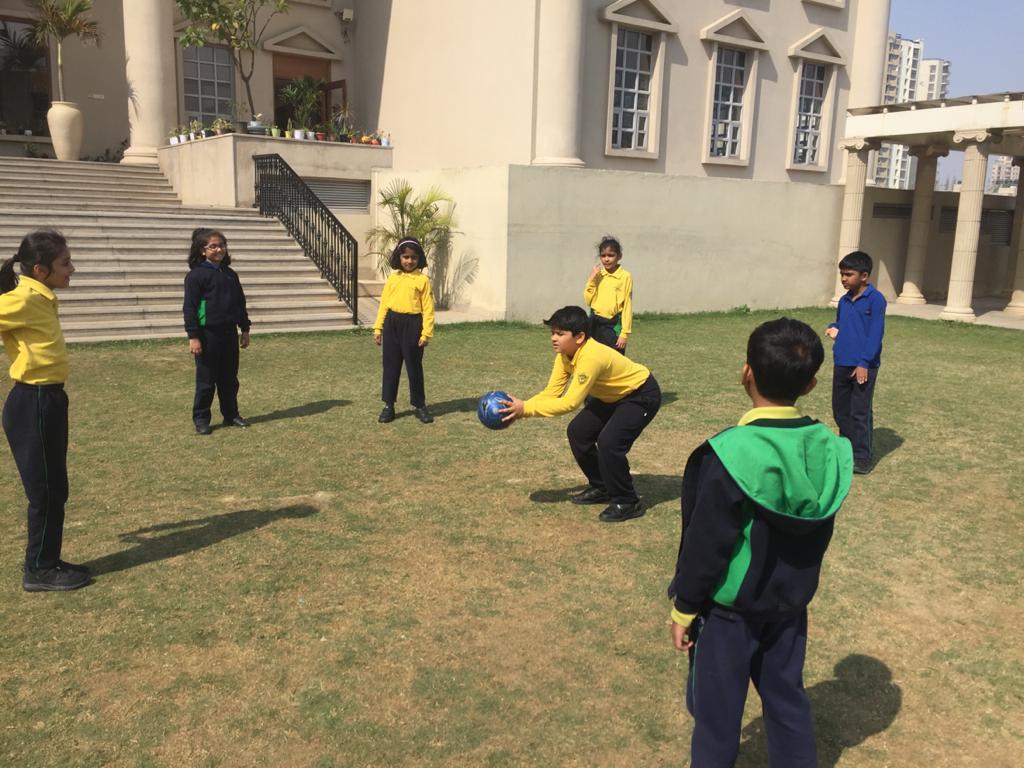
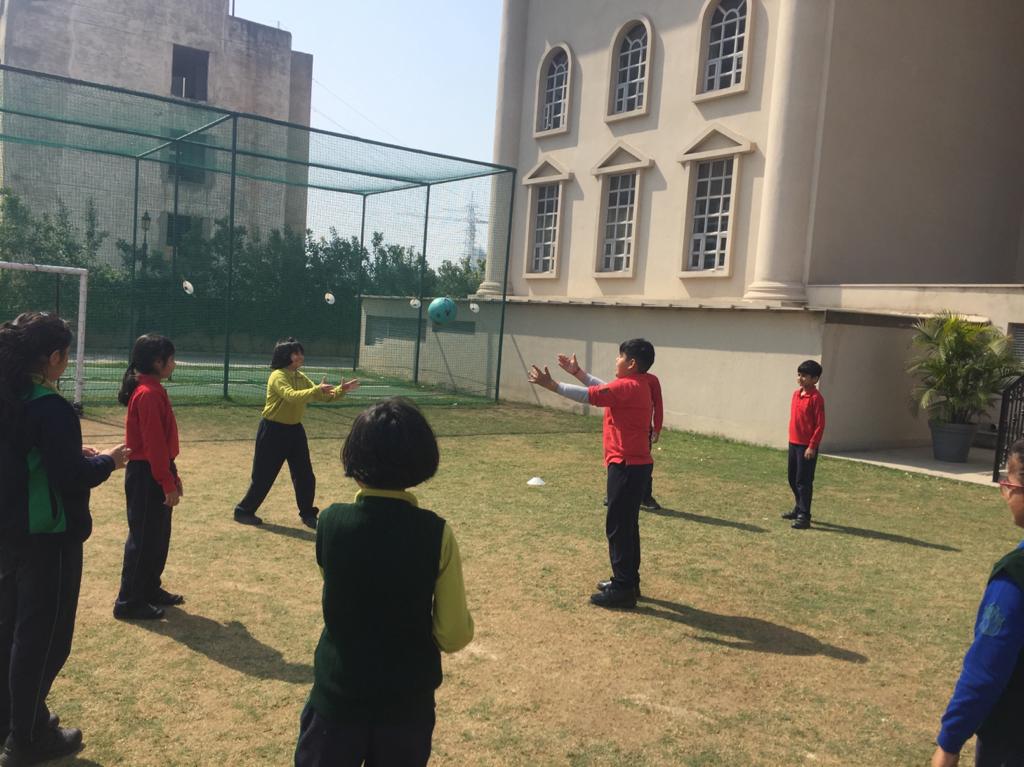
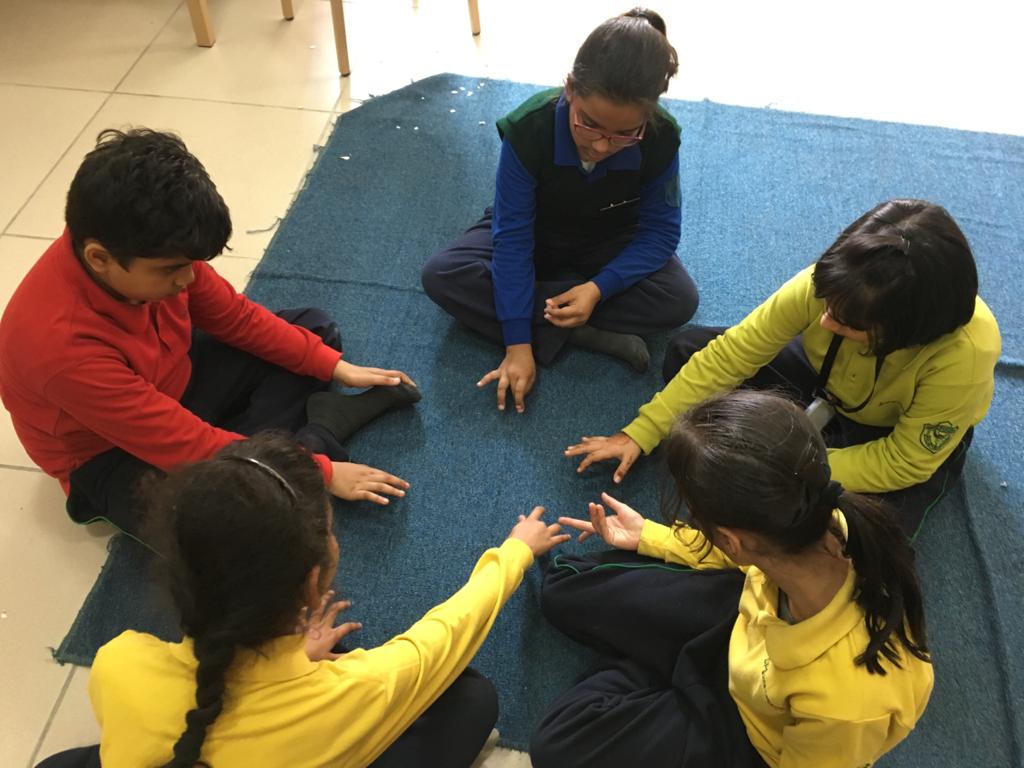
Students understood and mastered the techniques of throwing and catching and were able to perform the necessary steps for the same. They played 6-A-Side handball match and made different formations for ‘STONE-PAPER-SCISSORS’ using hula hoops.
Art
Students discussed the different types of waste materials that can be used to create artwork. They then collected various plastic bottles and have started painting them to convert them into planters. This activity gave them the opportunity to develop their painting skills as they were exposed to acrylic paints for the first time.


Dance
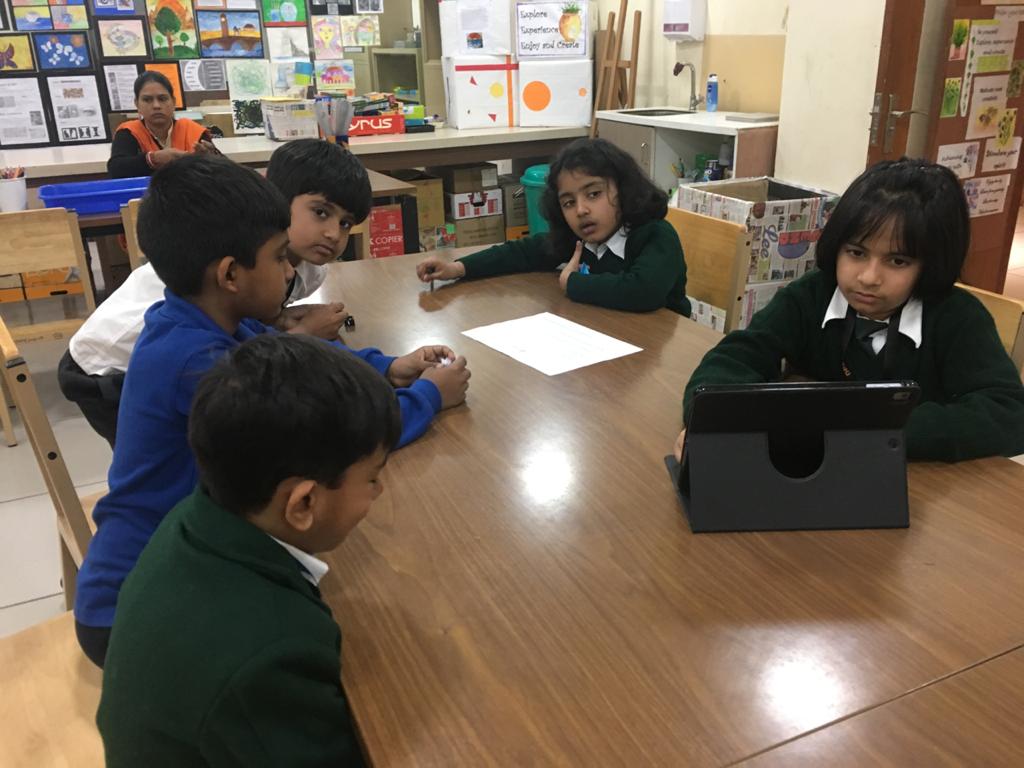
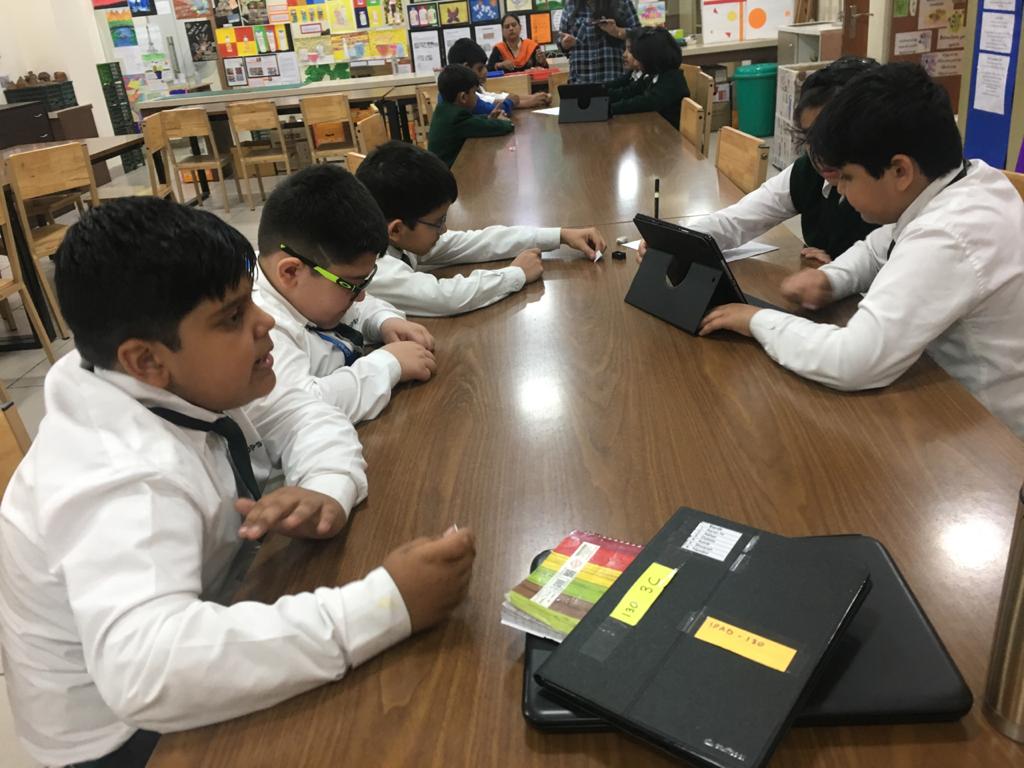
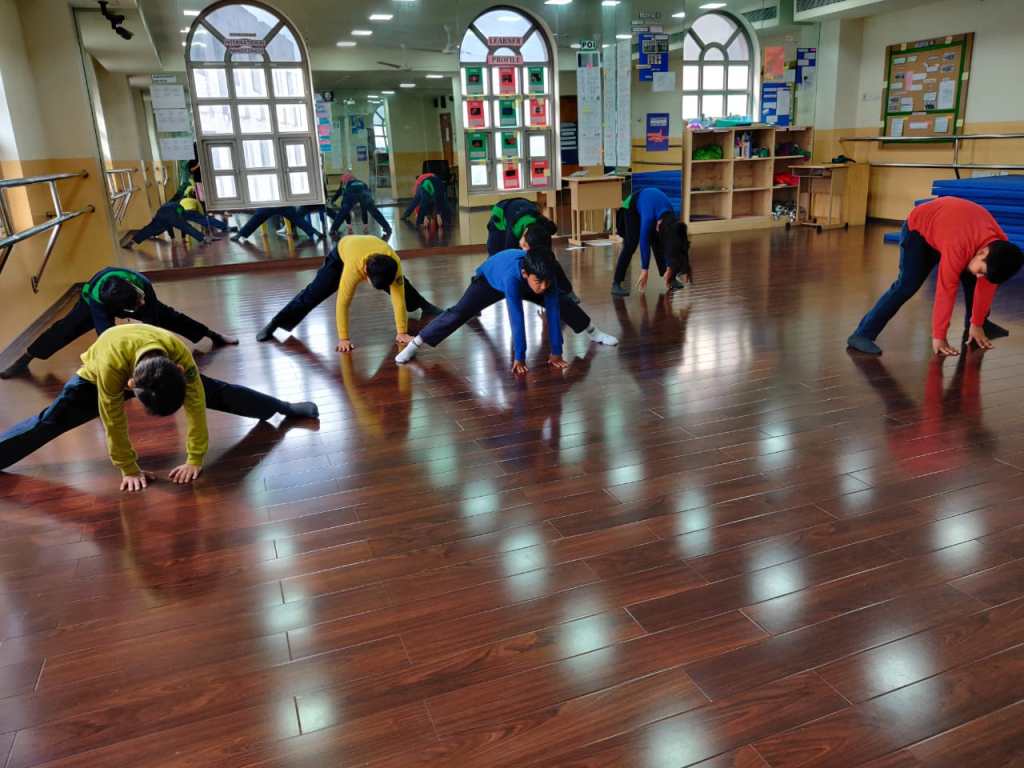
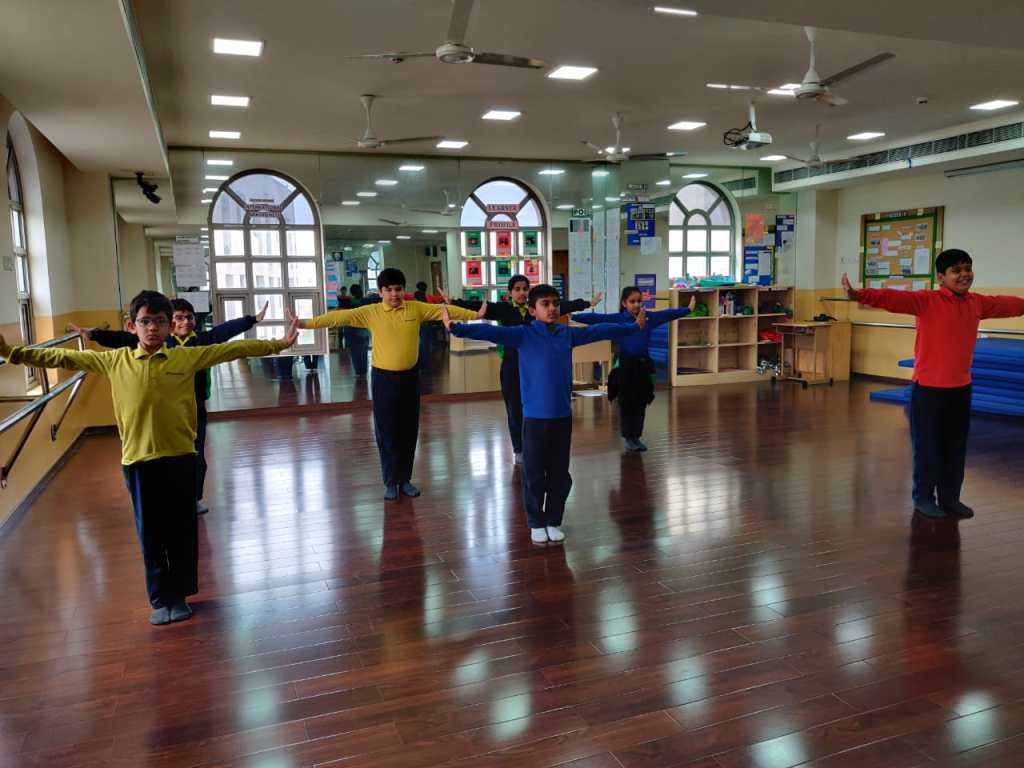
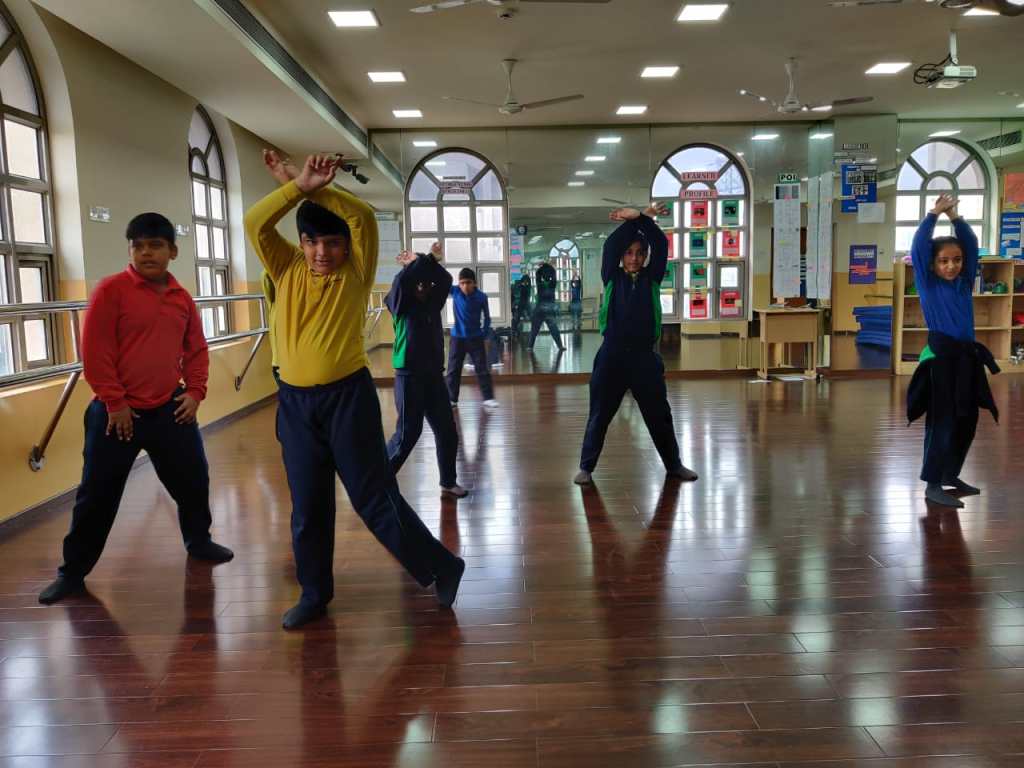
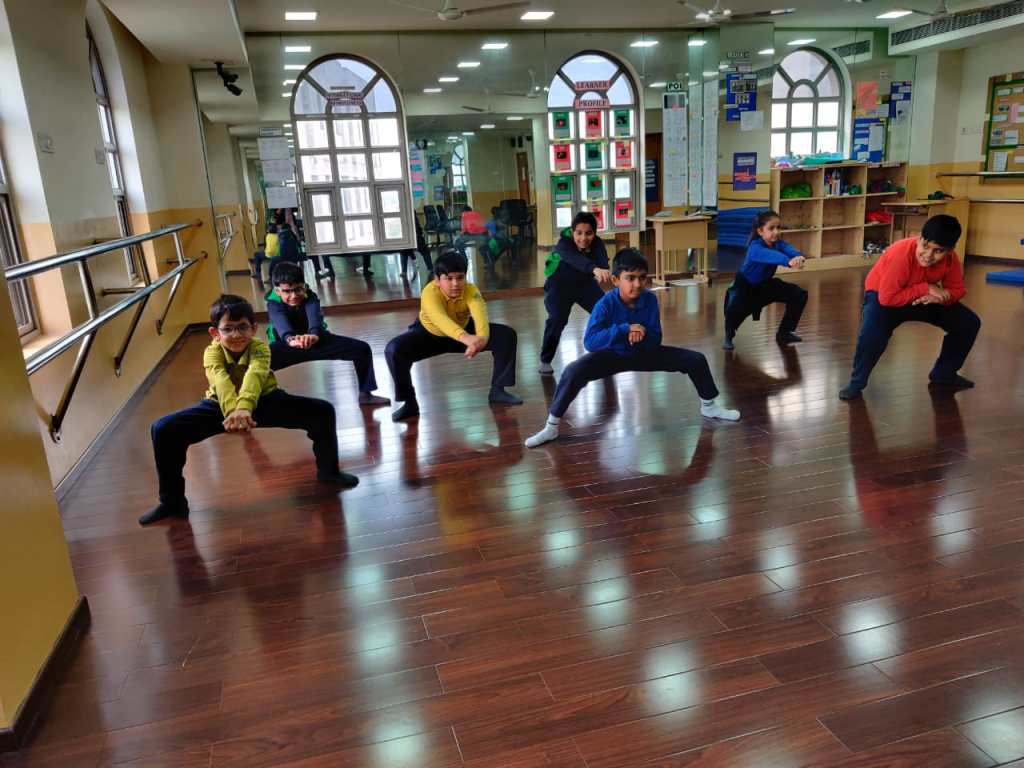
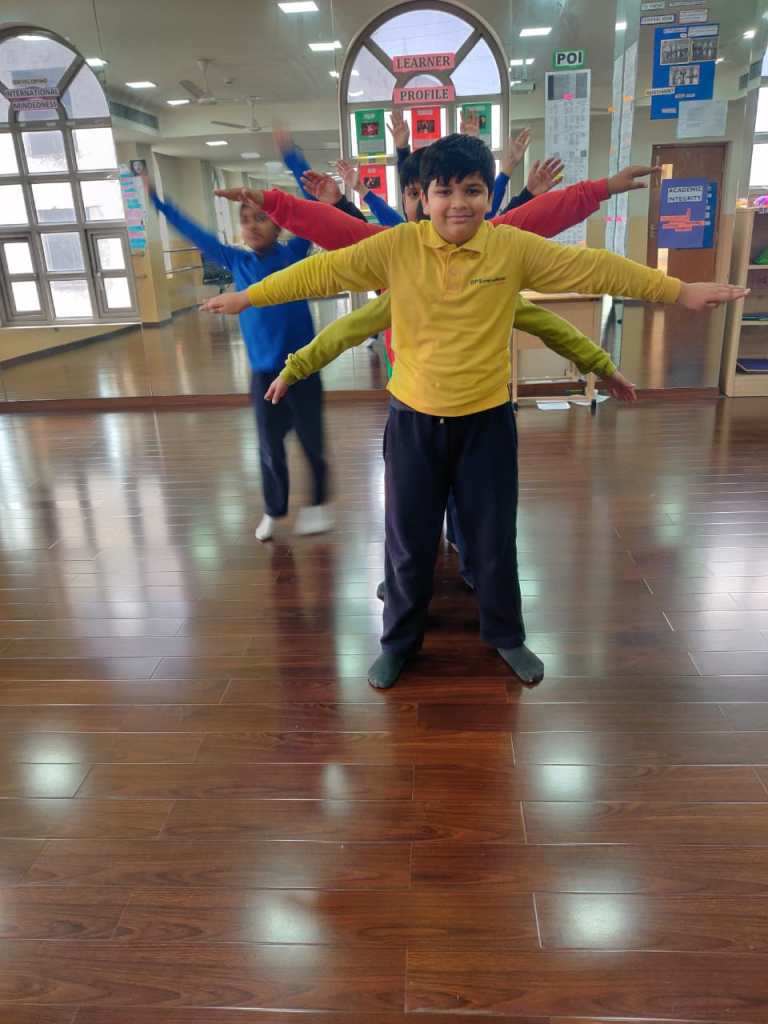
Lessons were focused on advanced workouts to improve posture and flexibility which included combinations of stretching, jumping, spotting and plies. A discussion was held on the different types of props which could be created using waste material for the student’s dance performances.
Music
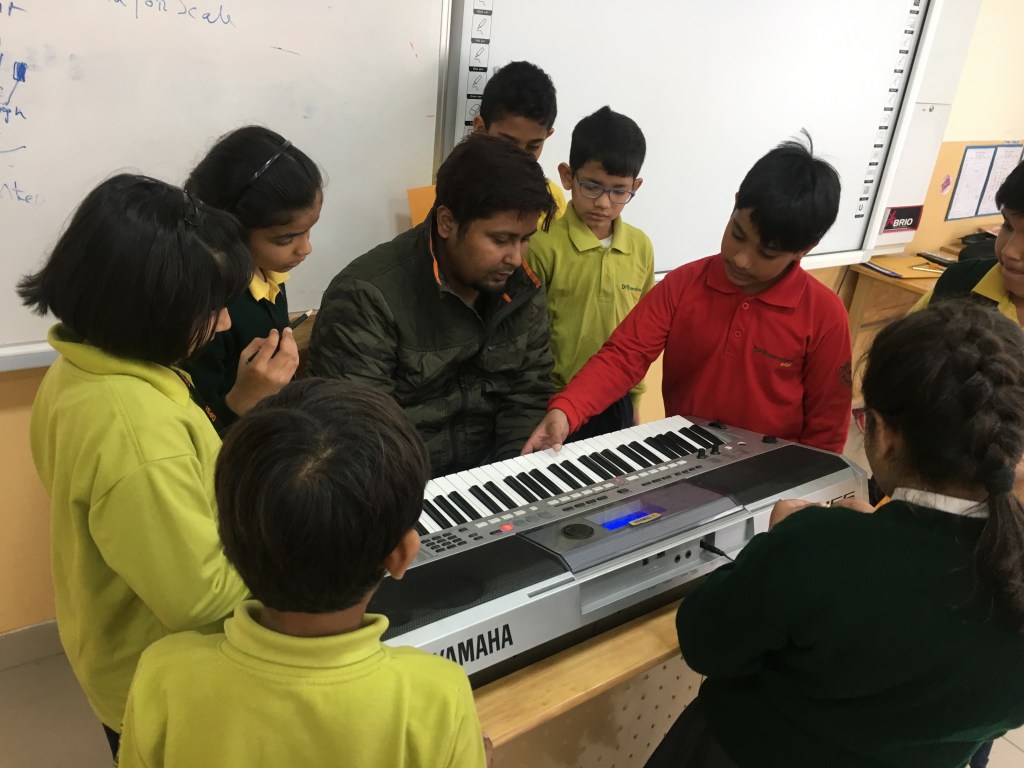
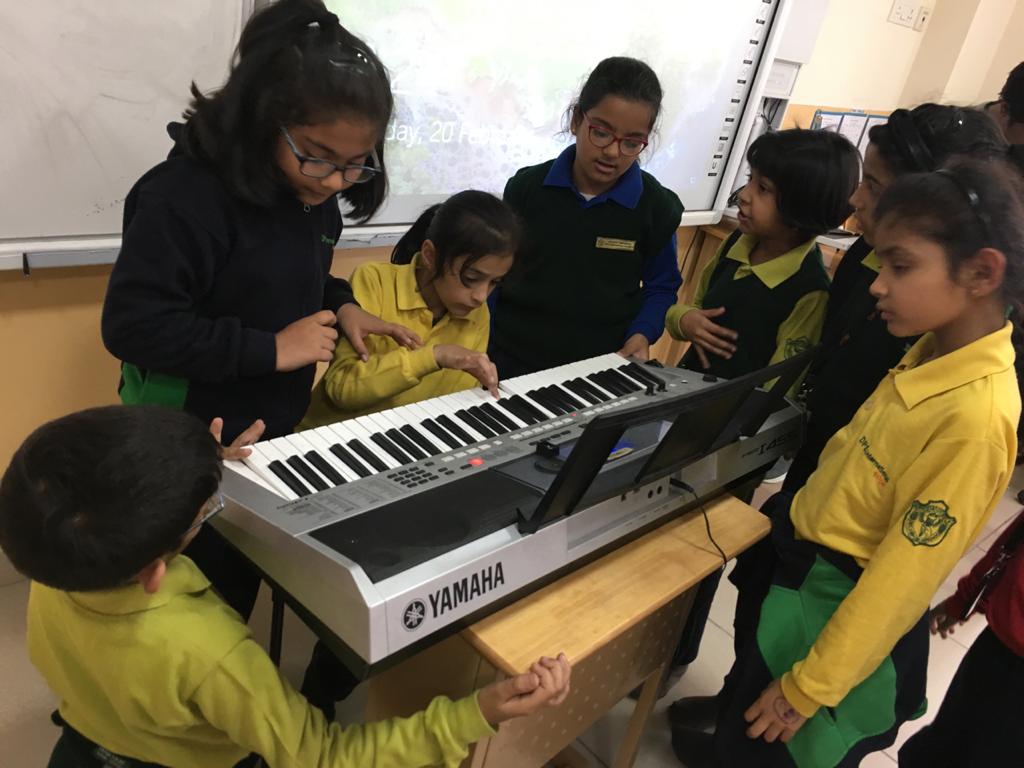
In class students learned about the form of a minor scale. They also learned the difference between a major and minor scale.
ICT
Using Minecraft, students created an effective waste disposal system in a city where most of the waste is recycled and the rest treated in an eco-friendly way. They learned to use inventory and craft items in Minecraft.
SEL
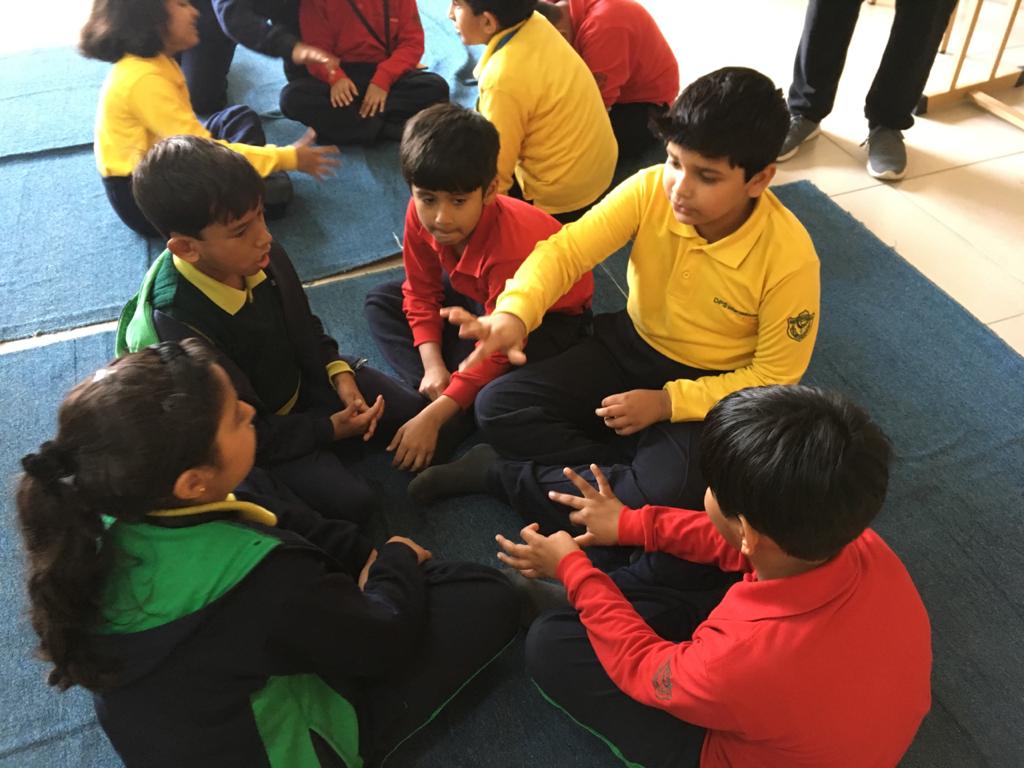
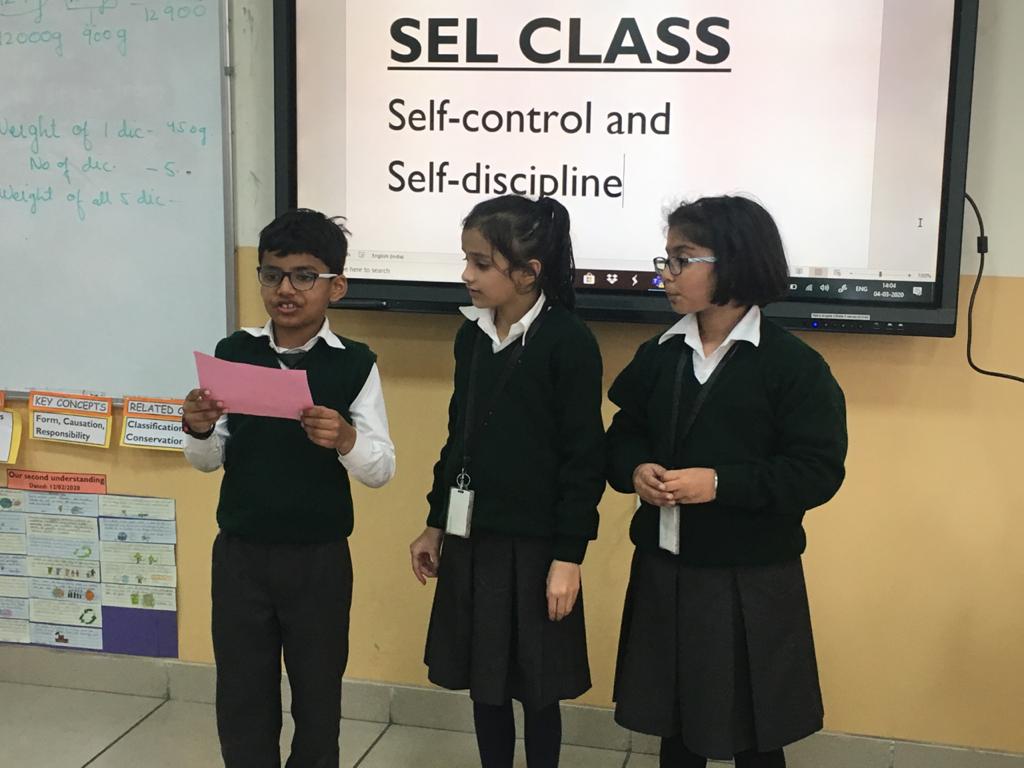
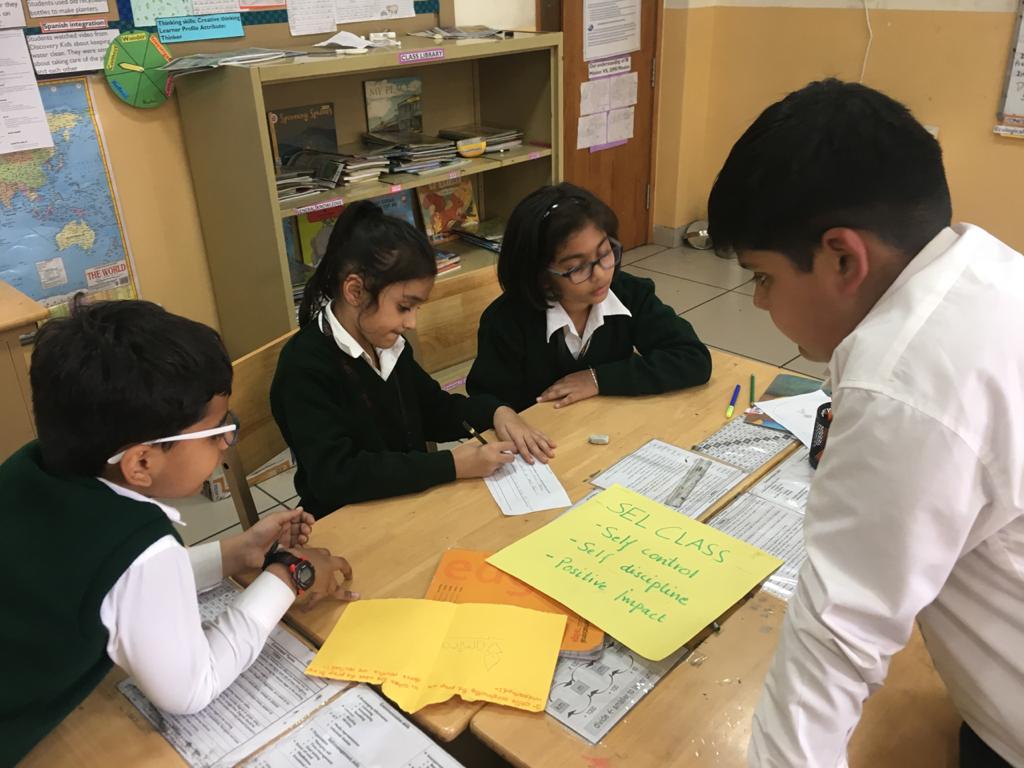
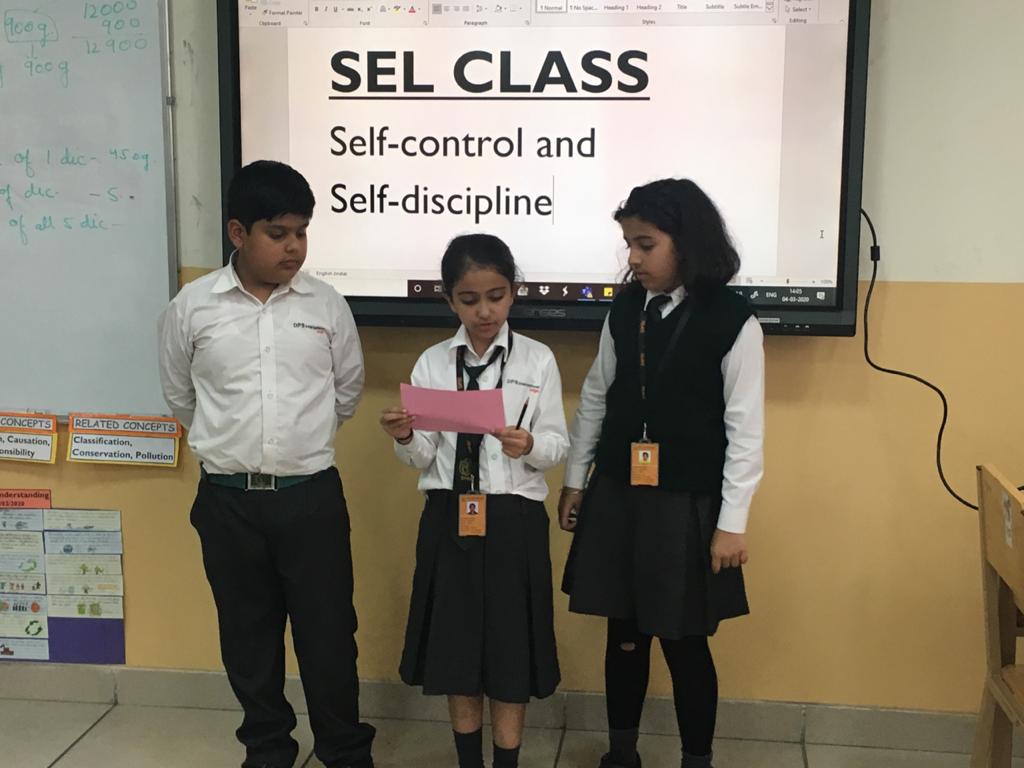
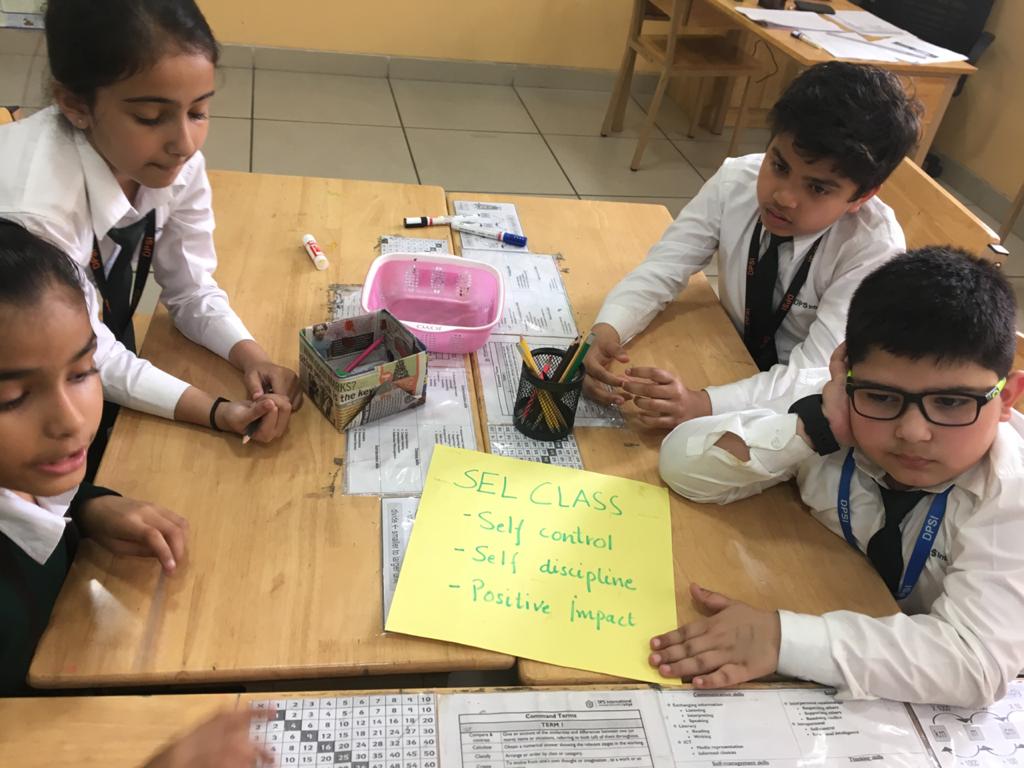
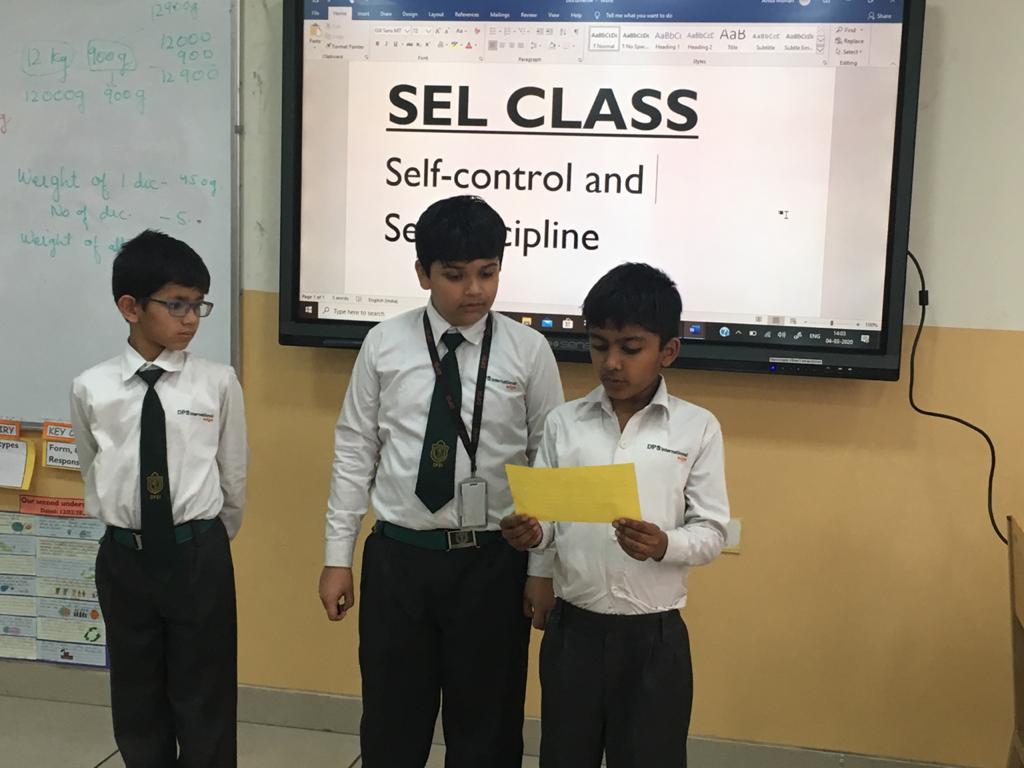
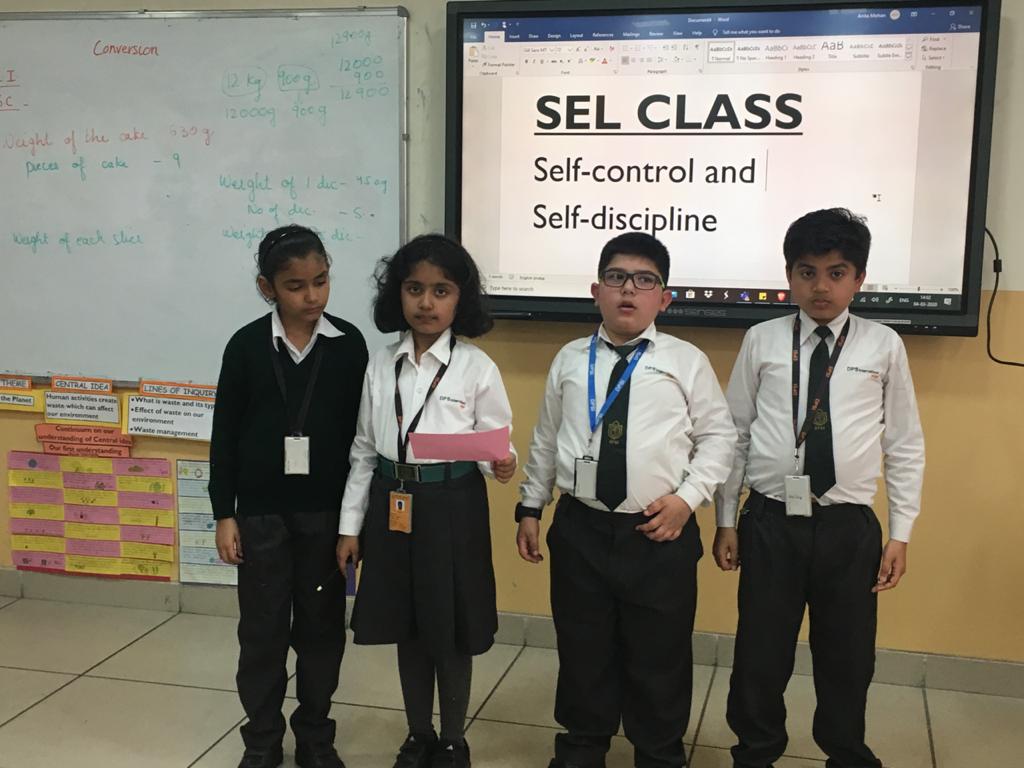
The concepts of Self-discipline and Self-control were reiterated through situation-based role-plays in class. A few examples helped students to identify and draw differences between self-discipline and self-control. Towards the end of the session, they were motivated to make a few lifestyle changes by focusing on goals that would help them achieve self-discipline in the classroom by displaying attention in class while the teacher is teaching, or being open to trying out different cuisines served in school, etc.
 Grade 3c