Unit of Inquiry
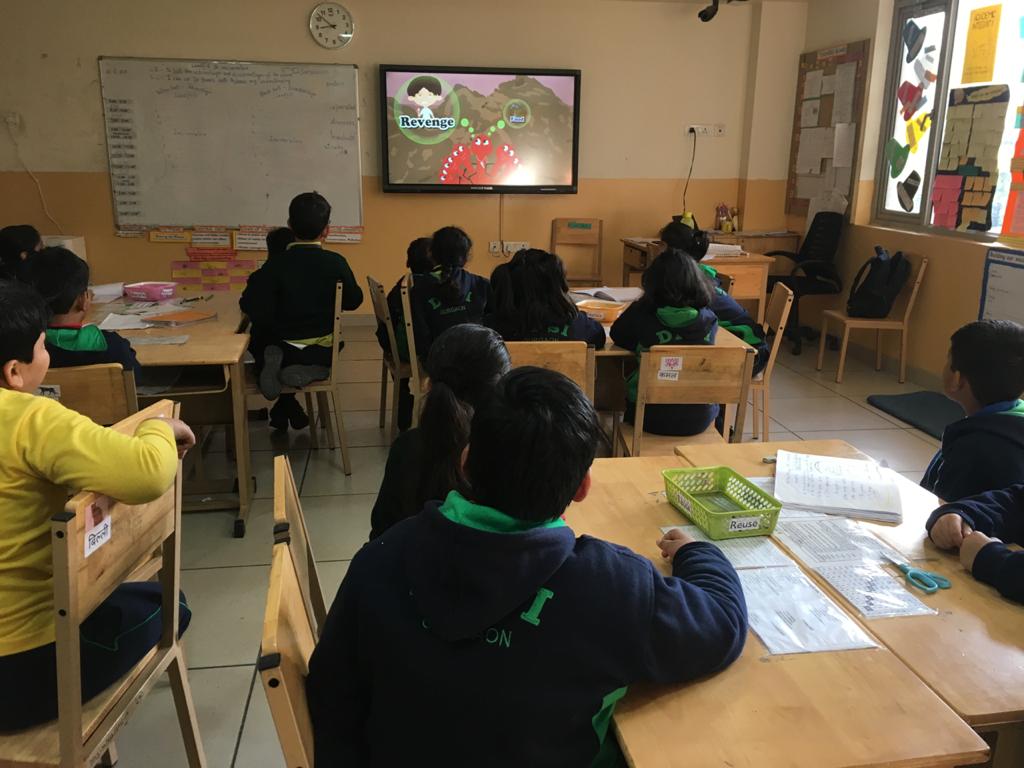
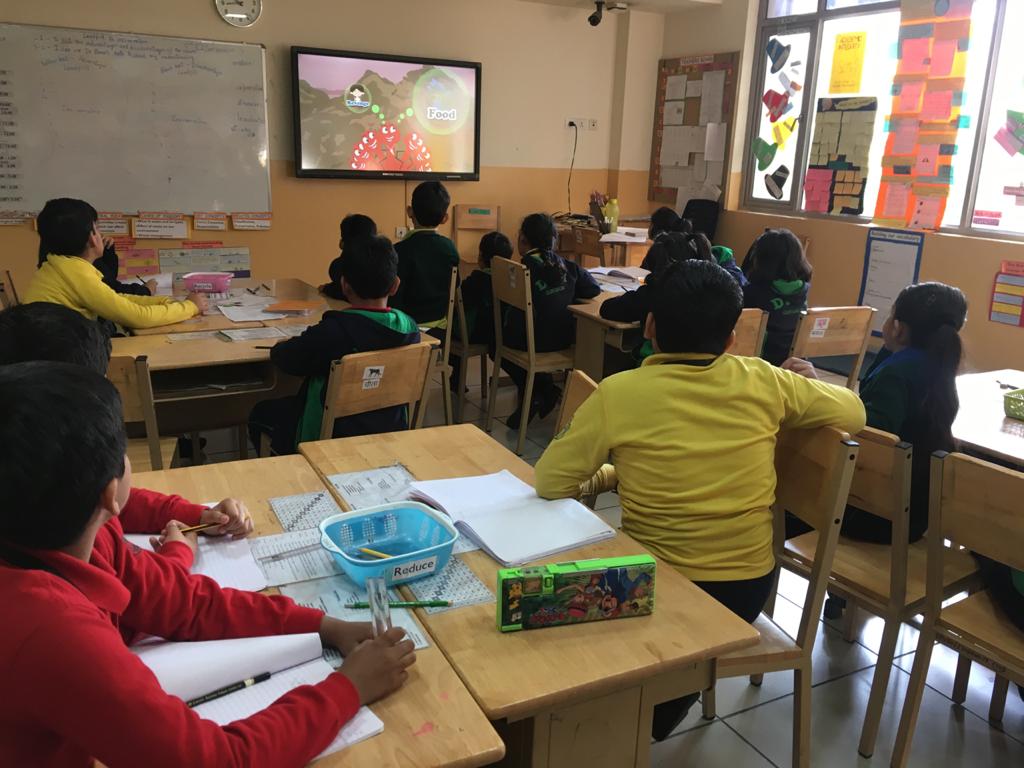
Students began to explore the effect of waste on the environment as they observed a video on the types of waste such as industrial, agricultural, municipal/domestic and E- waste. They recorded their understanding of the effects of waste on animals, plants, crops, water and humans with the help of a mind map or note taking. Their understanding of the repercussions of plastic in the environment was presented through a medium of their choice – role plays, power point presentations and songs.
Through a bus stop activity, they were introduced to waste disposal methods (landfill, incineration, open dumping) and were excited to observe and guess the type of waste disposal method on each station. They used De Bono’s Yellow and Black hat to write about the advantages and disadvantages of each method.
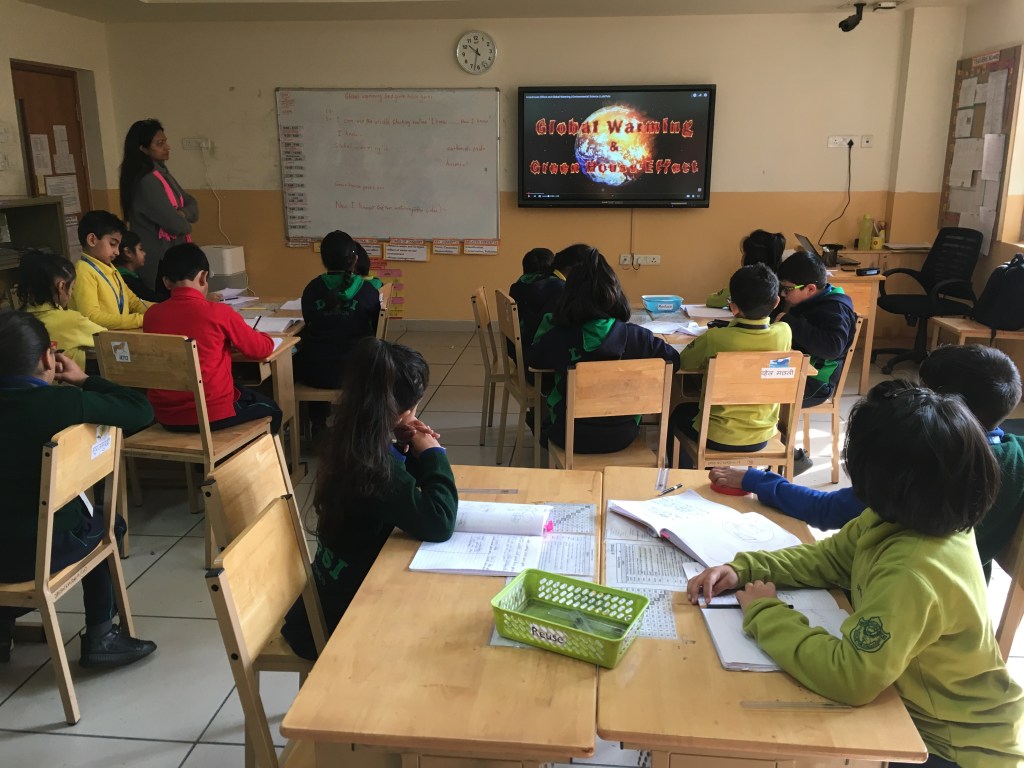
They understood the effect of waste on human health (respiratory diseases, problem to ragpickers), plants and animals (leachate, contamination of crops and animal health). They went deeper into the topic as they learned about greenhouse gases and global warming through the visible thinking routine ‘Now I know’. Students eagerly created 7 stations outside the class based on the 7R’s of waste management.
Why is plastic so much worse than you think
How it feels to be an ocean animal stuck in a bag
20 kgs of plastic removed from bulls stomach in India
Video on pollution due to waste
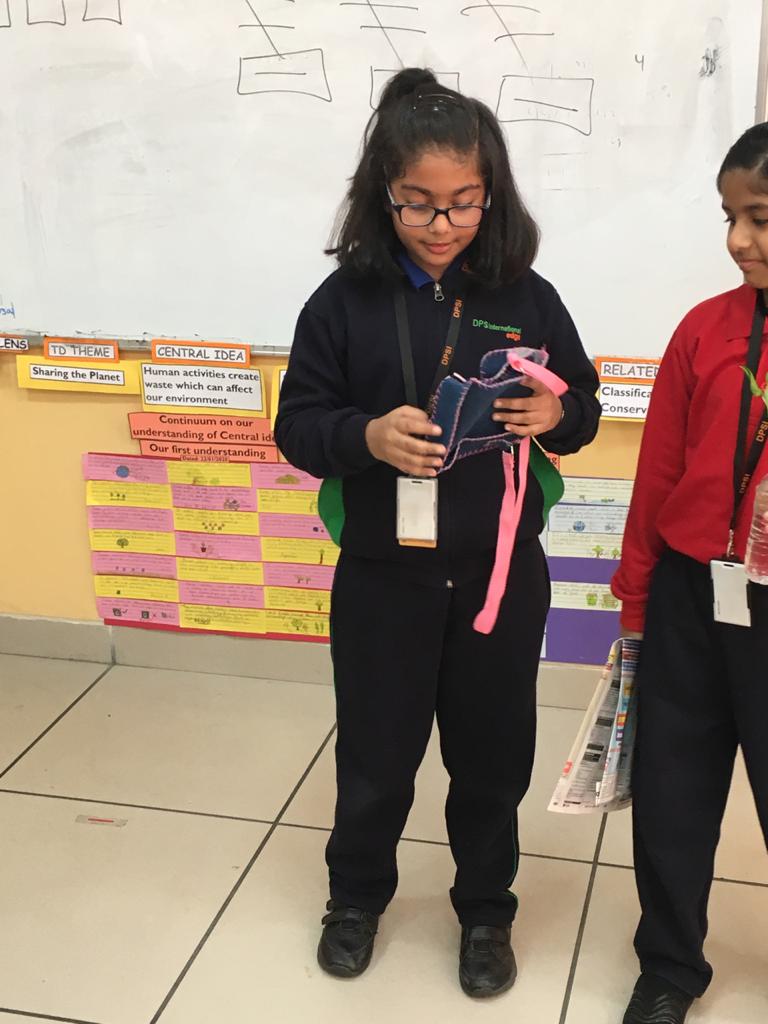
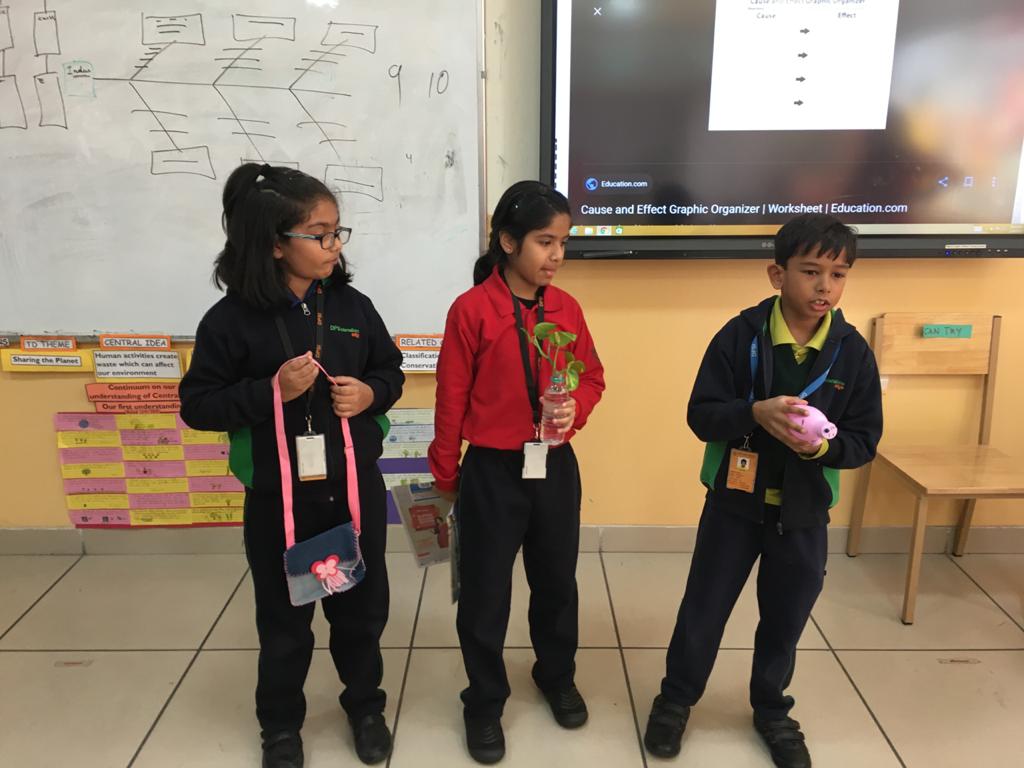
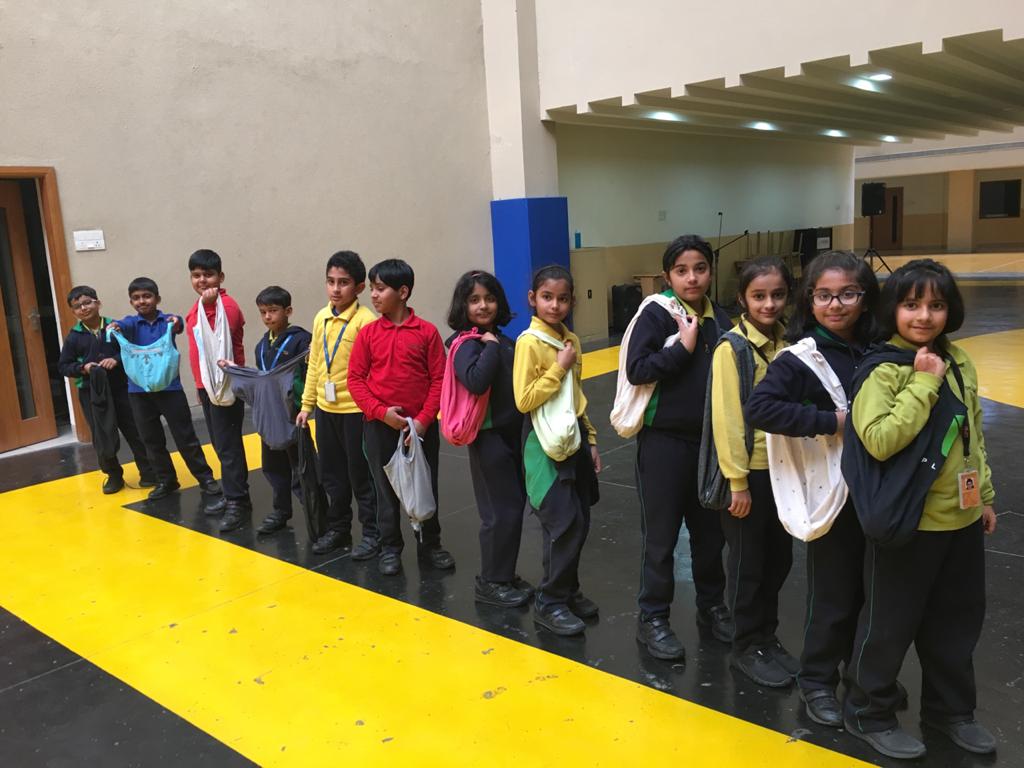
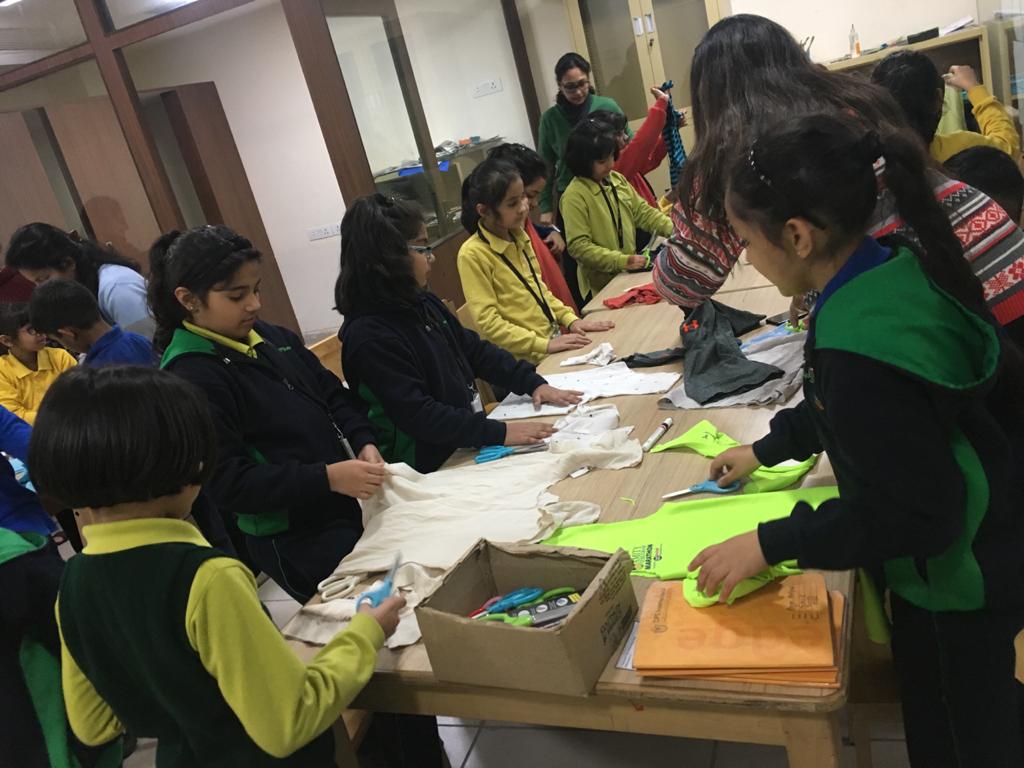
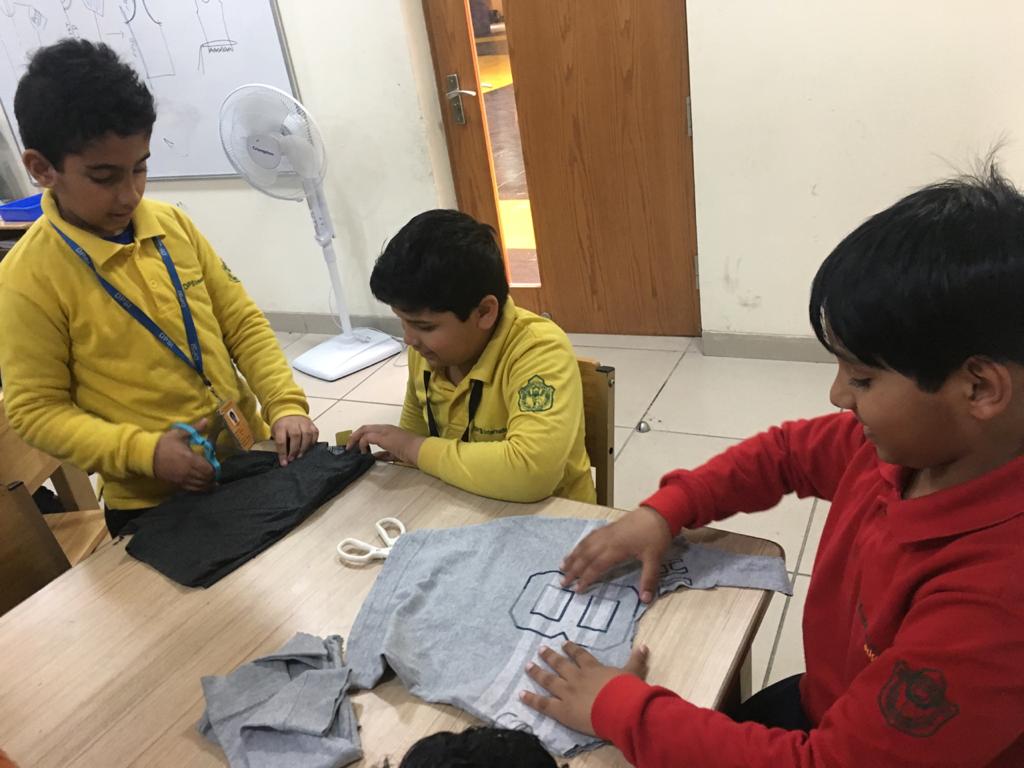
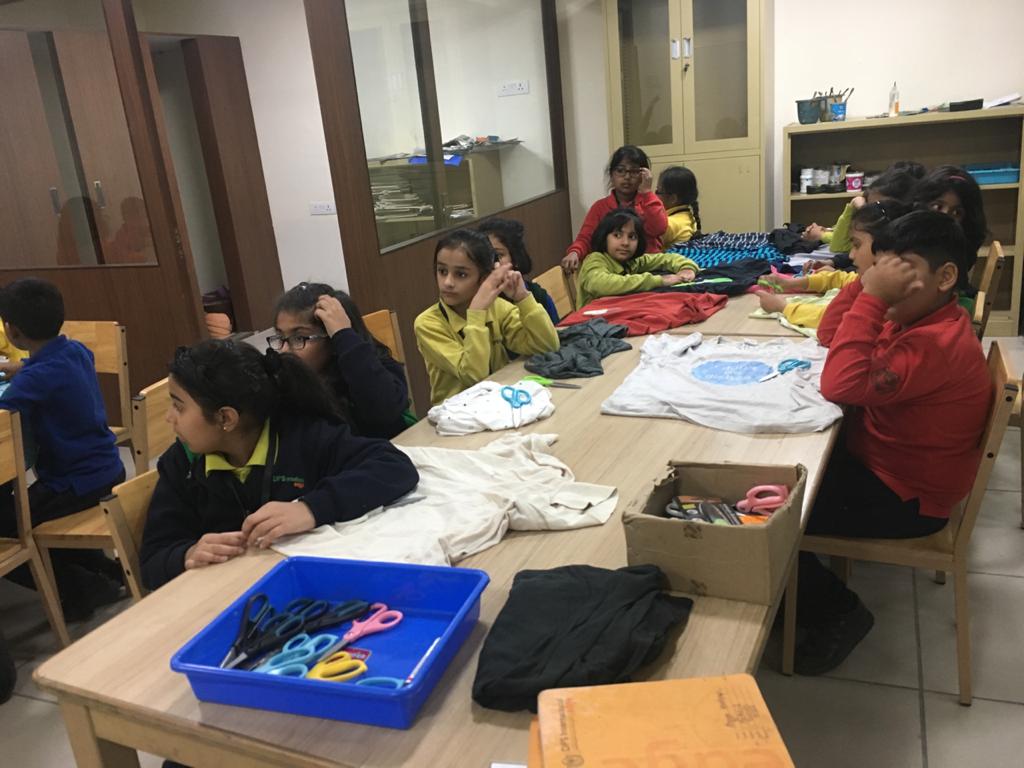
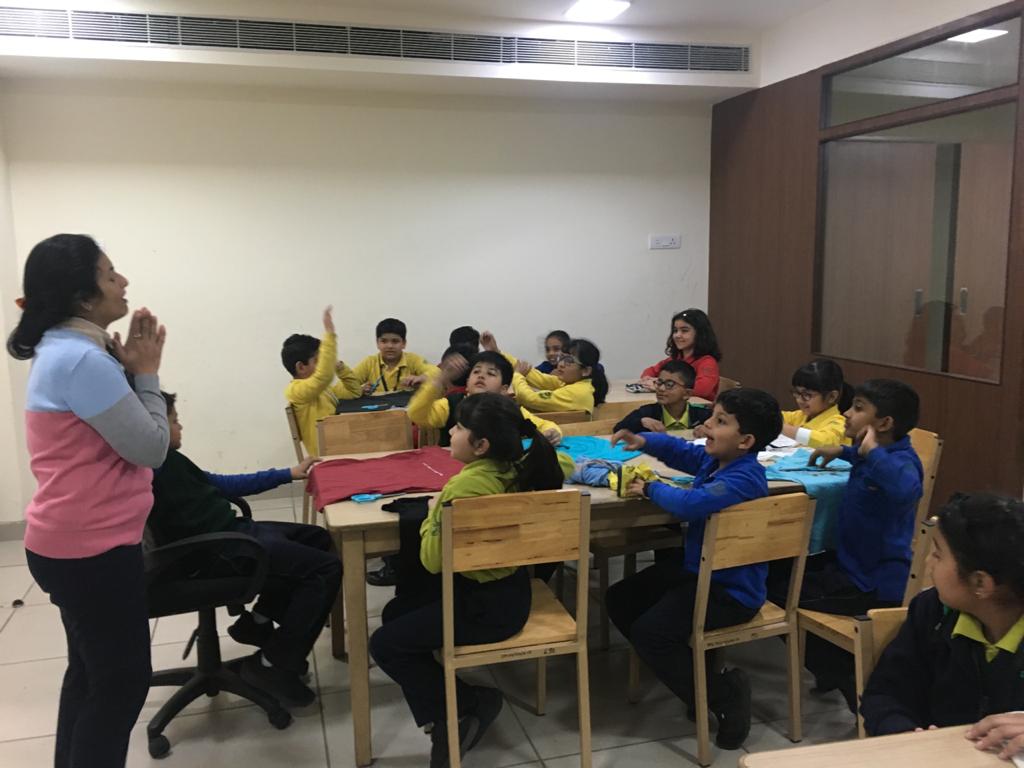
Students got old t-shirts from home and made bags out of those t-shirts.
Mathematics
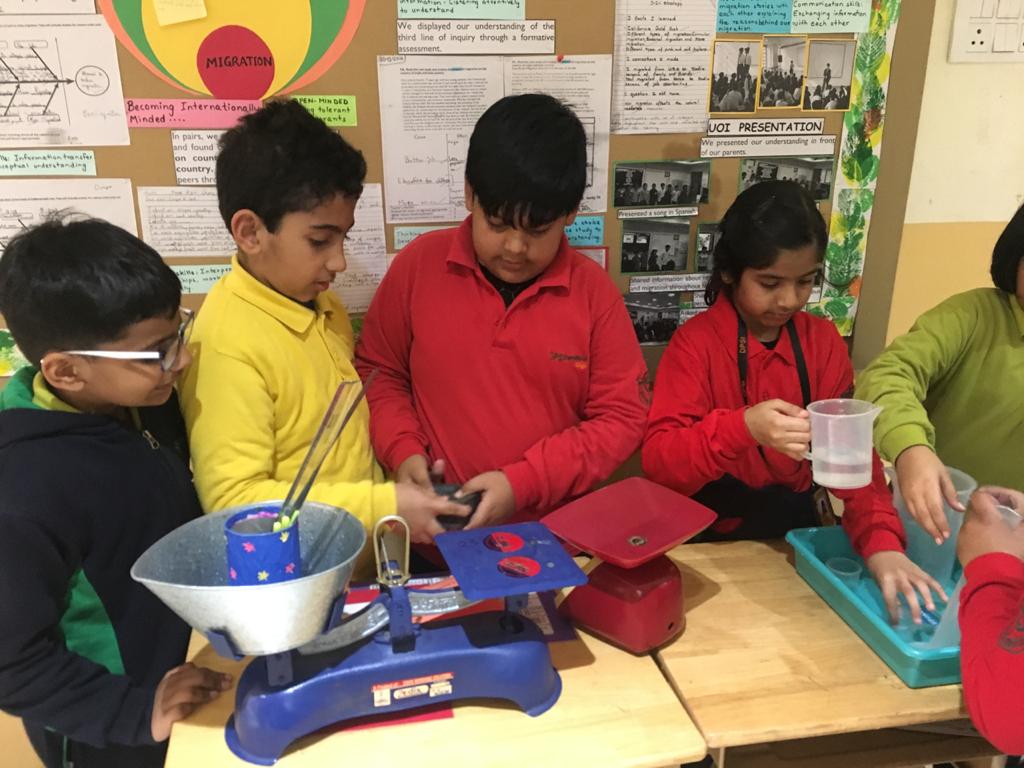
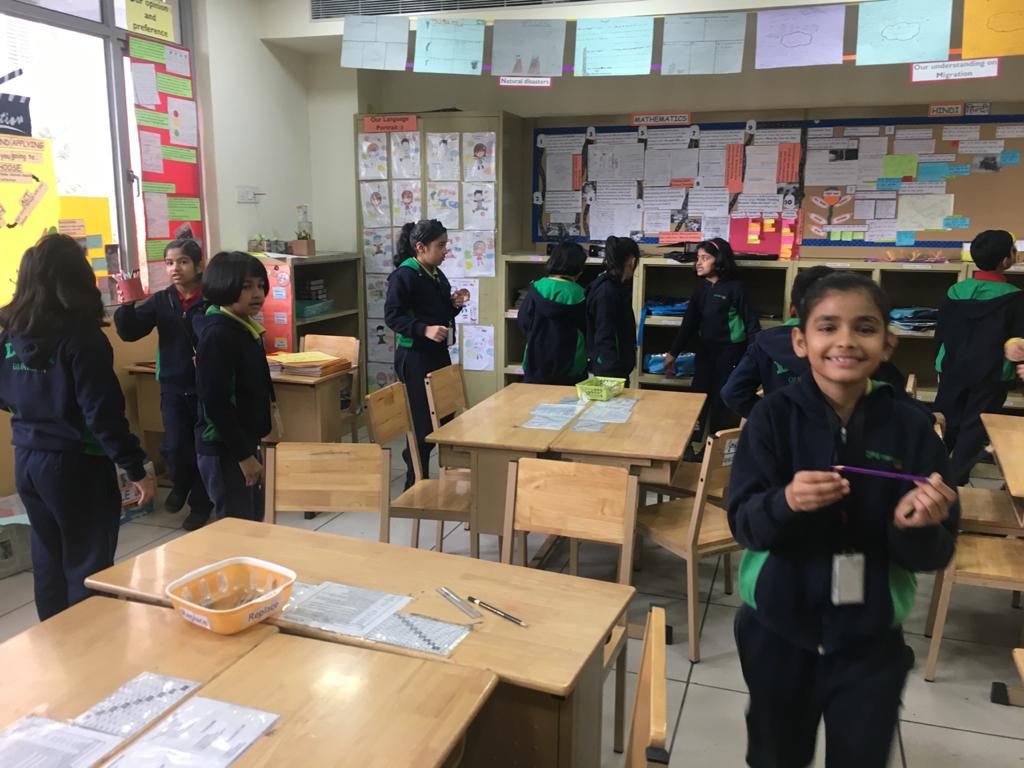
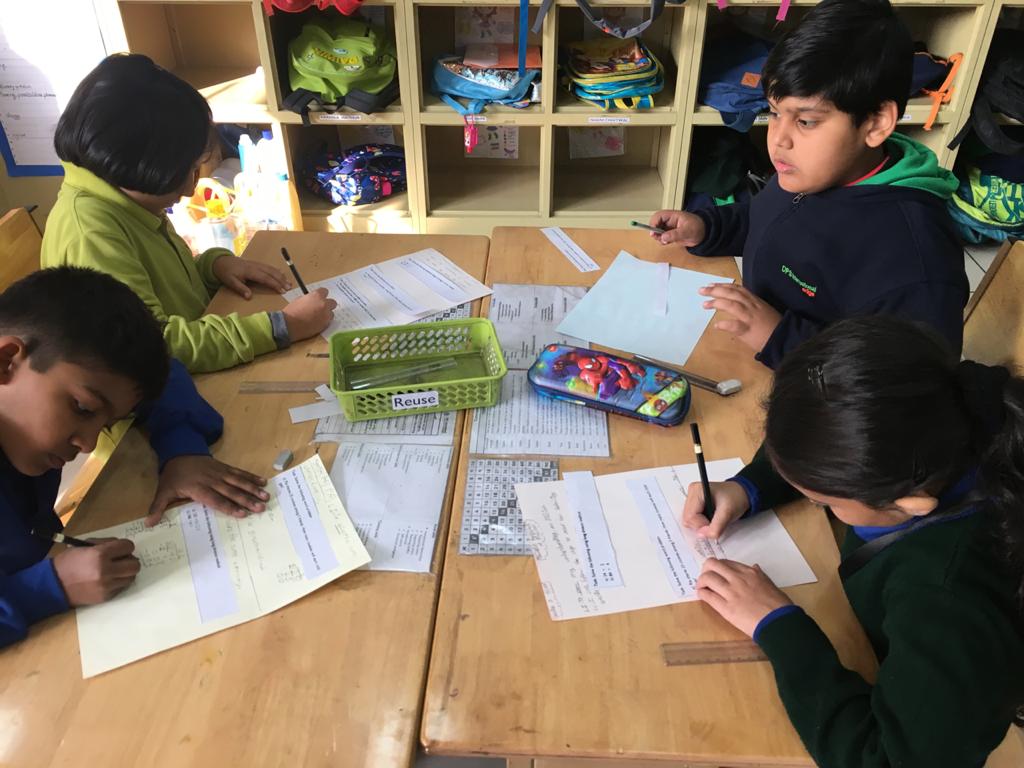
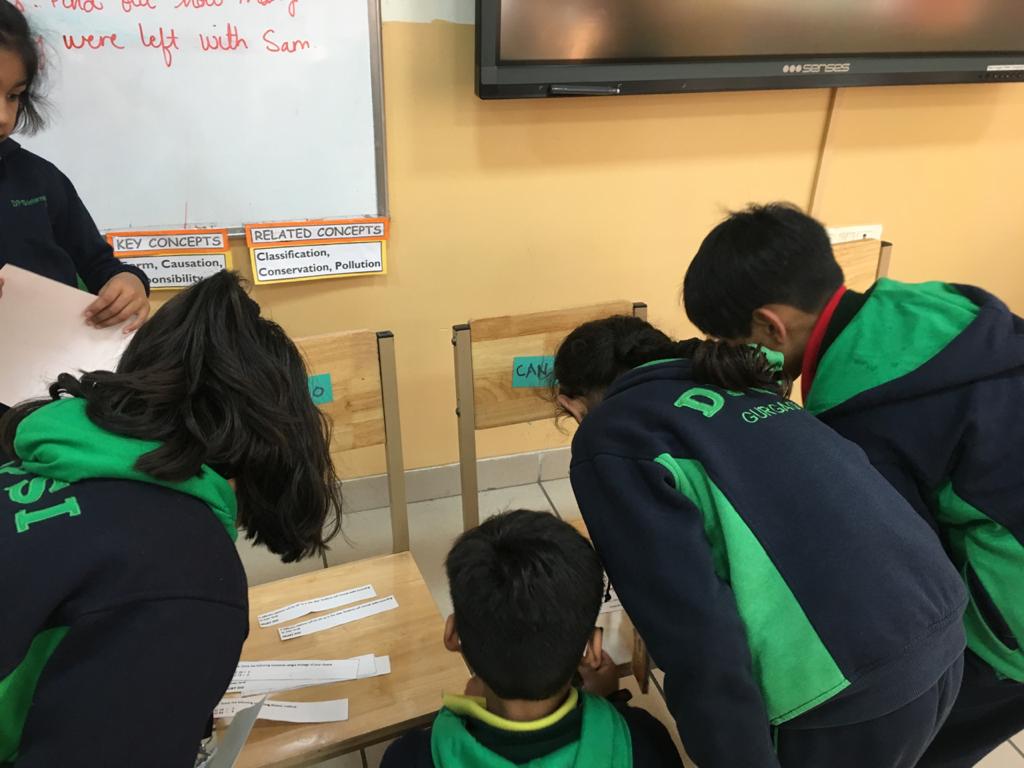
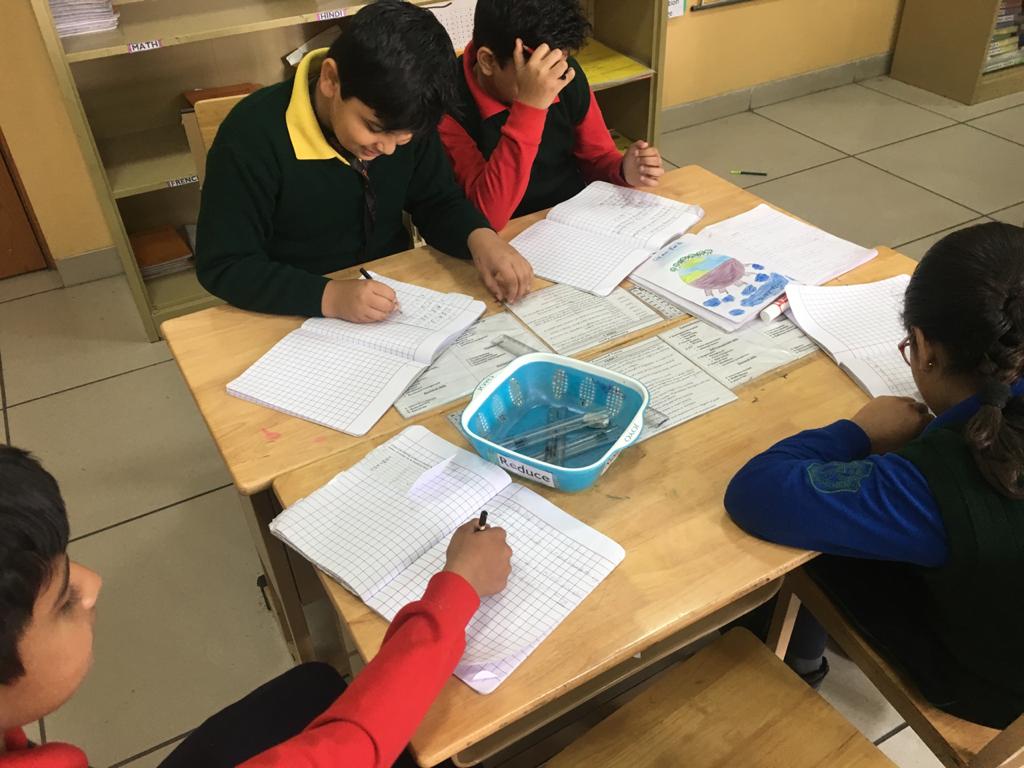
Students improved their continuum of understanding about long division and division rules as they wrote their second understanding of the same. They were then introduced to word problems related to division. They undertook a Formative Assessment on Division where they chose tasks from three stations set up as- Must do, Can do, Can try.
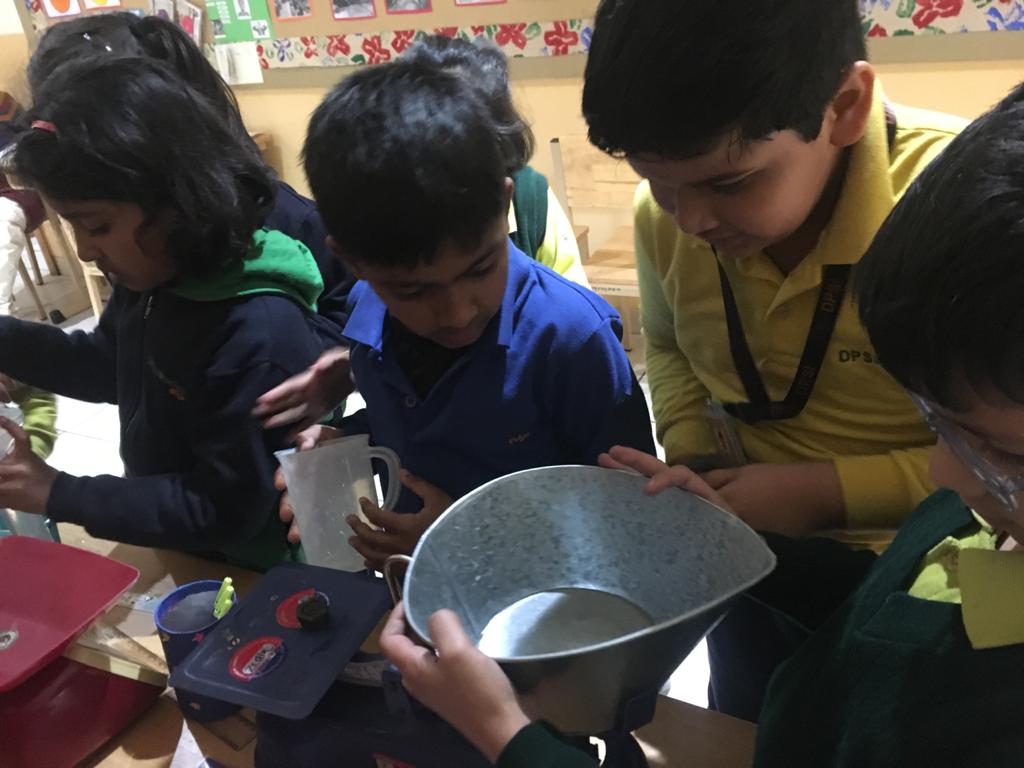
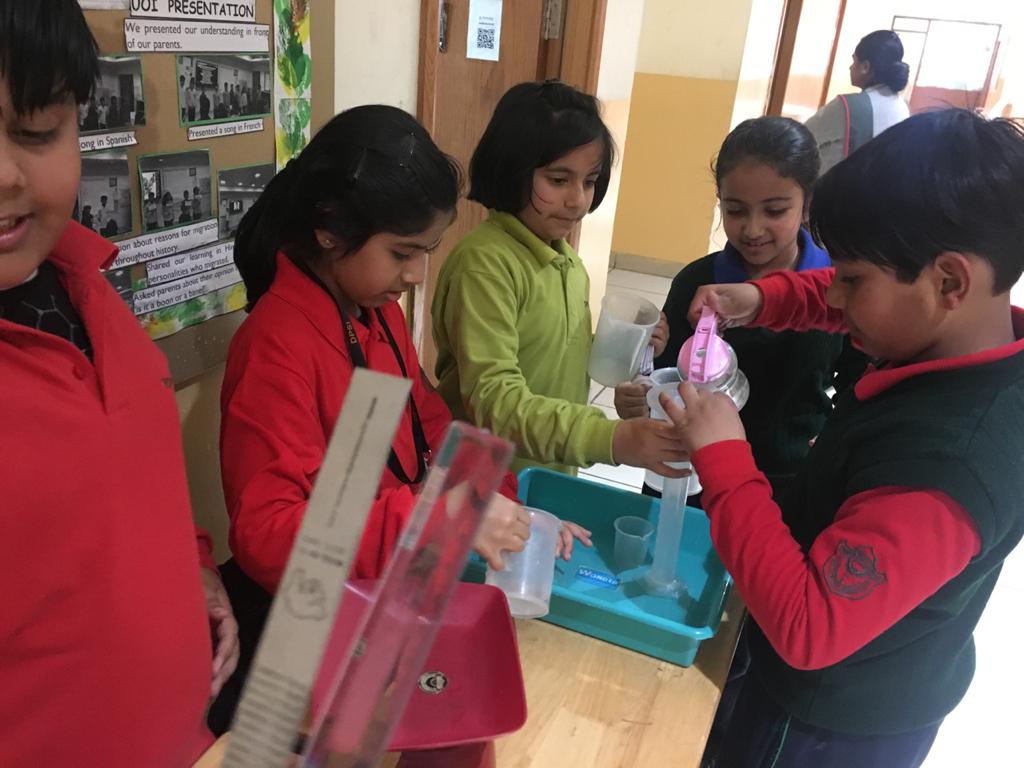
They proceeded to reflect on their third understanding about division and word problems. They tuned into measurement as they discovered the exploration corner set up with objects related to the same concept. They introspected on their prior knowledge using the visible thinking routines ‘KWL’, ‘AQUA’ or ‘I see, I think, I wonder’.
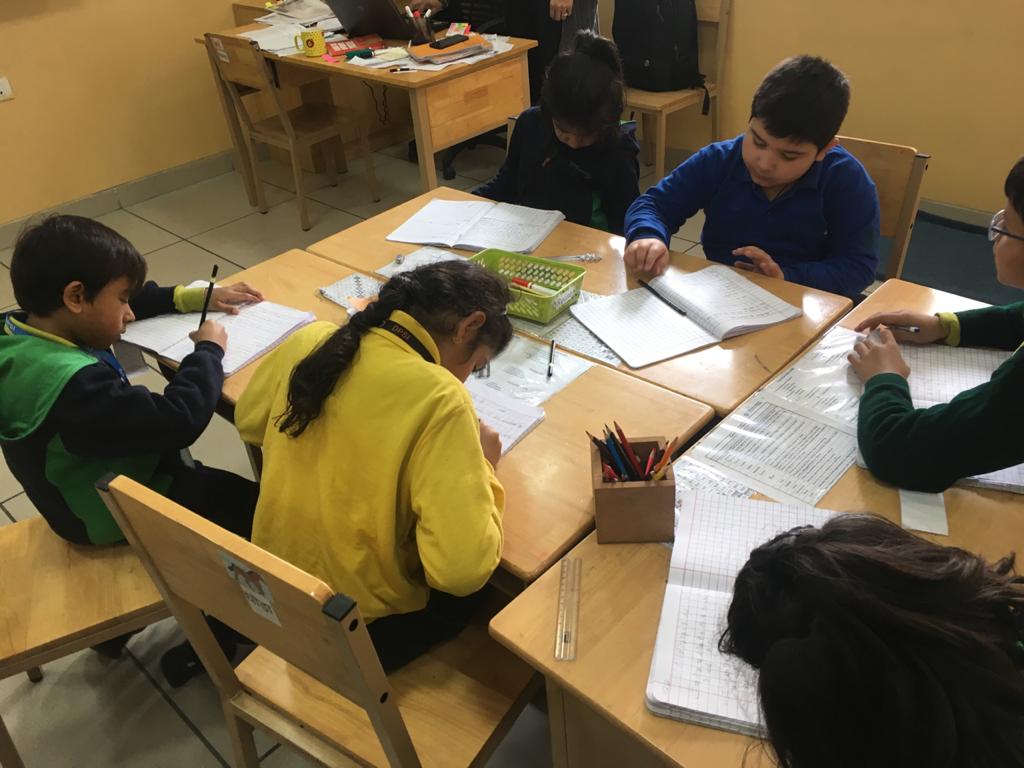
Students were introduced to length and were thrilled to play the treasure hunt game using cues based on length. Also, they reflected on how they could apply their knowledge of measurement (length) in real life scenarios. They used their critical thinking skills as they learned about how the various units of length (mm, cm, m, km) are connected and can be converted. They understood the relationship between conversion, multiplication and division as they solved different task sheets.
English
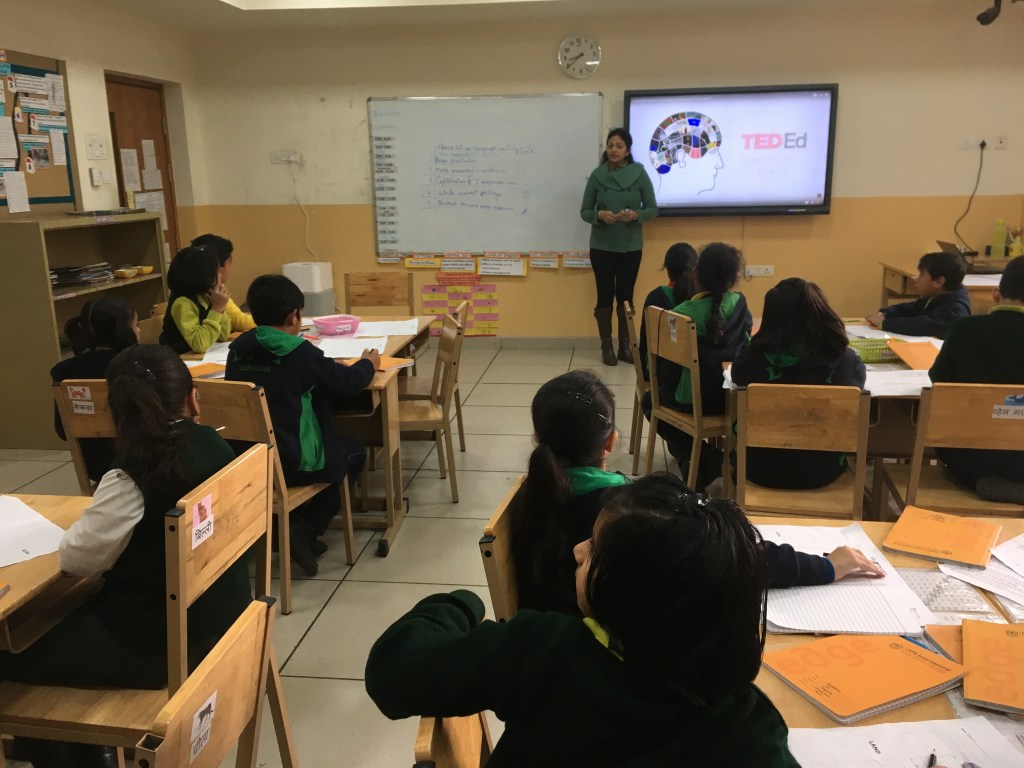
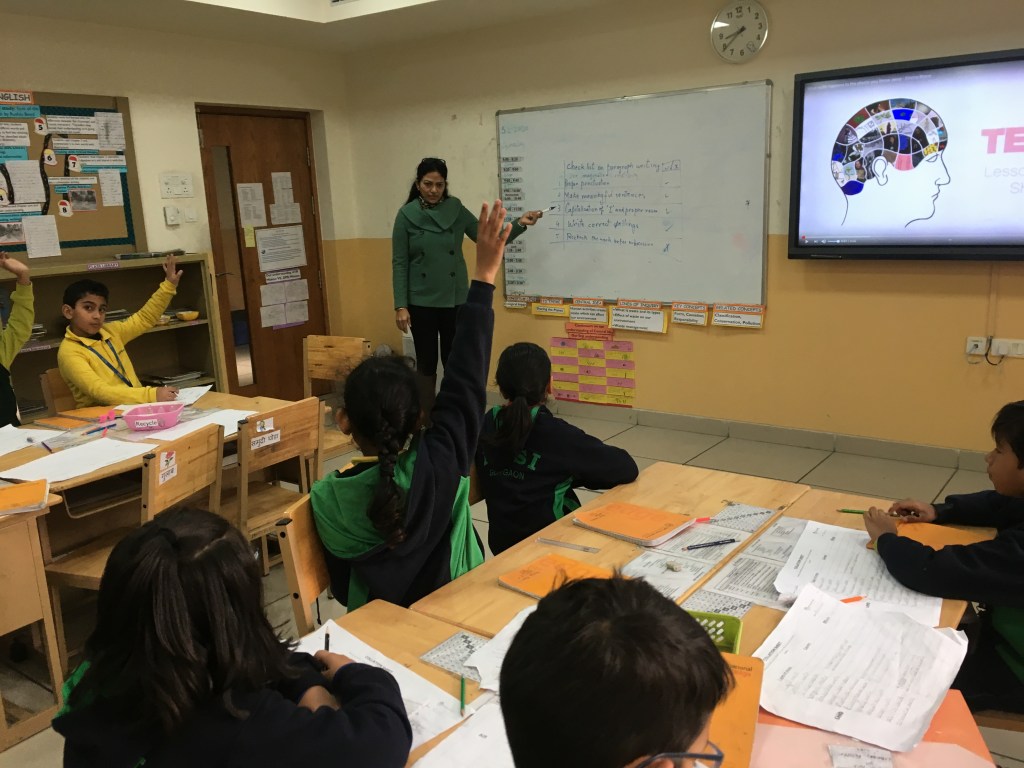
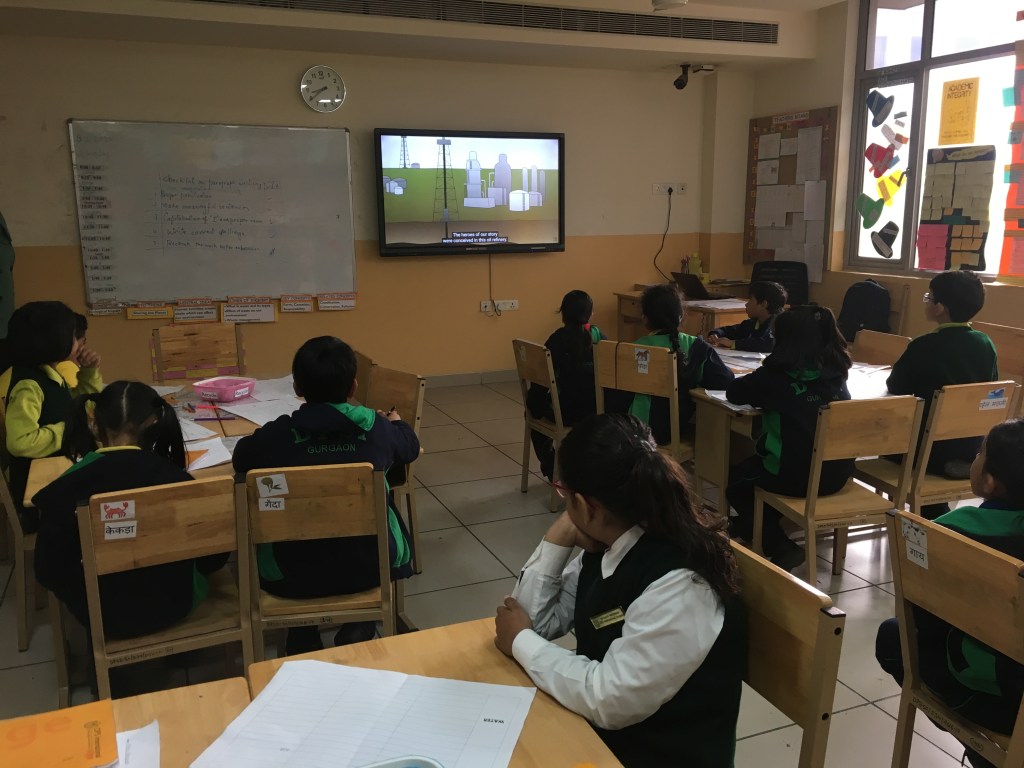
Students were excited to show their understanding of subject and predicate and explored quizzes on their iPads. Integrating with the unit on waste, they read an article on the same and identified the subject and predicate in it. Further, they used a visible thinking routine ‘I used to think/now I think’ to reflect on their understanding of the same. Students were excited to watch and comprehend questions related to the story- ‘What Happens to Three Plastic Bottles’, after which they created a visual image of the journey of each bottle.
Students read a newspaper article on sewage systems and summarised it with paragraph writing. They were eager to present a one minute extempore speech as they chose a topic and prepared for it on the spot.
A formative assessment on novel study ‘Eyes of the Eagle’ was undertaken as they revisited the first three chapters and showed their understanding through a Tic-Tac-Toe game. They wrote down a paragraph/slogan as they interpreted cartoons of their choice and explained them through a visible thinking routine ‘What makes you say that’.
Students used their thinking skills as they made predictions to conclude a story by writing about it or through a role play as they read the comprehension passage in groups.
What happens to 3 plastic bottles- story
Hindi
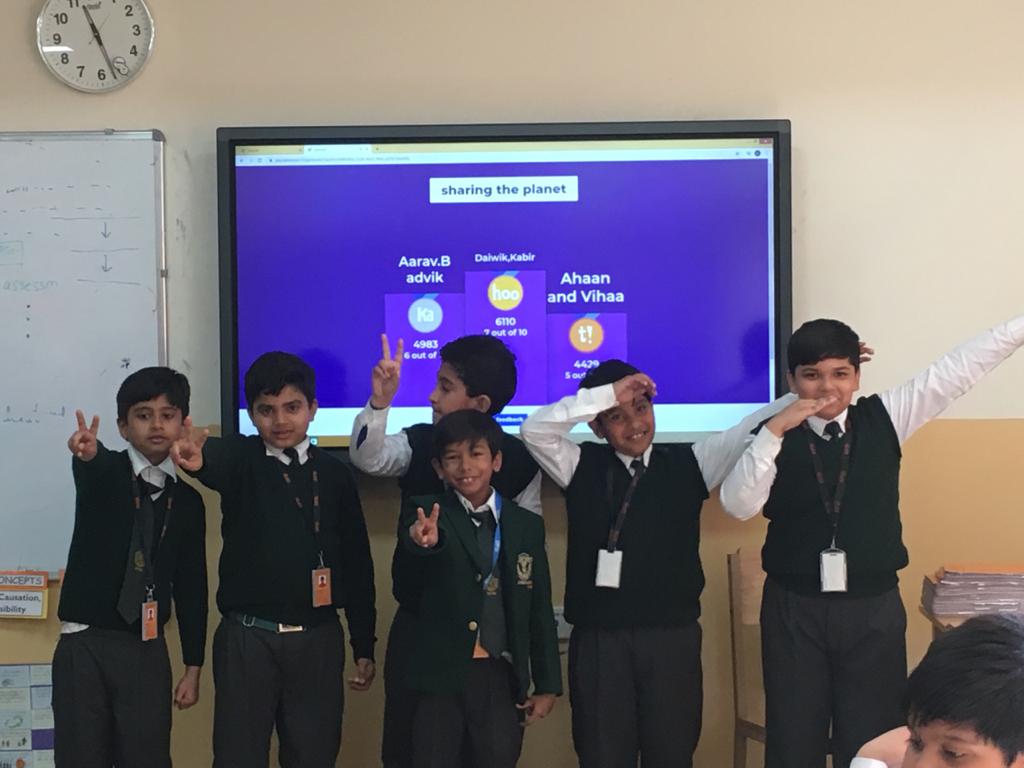
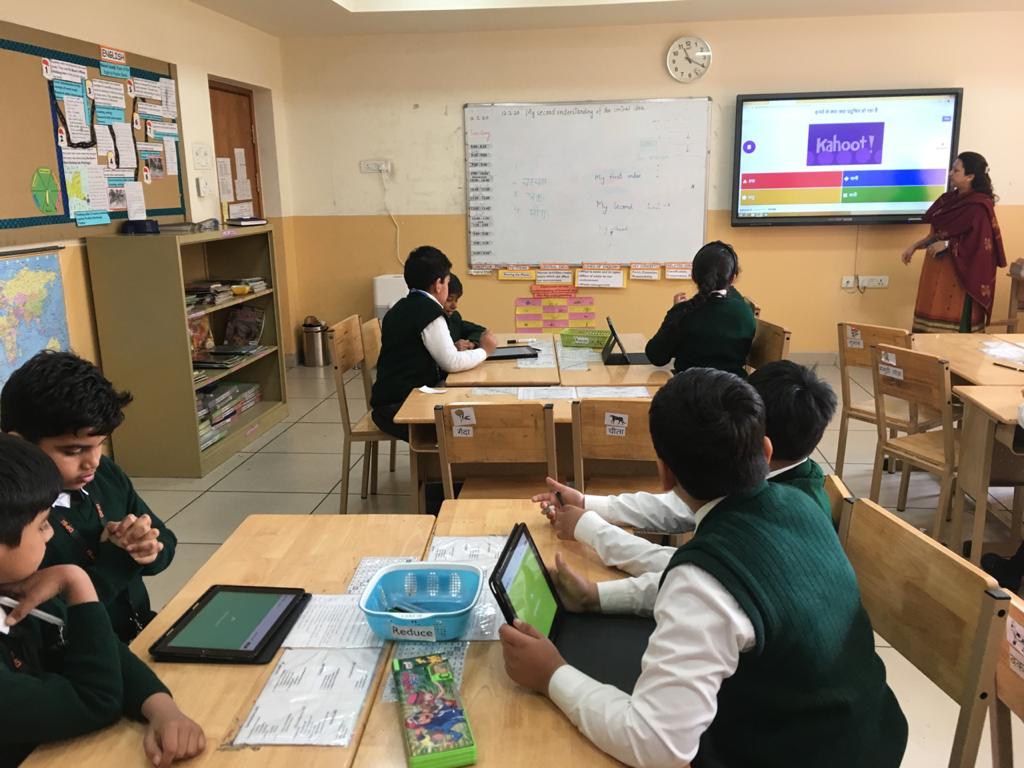
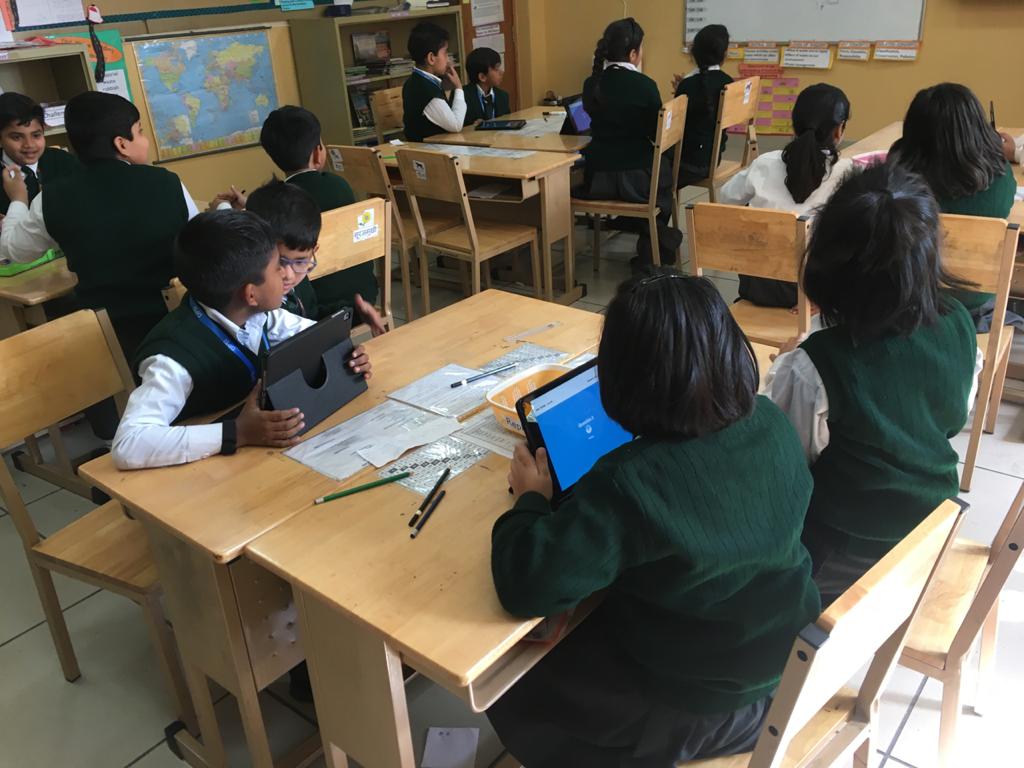
During their Hindi lesson, students watched a documentary on pollution with its various types, reasons and effects. They expressed their thoughts through the ‘SQUID’ strategy. They assessed their knowledge and self-management skills through a Hindi kahoot quiz . Students used their creativity to compose couplets and also created a unit related poem. Their knowledge of spellings was assessed through dictation.
Hindi ab-initio
To enhance their skills students listened to the Hindi story ‘Bilee ke bache’ and retold the same to augment their efficiency in speaking. To improve their writing skills student’s practiced ‘a’,’ai’, ‘o’ and ‘au’ maatras. To strengthen their reading ability they studied words with ‘a’ and ‘ai’ matraa.
French
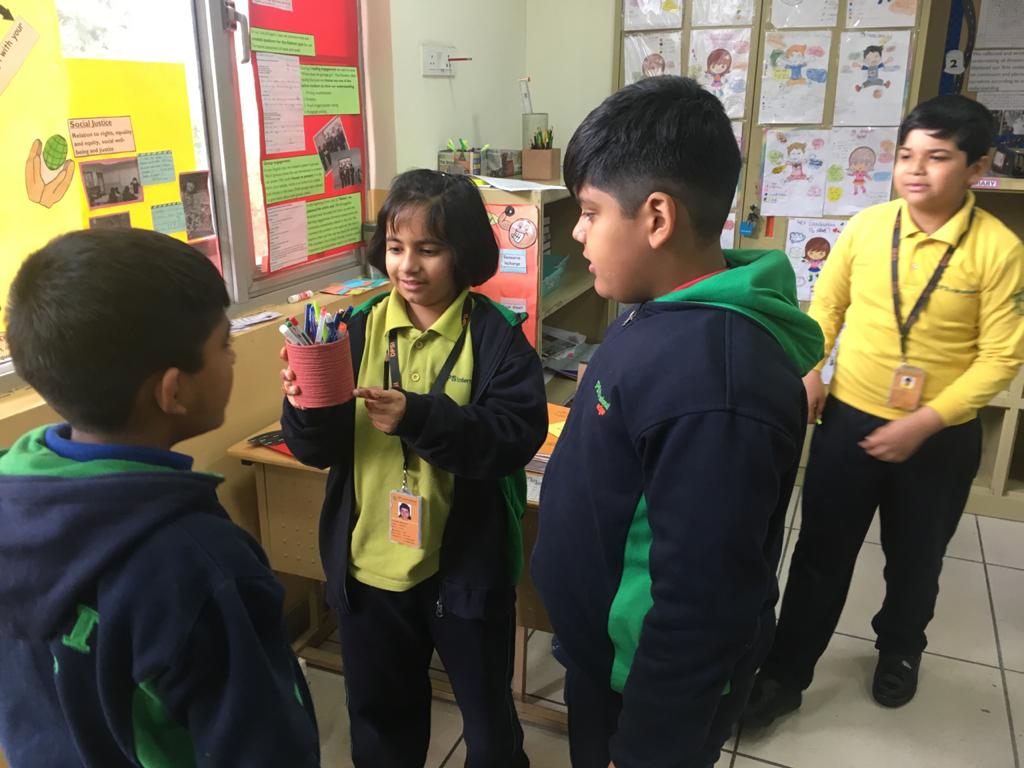
Learners were given the choice to decide on tasks for their portfolio of the Student Led Conference and Grade level assembly. They voiced their opinions and took ownership. They enhanced their thinking skills (application), communication skills (listening and speaking) and social skills (supporting and cooperating with peers).
Spanish
Students worked on their SLC portfolios in groups and pairs. They used their self management and social skills while they communicated and created their profiles effectively by applying their knowledge of the target language.
Library
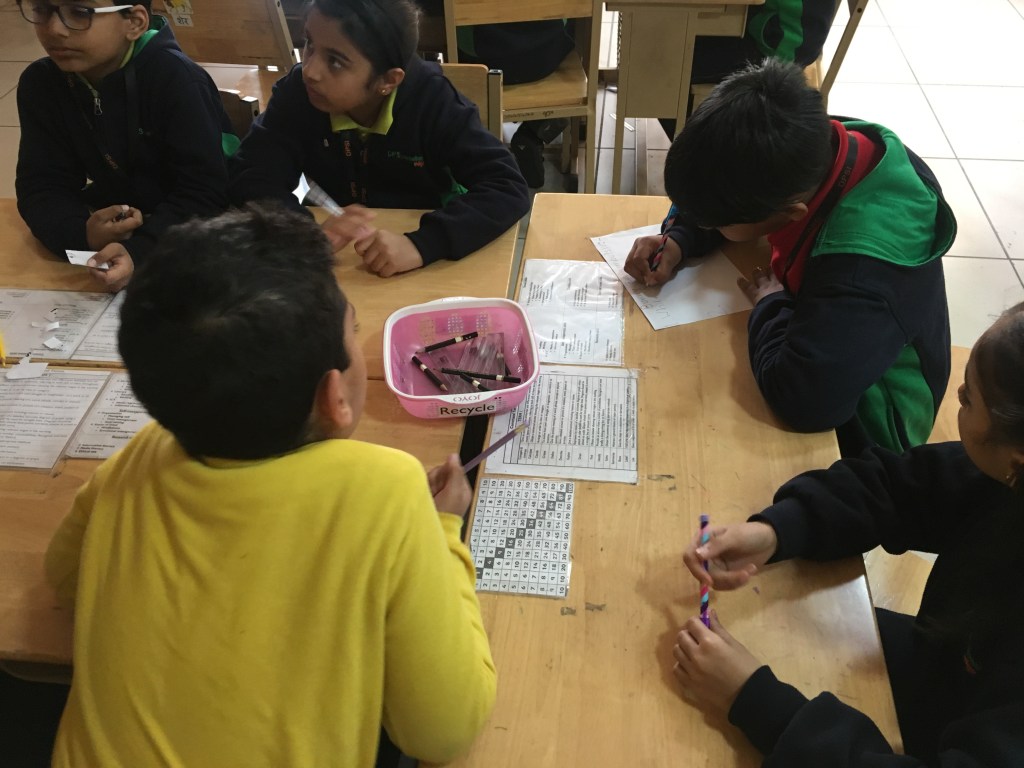
Since February 2000 International Mother Language Day is observed every year to promote linguistic and cultural diversity and multilingualism across the world. To mark International Mother Language day in the library, the students were acquainted with the purpose and importance of celebrating this event. They learned some widely spoken languages around the world like Chinese, Spanish, English and Hindi. The children shared the first language most commonly spoken at home some of which were Bengali, Punjabi, Gujarati, Korean, Chinese, Tamil and Haryanvi.
PHE
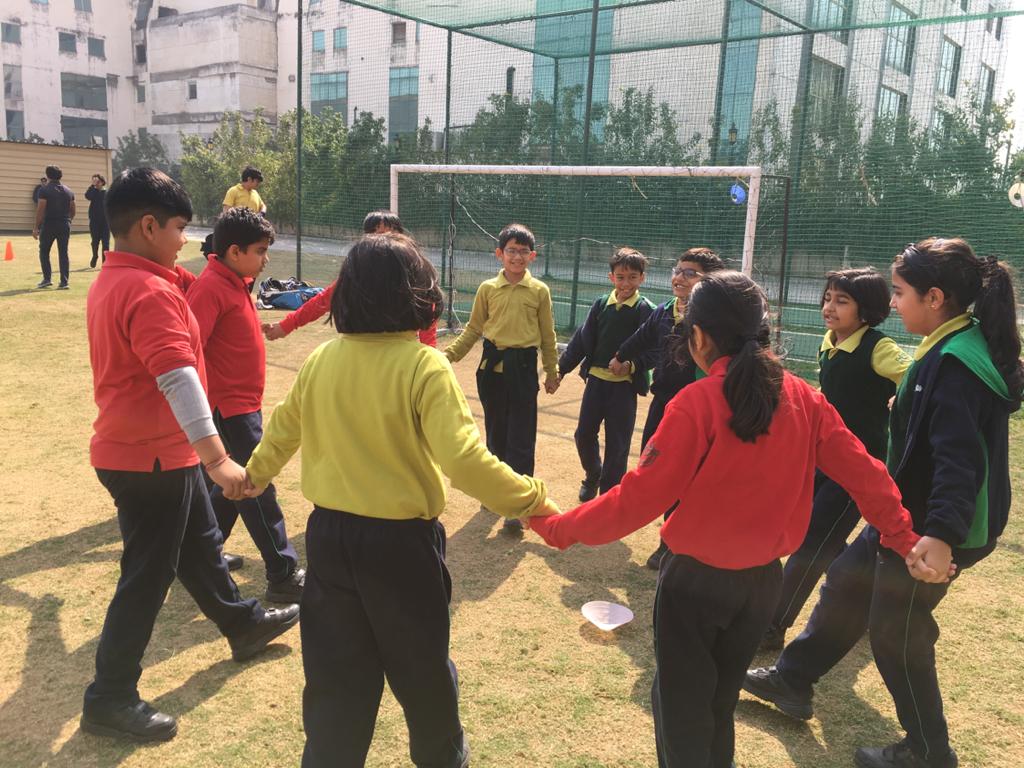
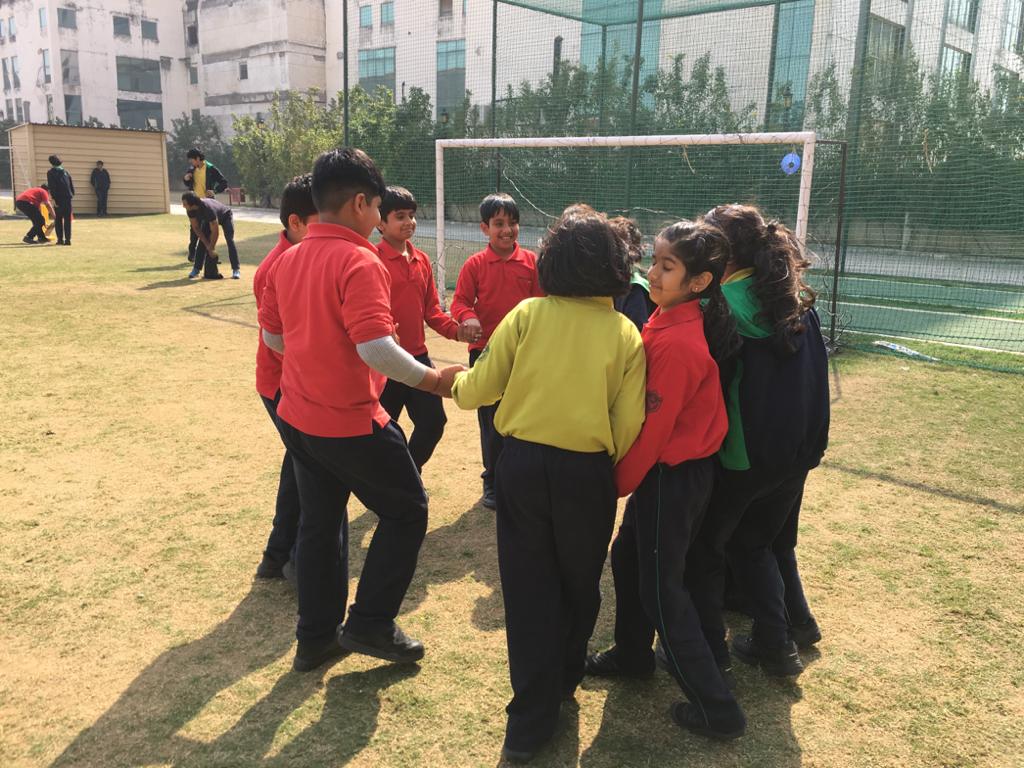
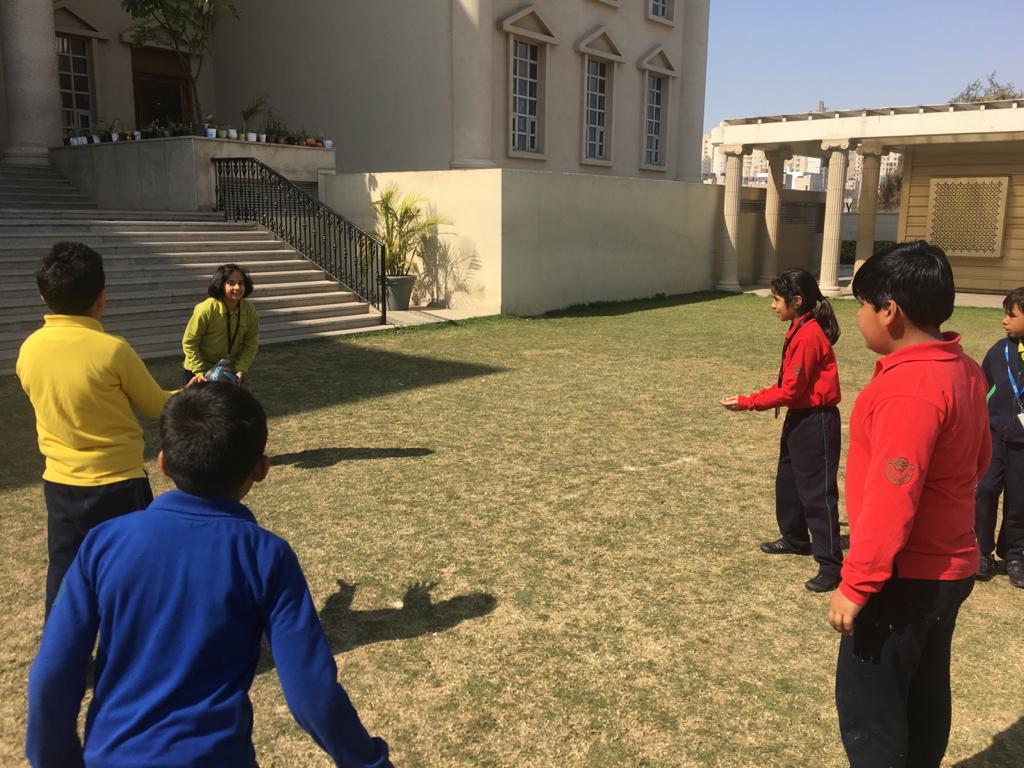
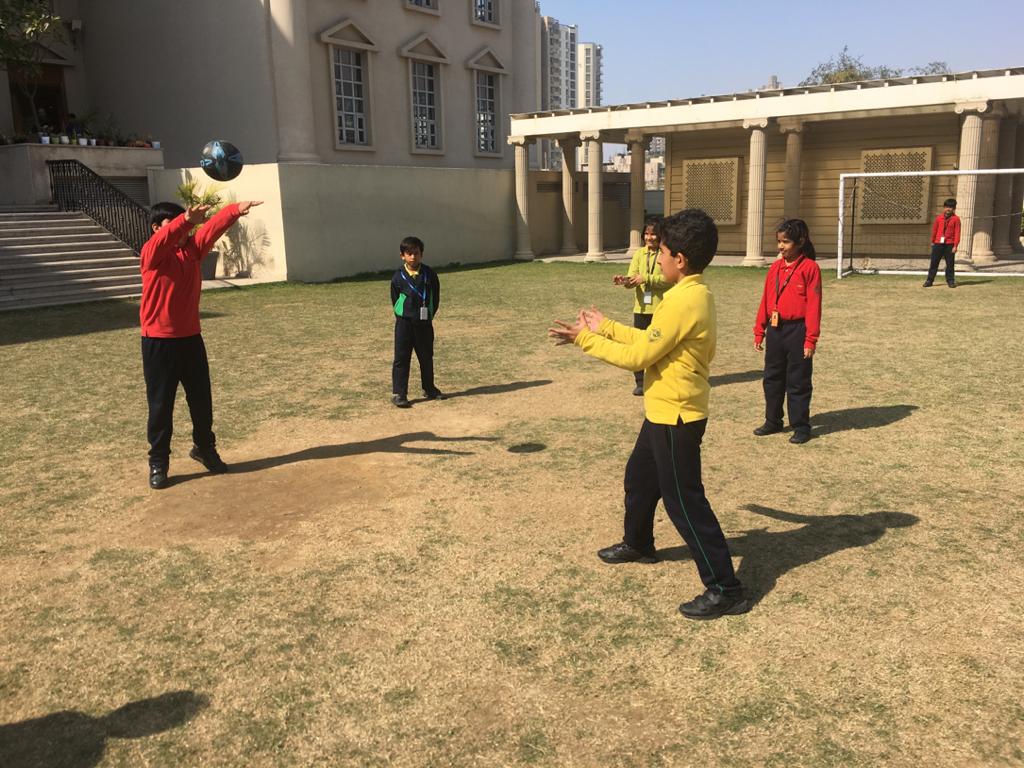
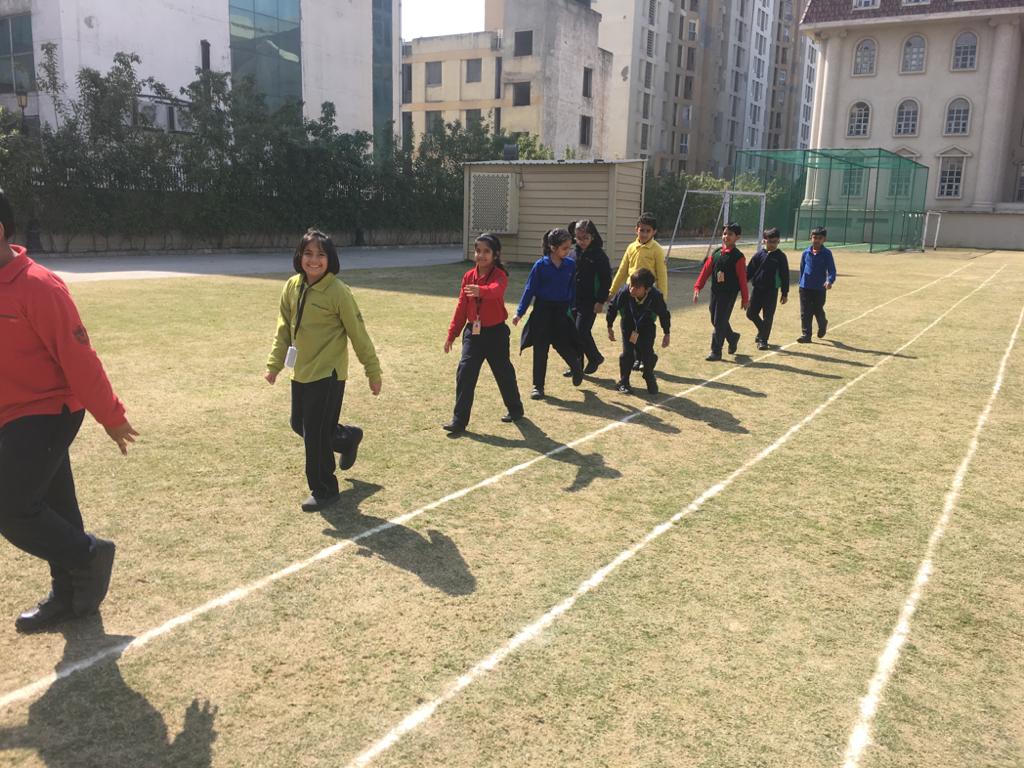
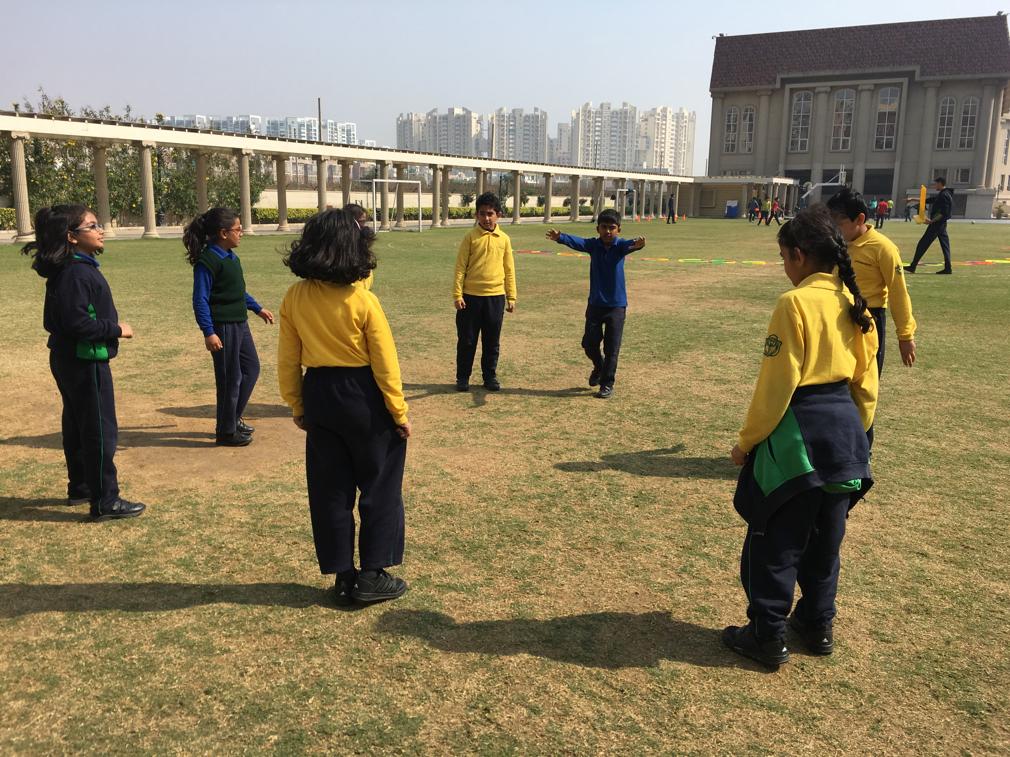
Students were introduced to throwing and catching, throwing while swinging the ball with both hands, stepping with the opposite foot as well as releasing the ball with two hands. They were made to practice ‘catching-stance’, catching a ball with both hands and dropping and catching a ball with two hands. They also played some recreational games.
Art
Students discussed how artwork could be created using different types of waste material. They have begun to collect various discarded plastic bottles which they will paint to convert into planters. This activity gave them the opportunity to develop their artistic skills as they were exposed to acrylic paints for the first time.
Dance
Lessons were focused on advanced workouts to improve posture and flexibility which included combinations of stretching, jumping, spotting and plies. A discussion was held on the different types of props which could be created using waste material for use by students during dance performances.
Music
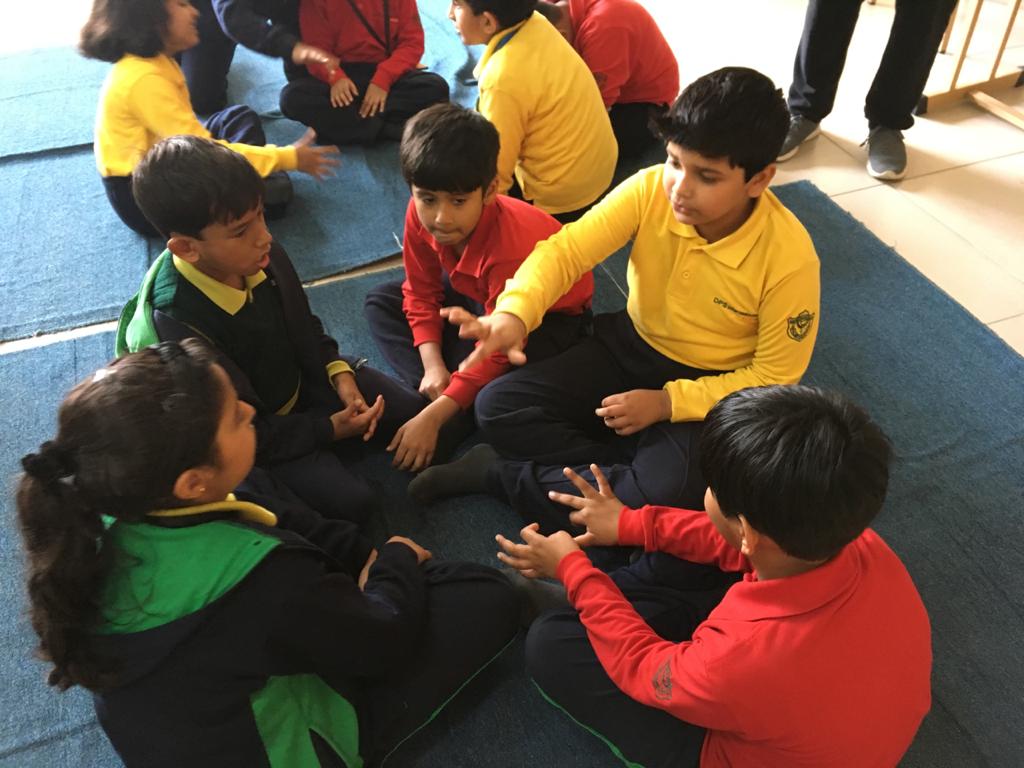
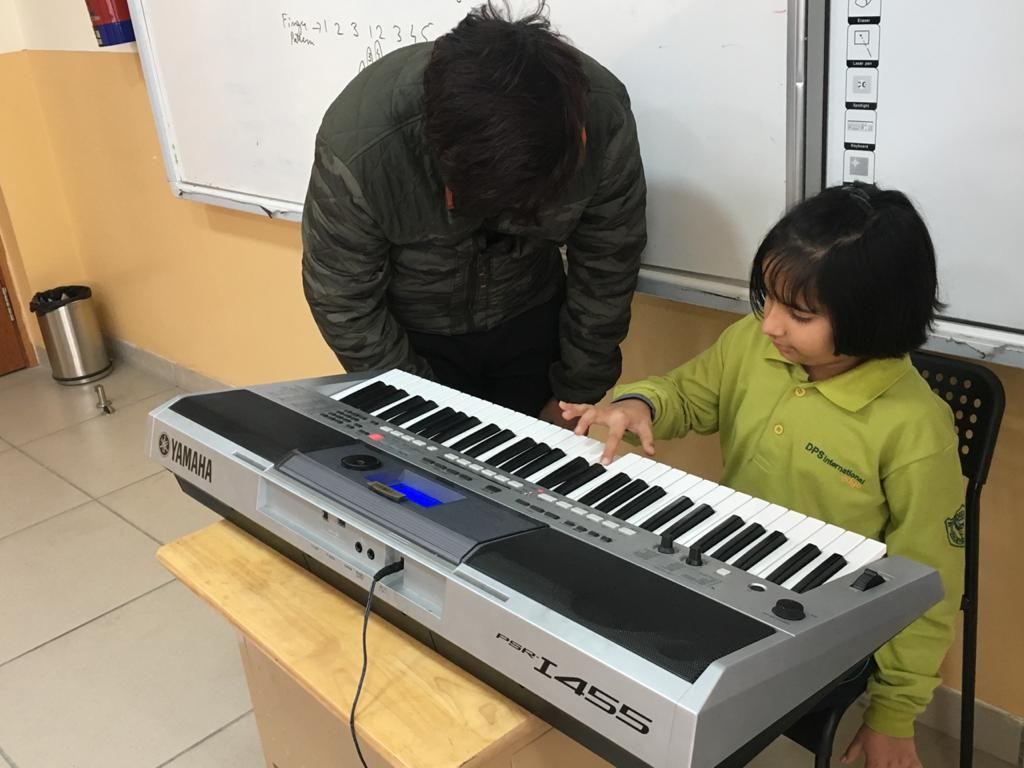
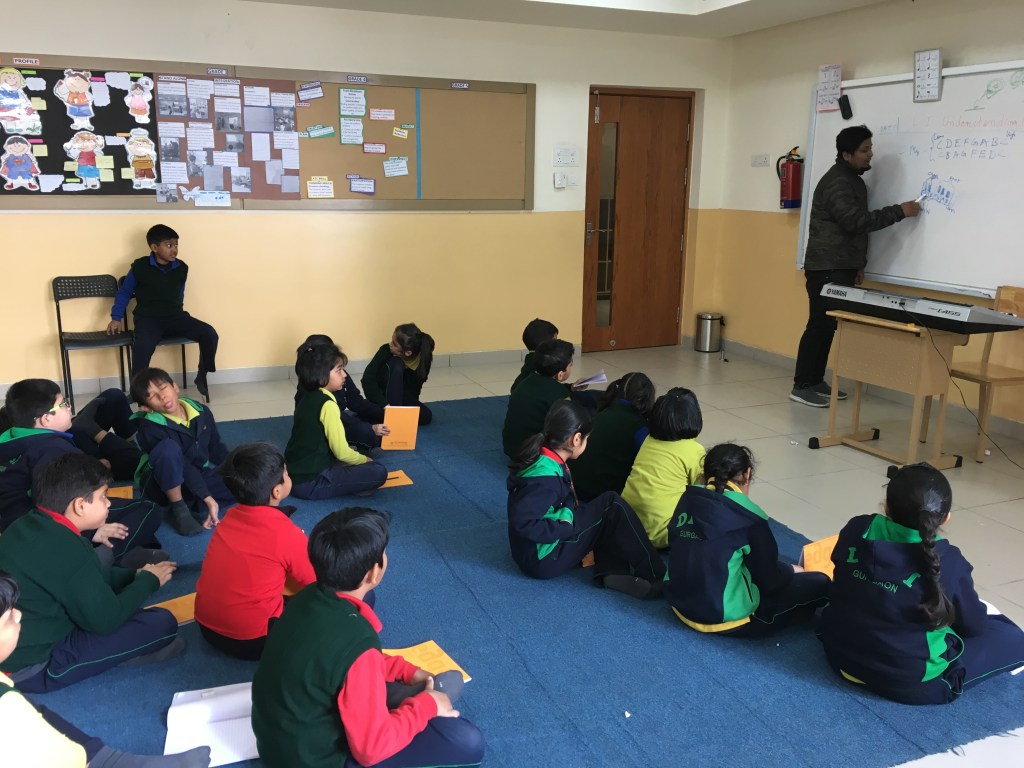
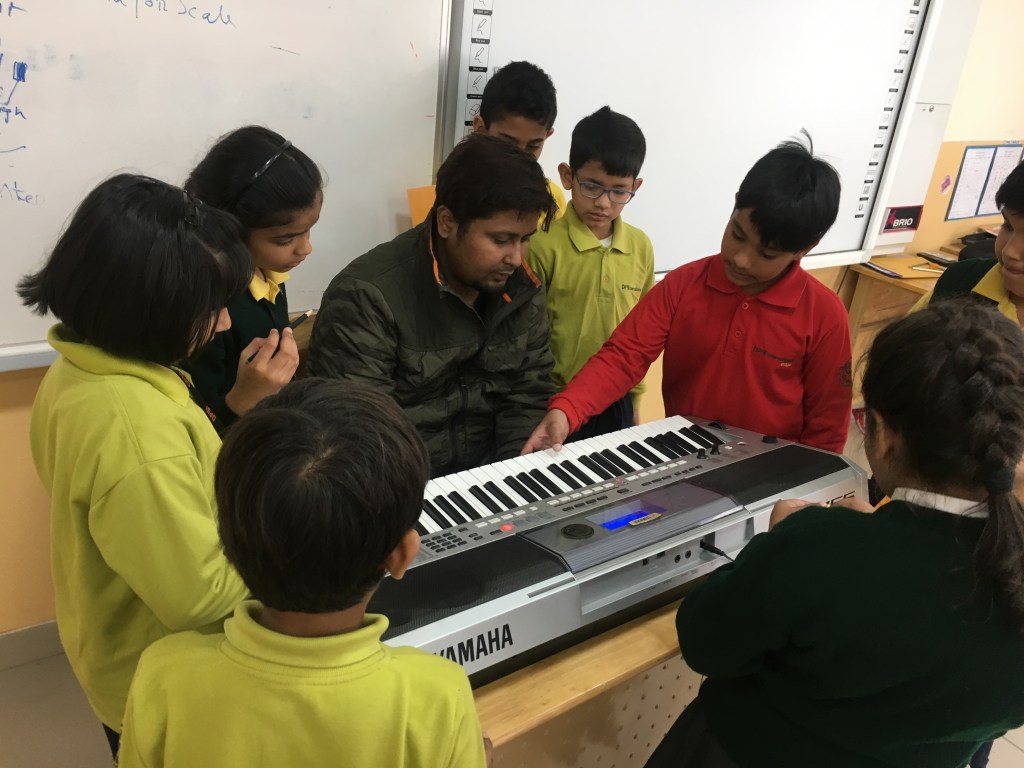
Students learned about the form and function of major scale. They also learned finger placement to play a major scale using their right hand on the keyboard. They learned and practiced playing a major scale on keyboard.
ICT
‘Safer Internet Day’ was celebrated to promote the safe and positive use of digital technology amongst children. Students watched a visual presentation on internet safety that was followed by a class discussion. They shared suggestions on how to be safe online and created a mind-map about the ‘Dos and Don’ts’ of staying safe on the internet while using an iPad app.
Students were informed about the impact of e-waste on the environment and our health and its appropriate management through visual presentations and several online reports. After that, they proceeded to write their reflections on Padlet.
SEL
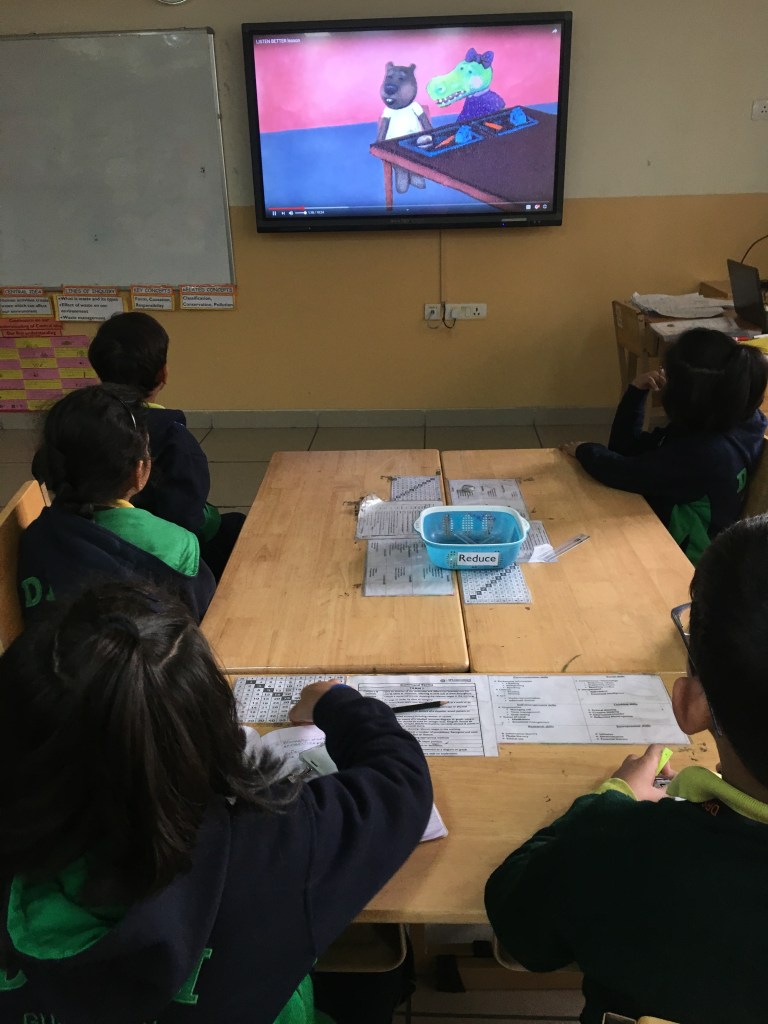
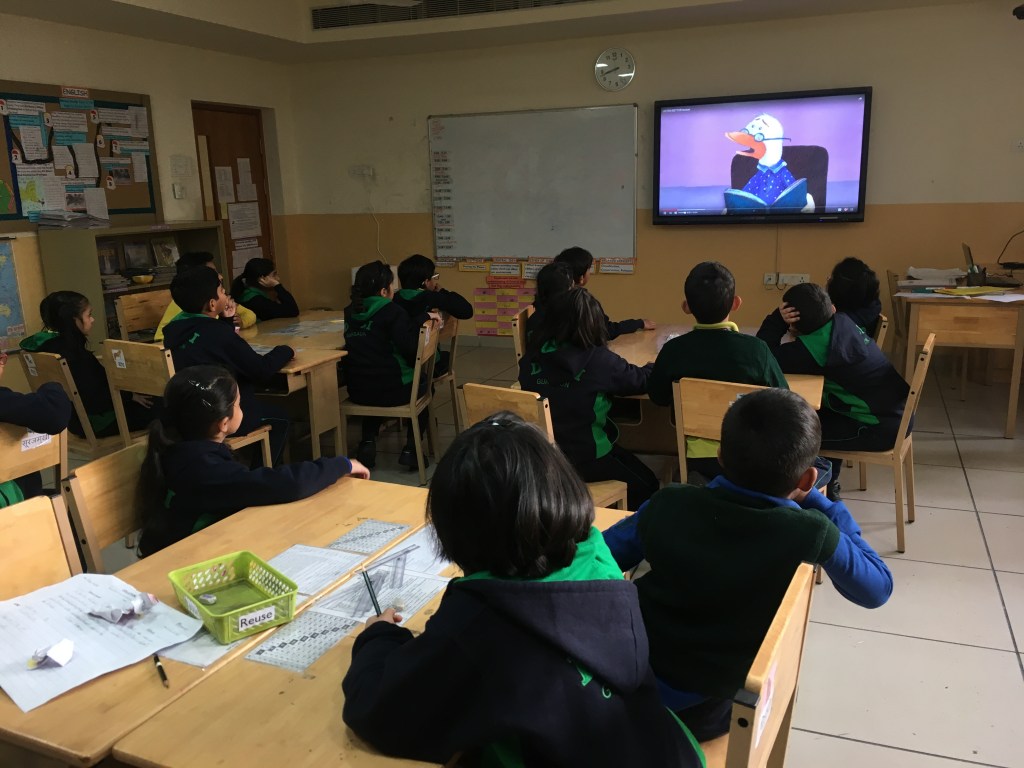
Reinforcement of the skill of self-control was reiterated through a video. This was followed by encouraging children to brainstorm and develop strategies on self-control in different scenarios through the application of the skill on a day to day basis. The students shared that the session empowered them to design a course of action on how self-control presents itself in the classroom, dining area and playtime.
Impulse Control
Activity 2 and 3 Reinforcement of the skill self-control through displaying video presentations in class(*link attached below), followed by encouraging children to brainstorm and develop strategies on self-control on different scenarios as discussed in the classroom through the application of the skill learned effectively on a day to day basis. The students shared that the session empowered them to design a course of action on how self-control looks like in the classroom, dining area, playtime.
*link of the video presentation- http://youtu.be/HH0rQiwKtSs
International Mother Language Day
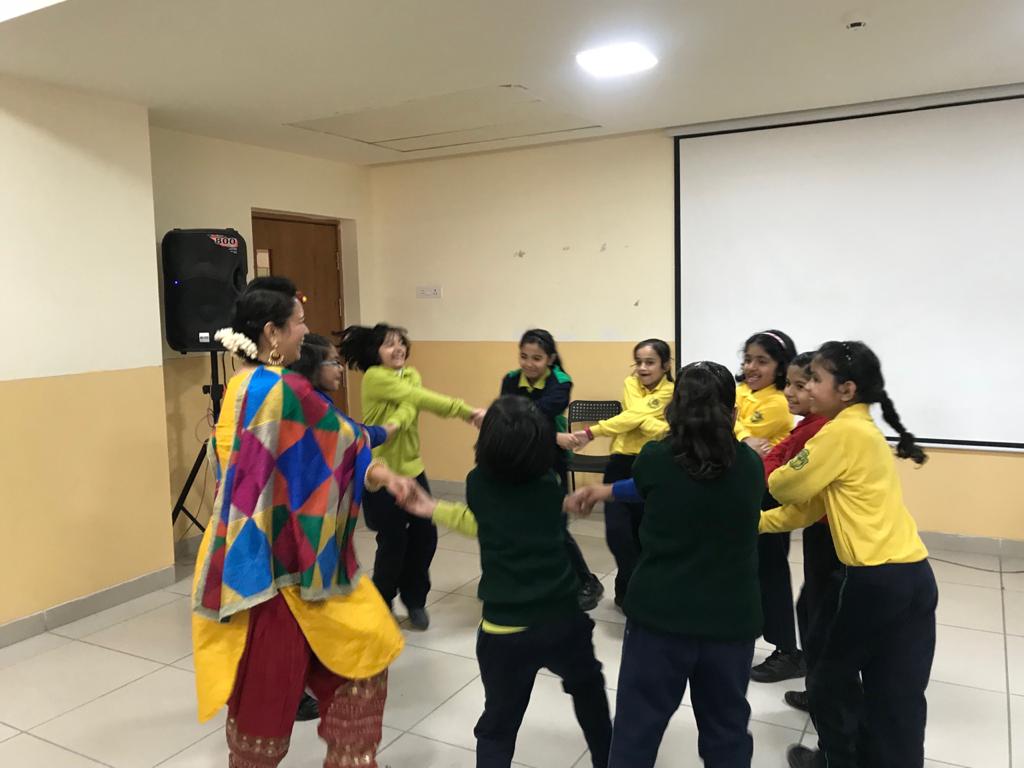
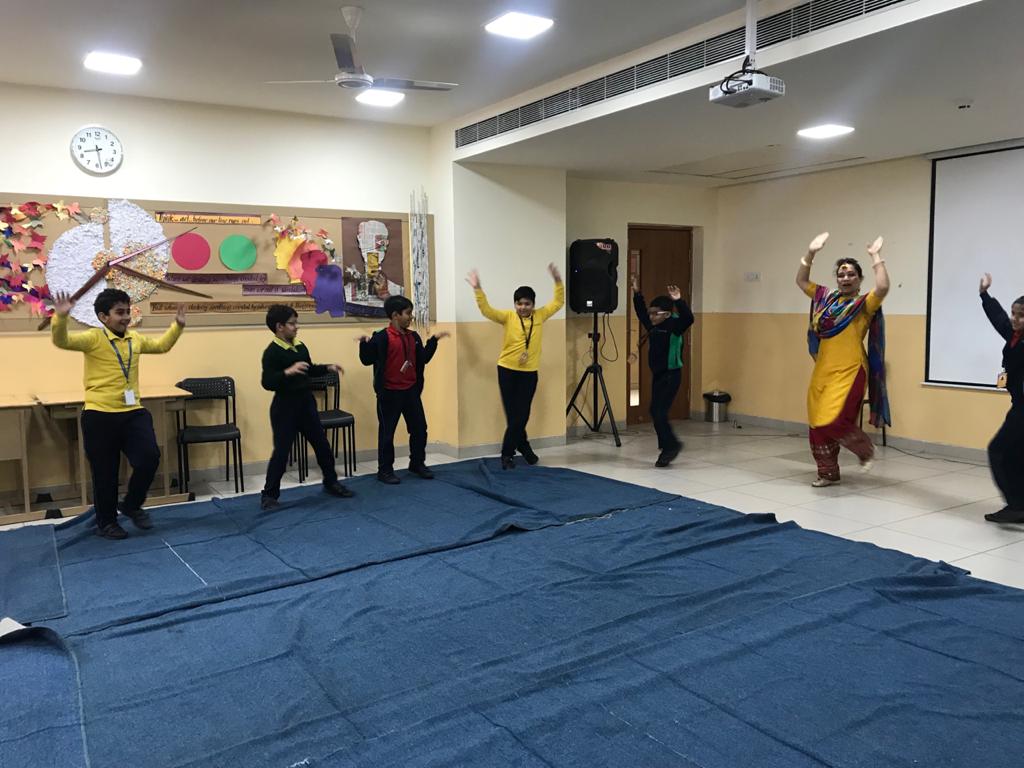
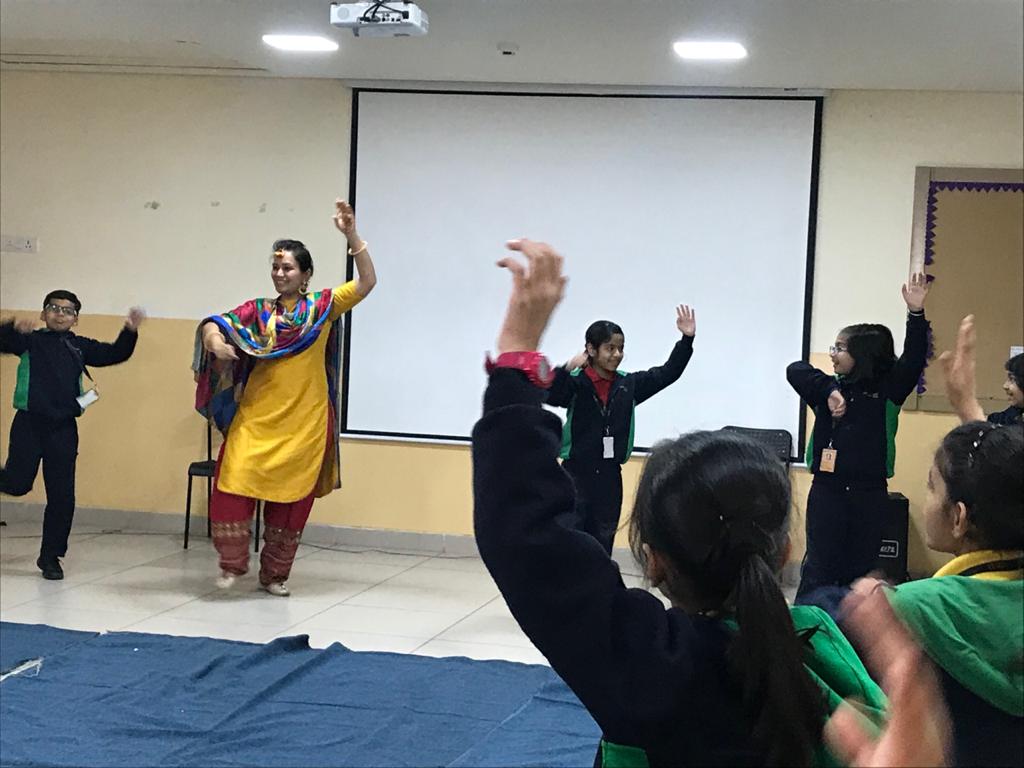
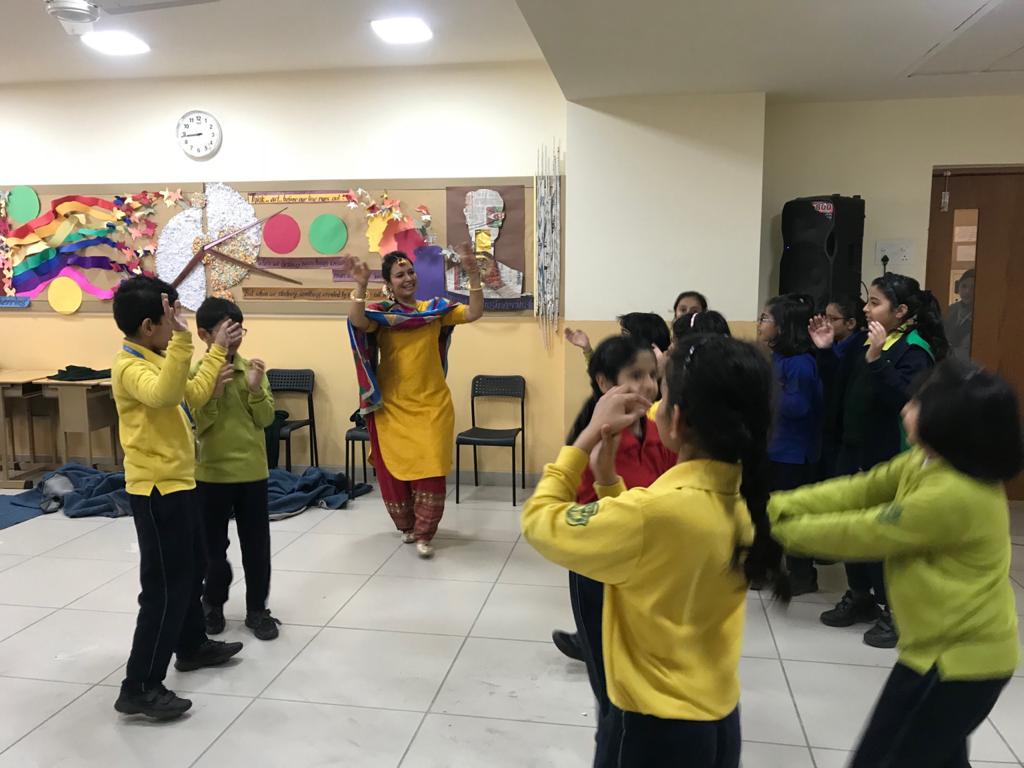
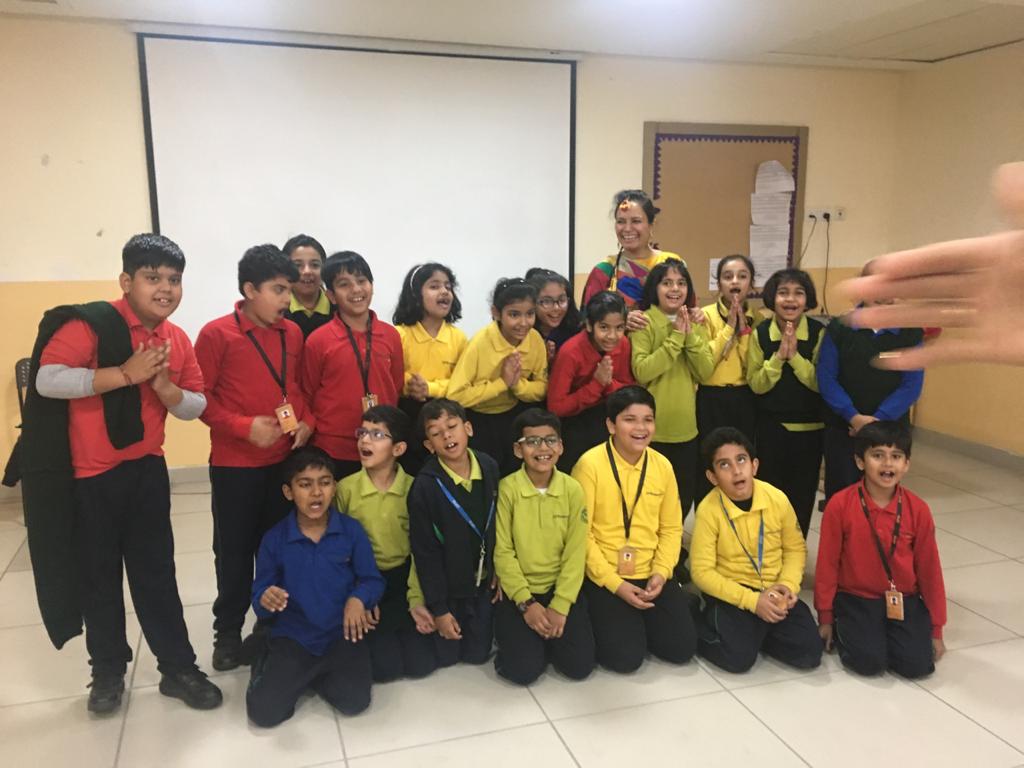
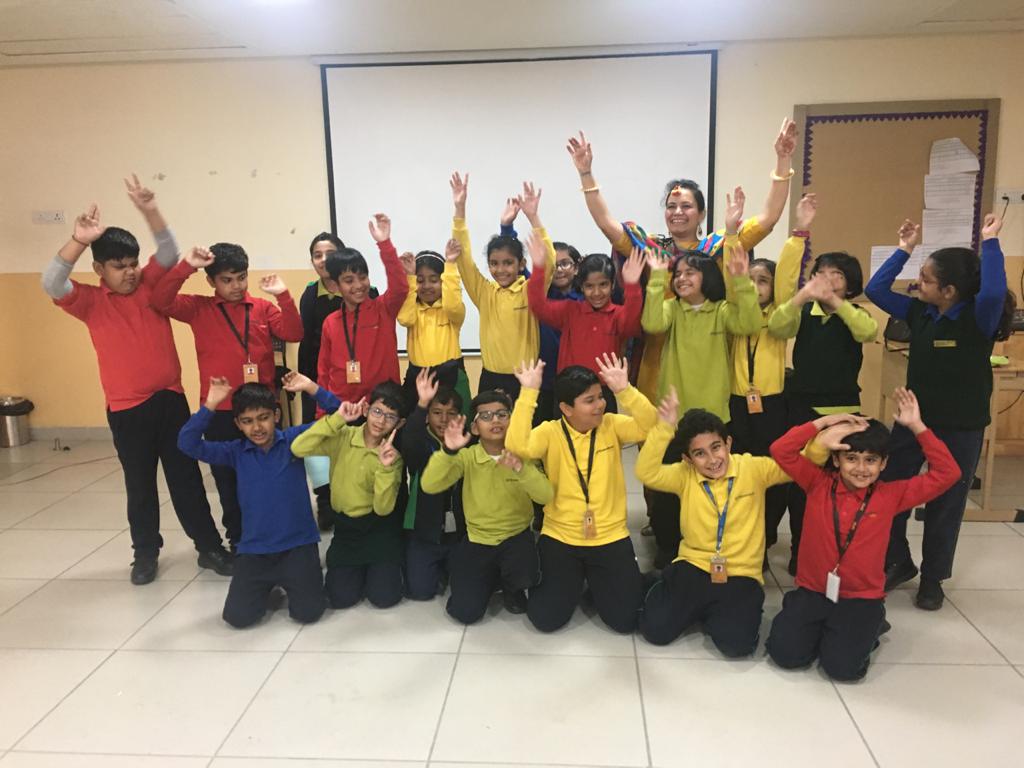
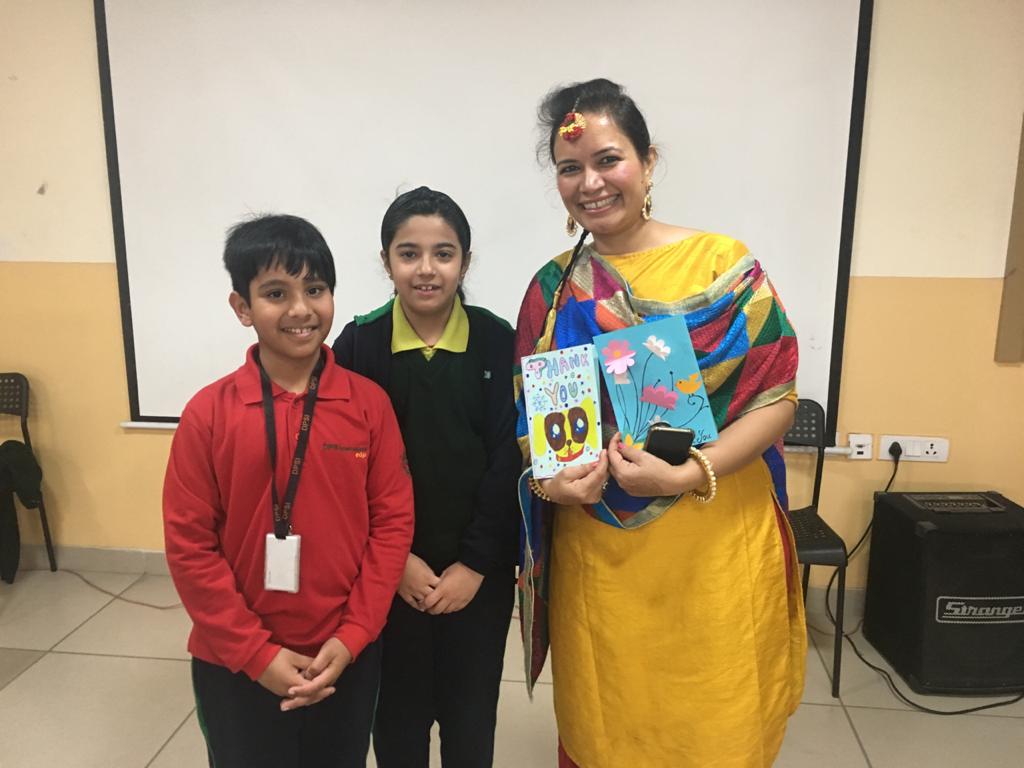
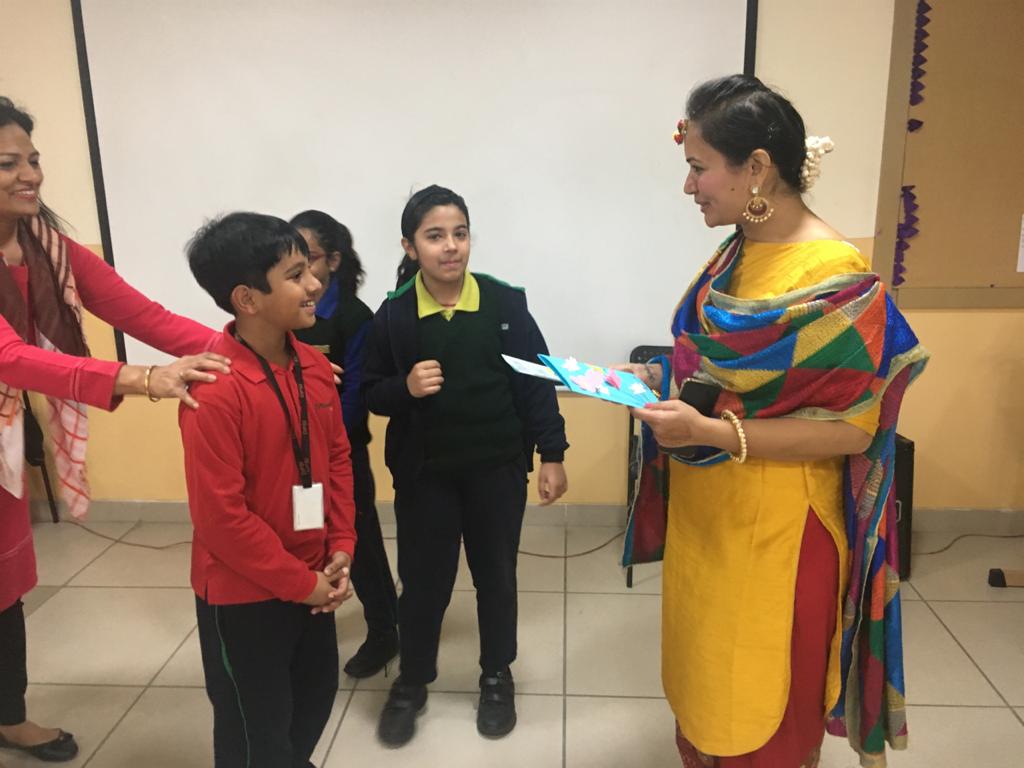
We all in grade 3-C were excited to have the parent volunteer Ms.Niti Dhingra parent of Samaira Dhingra who conducted a session on Punjabi culture.She spoke in punjabi dialect and told students about punjabi attire. She also taught students dance steps from punjabi dance form-bhangra, giddha and kikli. Students were very excited to learn the dance steps and they had a lot of fun.
 Grade 3c