Students at school enjoy taking part in various initiatives rooted in the firm belief that every individual action can make a difference. The Eco club is a hands on project that involves each child in the task of caring for the environment. While reinforcing sustainability this drive has gone one step further by placing cartons in the school corridors for recycled paper, newspapers and even upcycled clothes that are put to good use later.
Regular Hindi lessons encourage students to converse with each other; keeping ten minutes for speaking only in the vernacular language brings joy and builds interest. Being fluent in a language requires motivation and appreciation for the effort to draw on vocabulary that shuns the use of words that do not belong to the one being spoken….. difficult but not impossible!
Unit of Inquiry
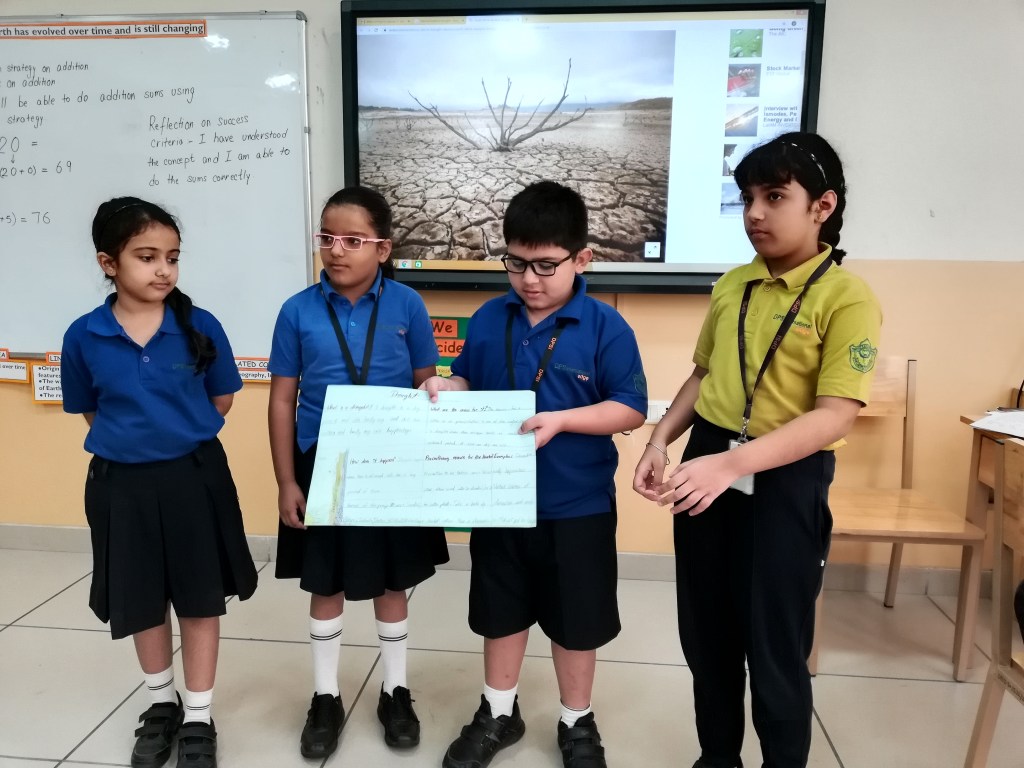
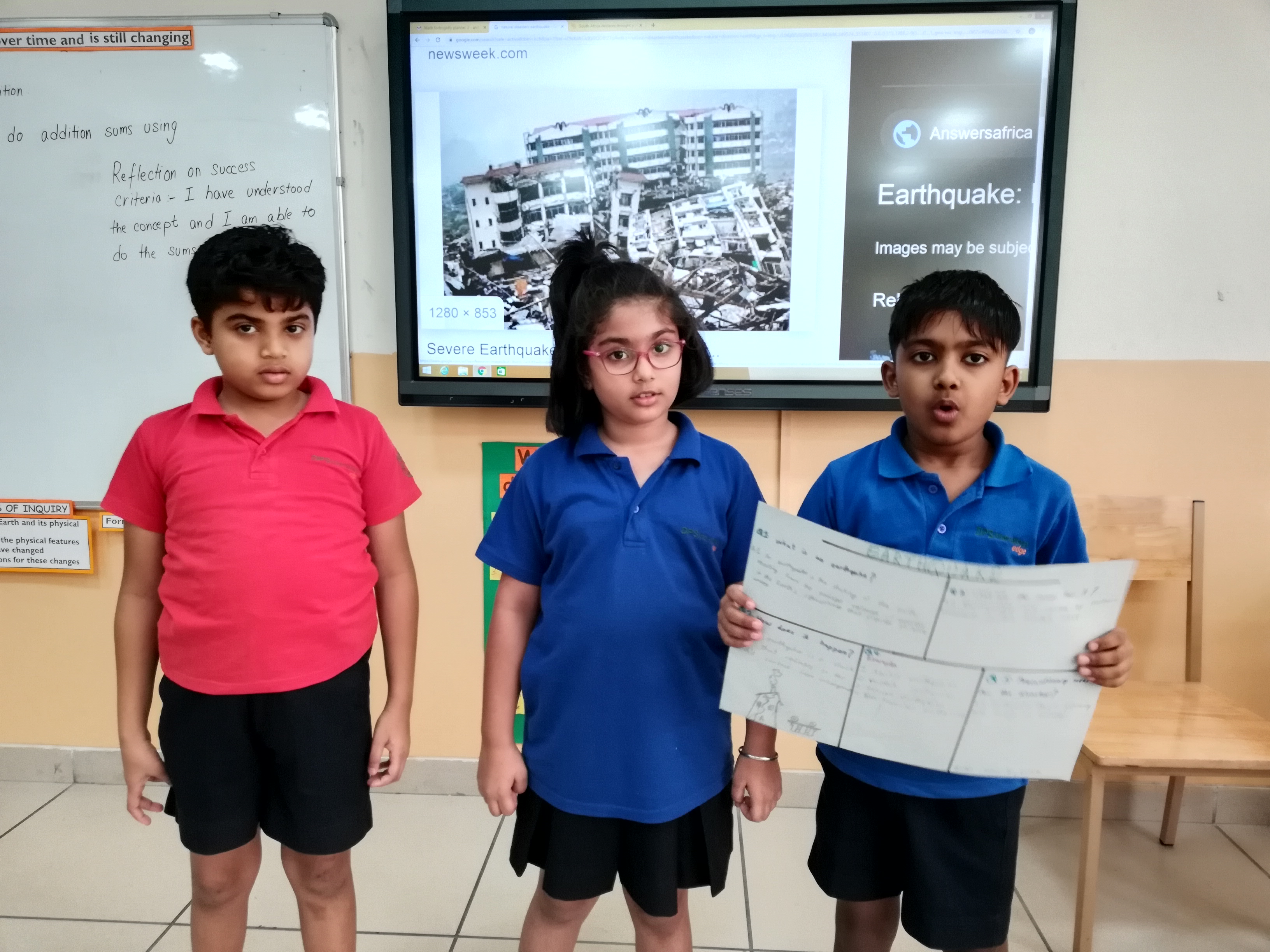
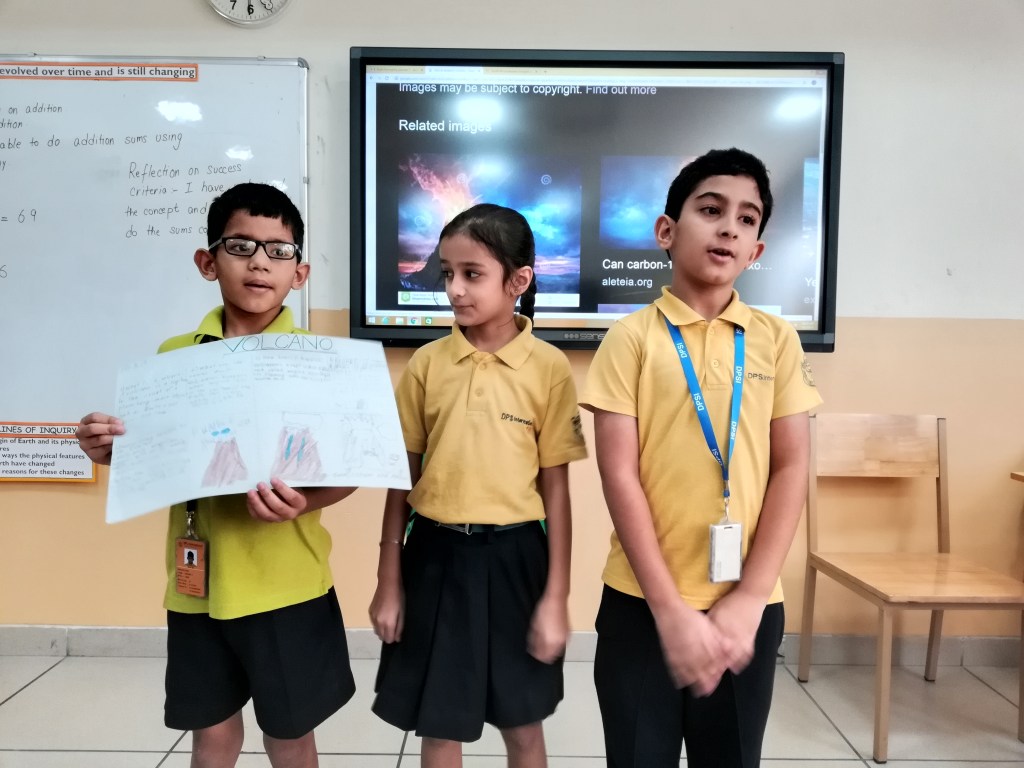
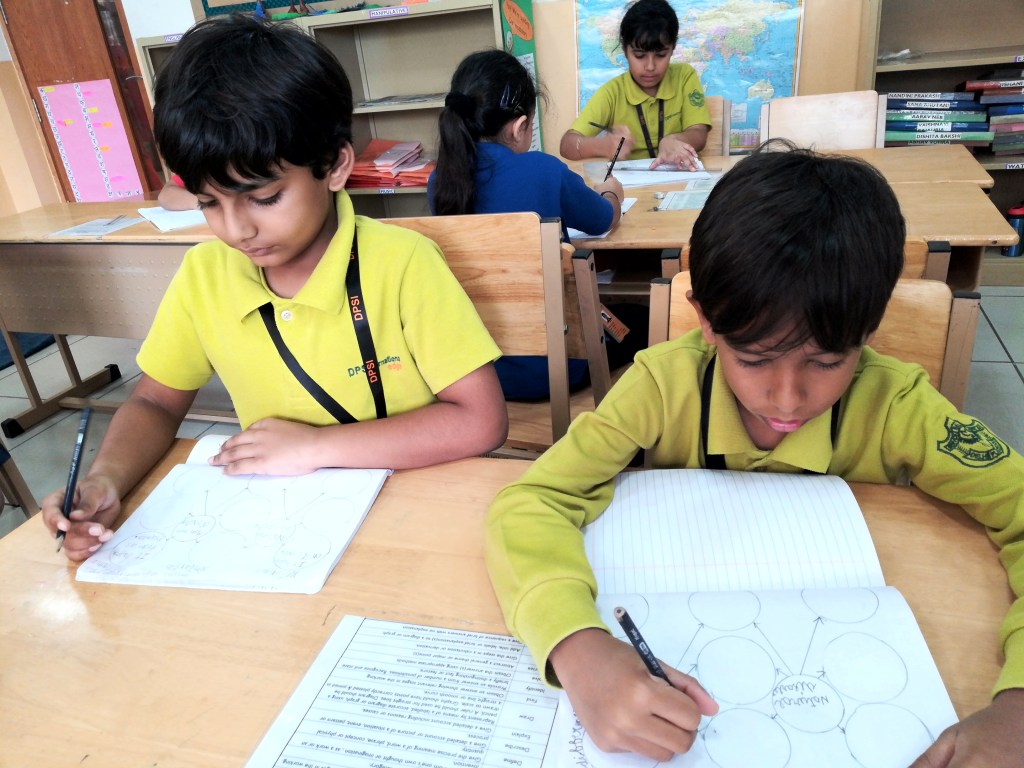
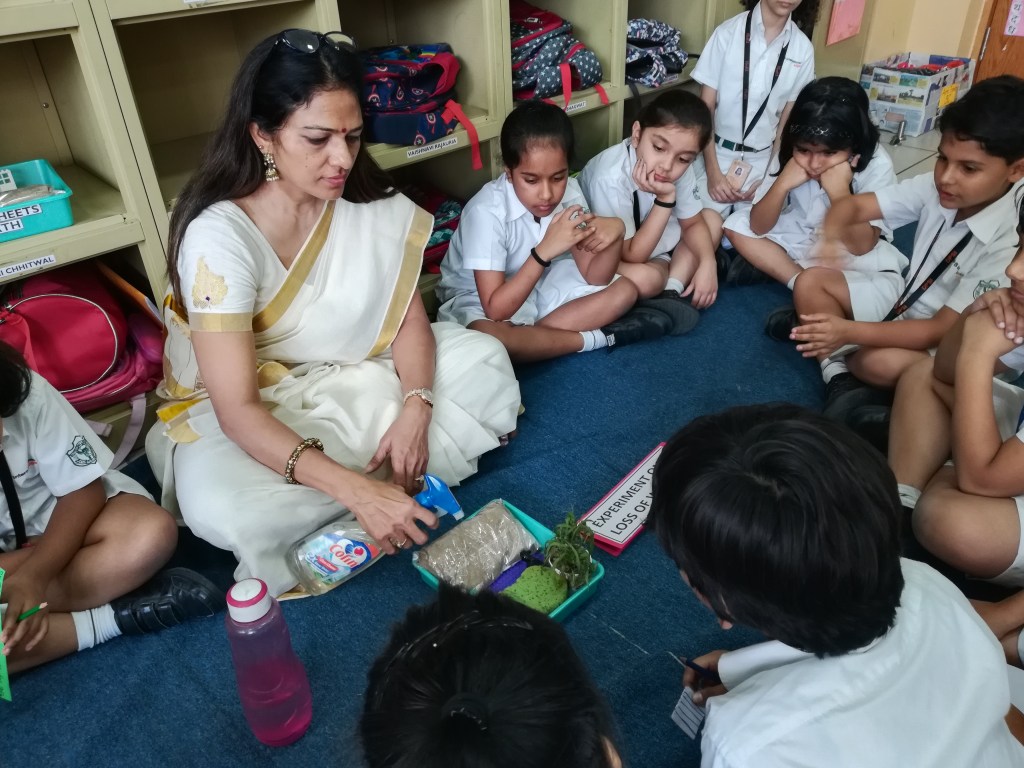
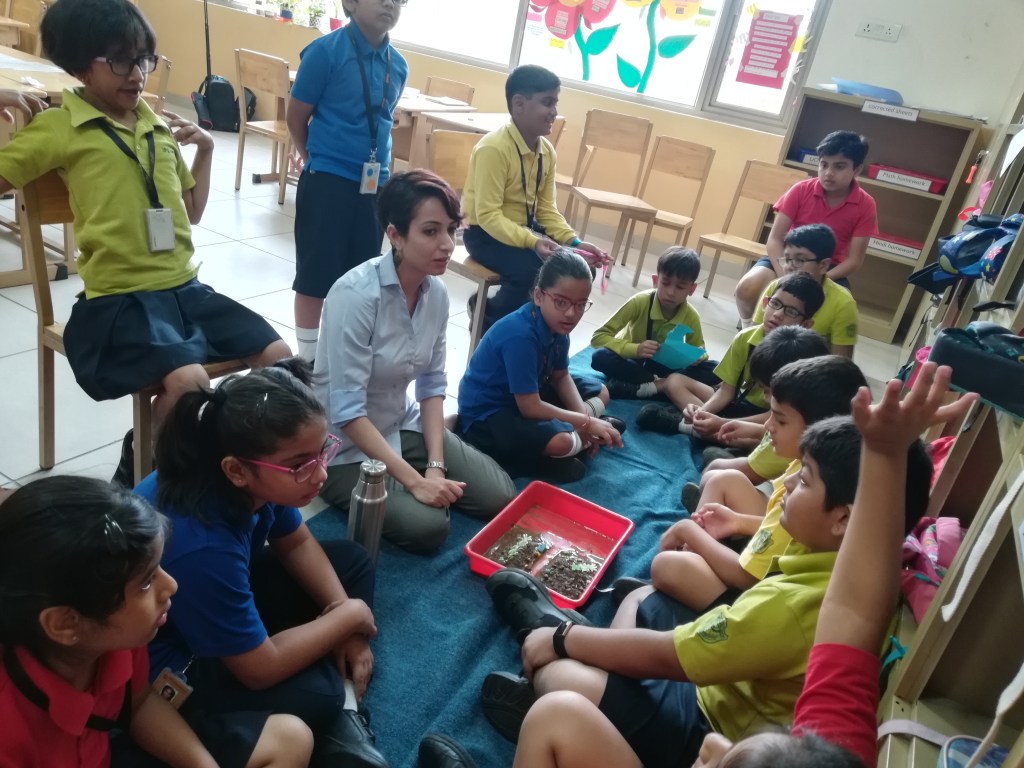
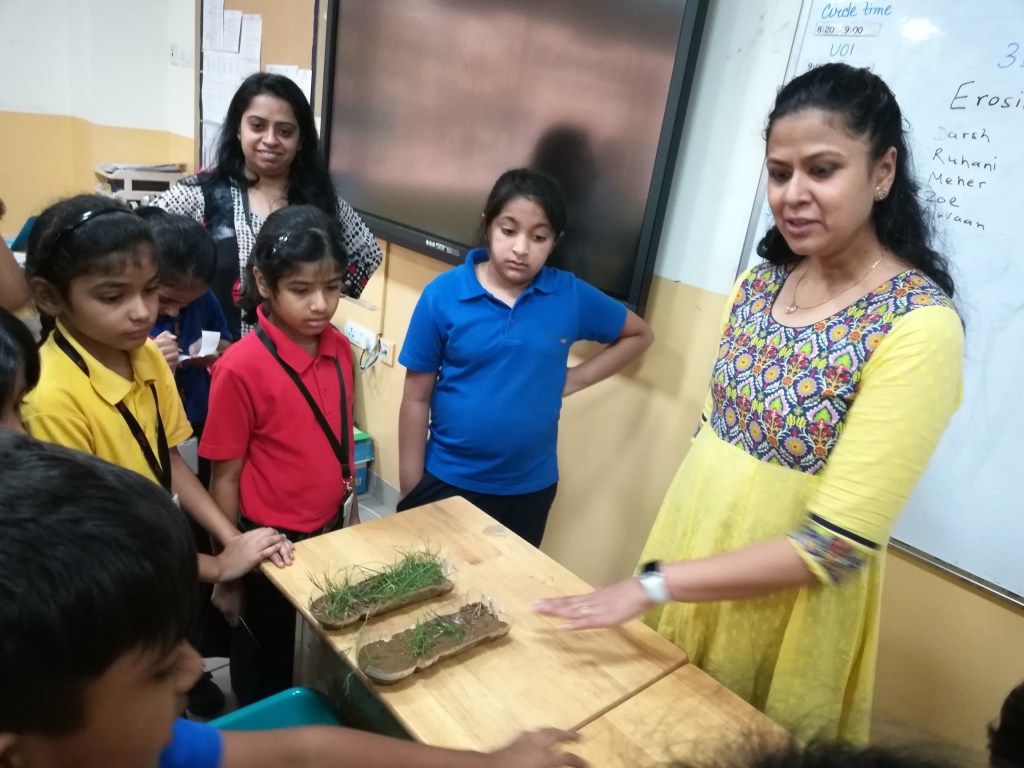
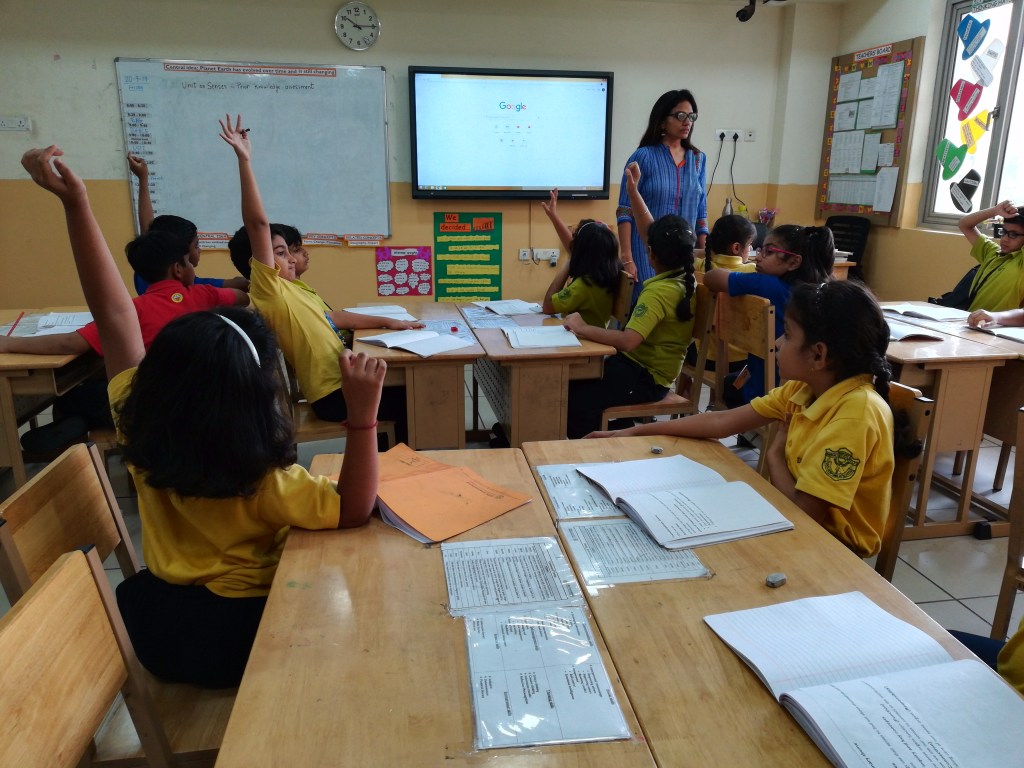
The week began with an interesting discussion on natural and manmade disasters. By employing the ‘double bubble’ map and T-chart, students compared the two and explored different ways on how humans are responsible for global warming. A discussion with Ms. Sutanuka Bhattacharjee on the recent fires in the Amazon was an initiative in this direction. The class deliberated on the session by applying a visible thinking strategy ‘Zoom in’ and keenly observed different experiments on soil erosion, weathering, deposition and loss of wetlands. They then demonstrated their understanding of the topic using the ICT tool ‘Flip grid’ and summed up their learning by using the fishbone strategy.
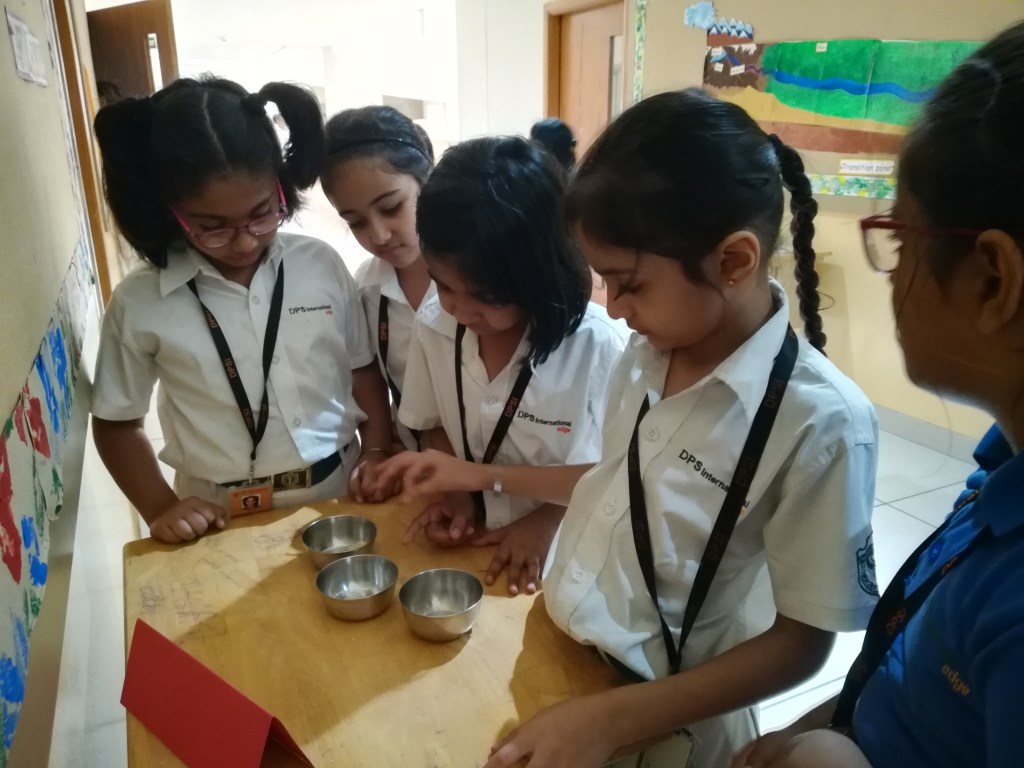
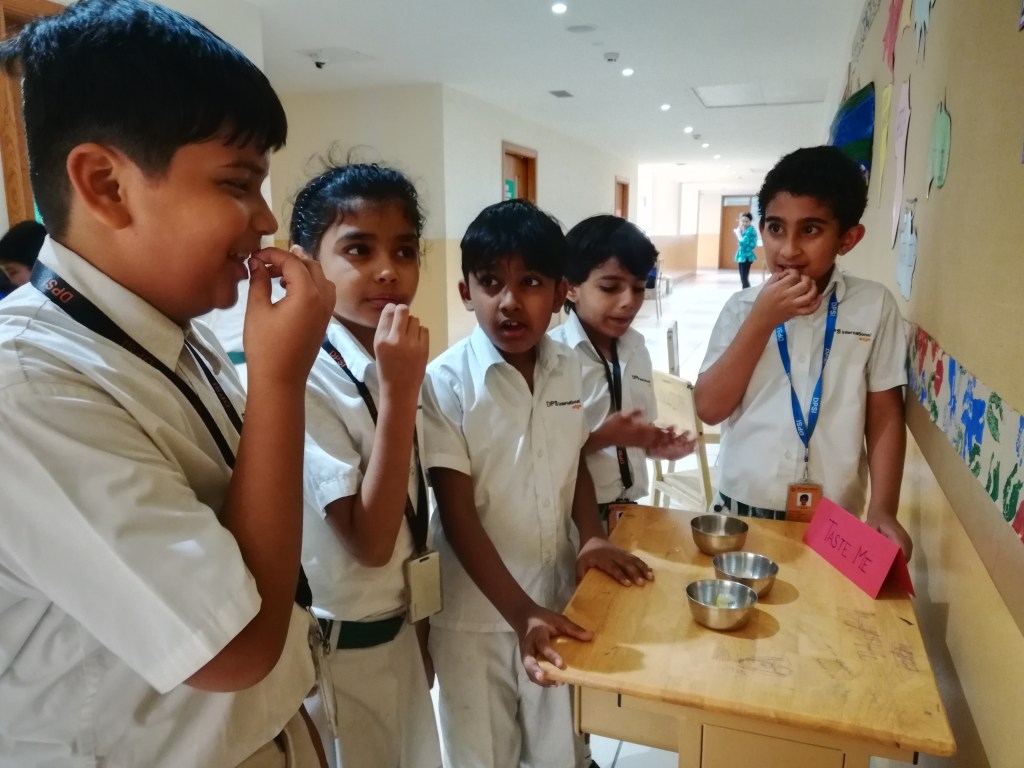
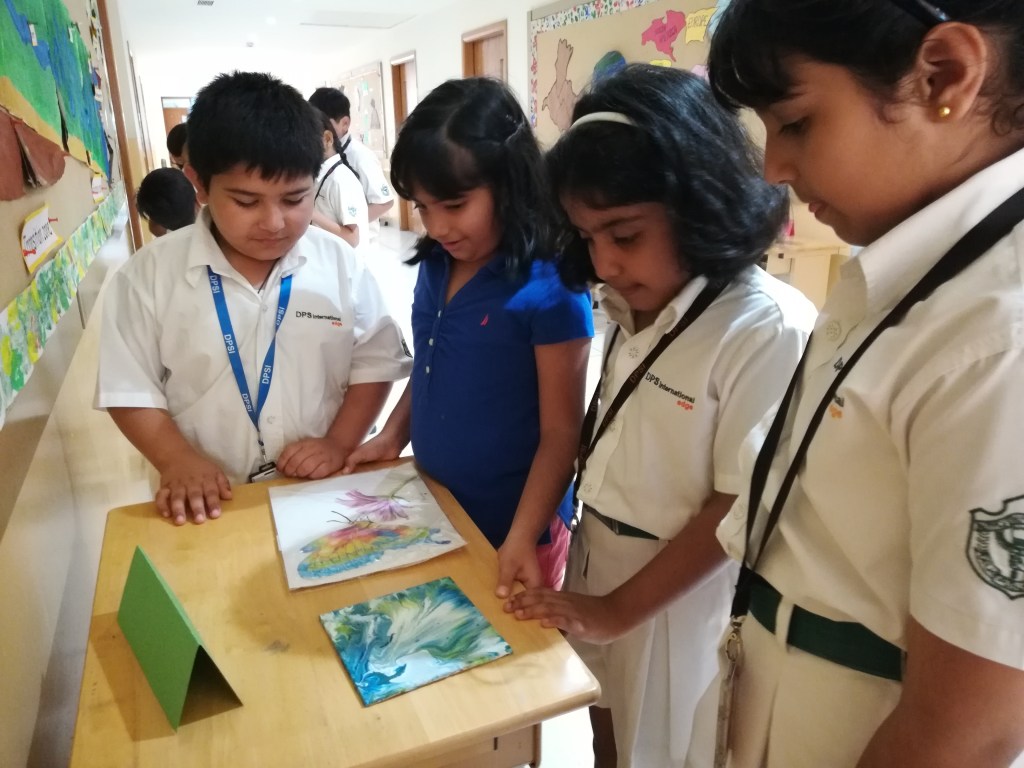
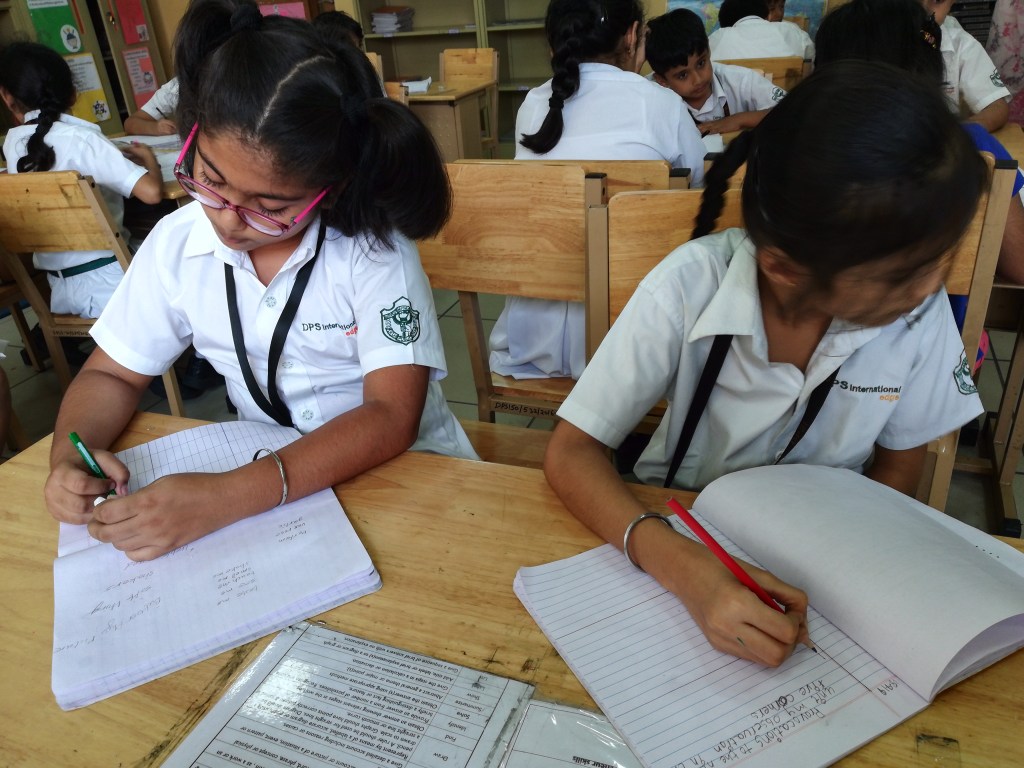
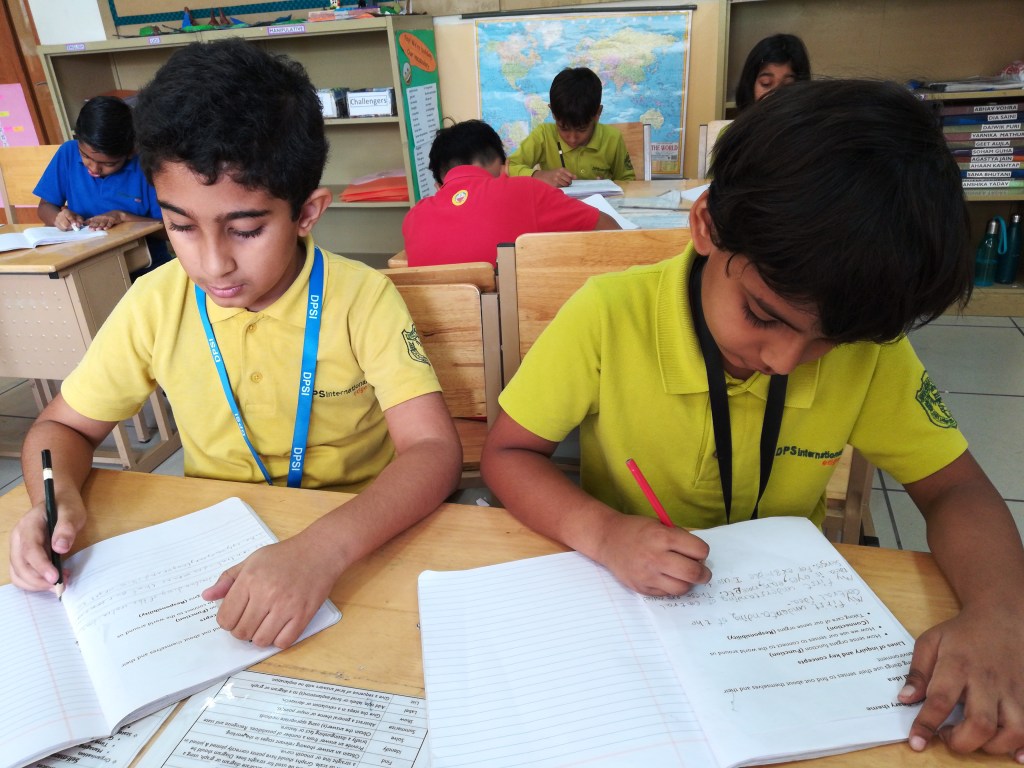
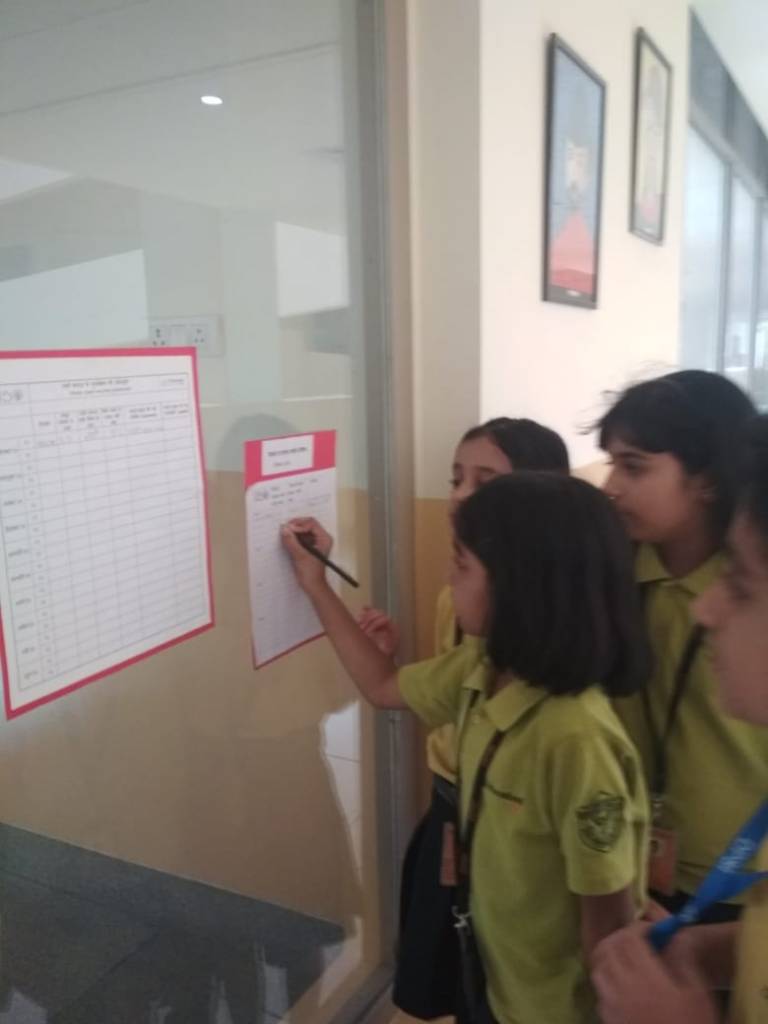
The students then geared up for the provocation of the new unit by using the ‘I see I think I wonder’ visual thinking routine by exploring different stations with items related to senses. They used their thinking skills to write what they thought about the new unit and exchanged information to identify key words to understand the central idea.
Natural and man made disasters
Mathematics
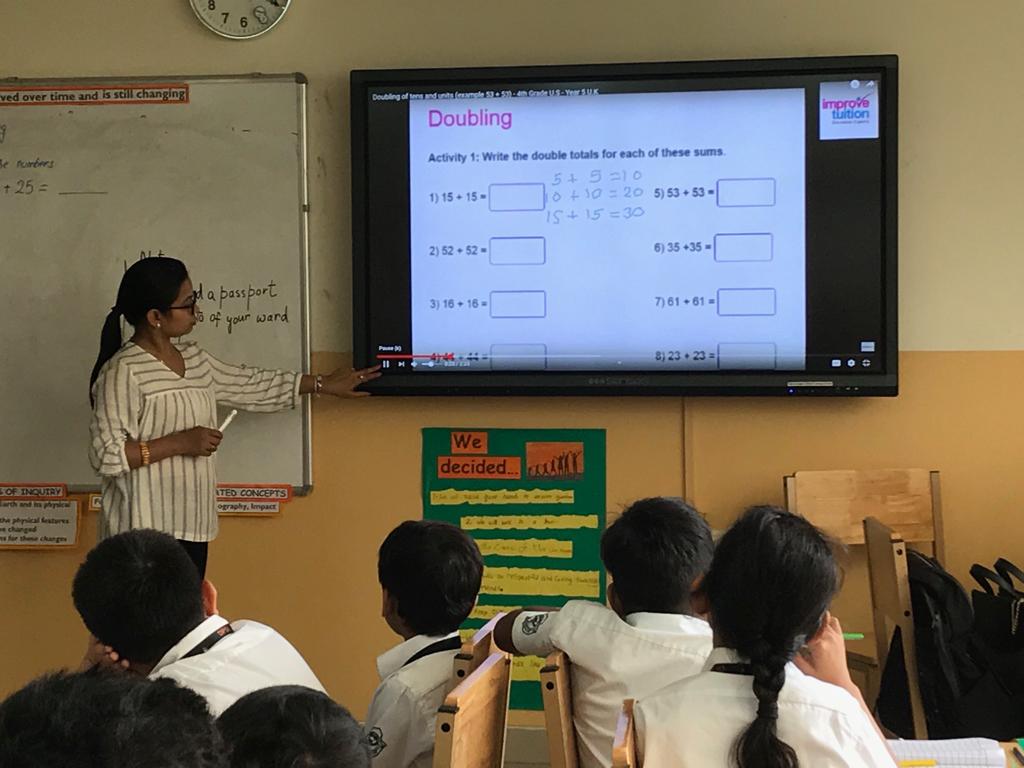
The new week began with students revisiting different properties of addition and mental math strategies. They were keen to learn the concept of doubling through a ‘think, puzzle and explore’ strategy. The CUBES strategy was discussed in pairs which was followed by creating and assessing each other’s word problems. By using the ‘Traffic light’ visual thinking routine students reflected on their understanding of the properties of addition, doubling, mental math and word problems. They were also introduced to the compensation approach for addition and word problems.
English
In order to integrate with the current unit, students studied a few pictures using the visible thinking routine ‘Explanation game’. They were introduced to the concept of a thank you note and its importance and then framed the same for planet Earth. They also revisited the concept of articles and their usage by framing meaningful sentences. The class prepared and presented a ‘take and talk’ on landforms as well.
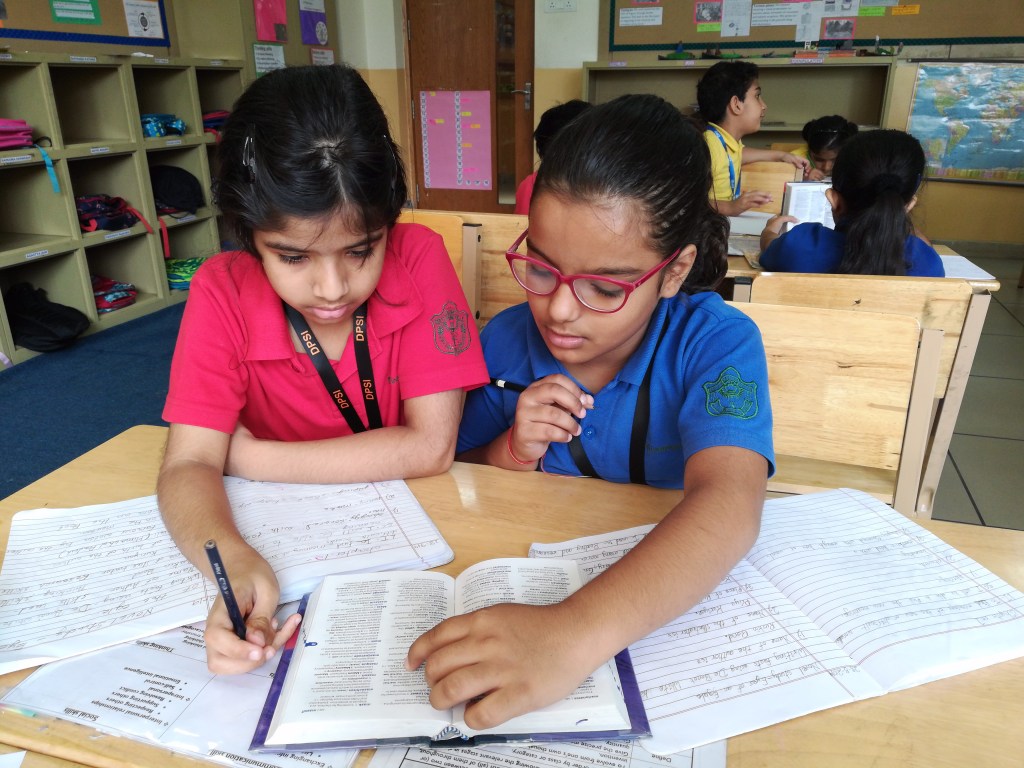
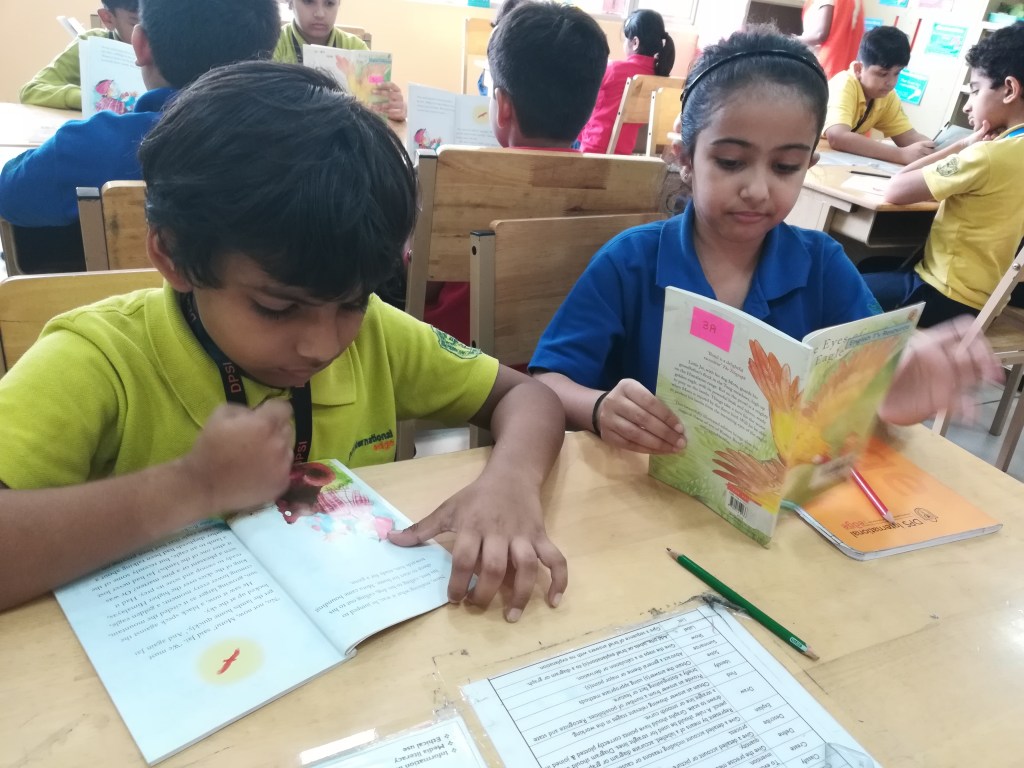
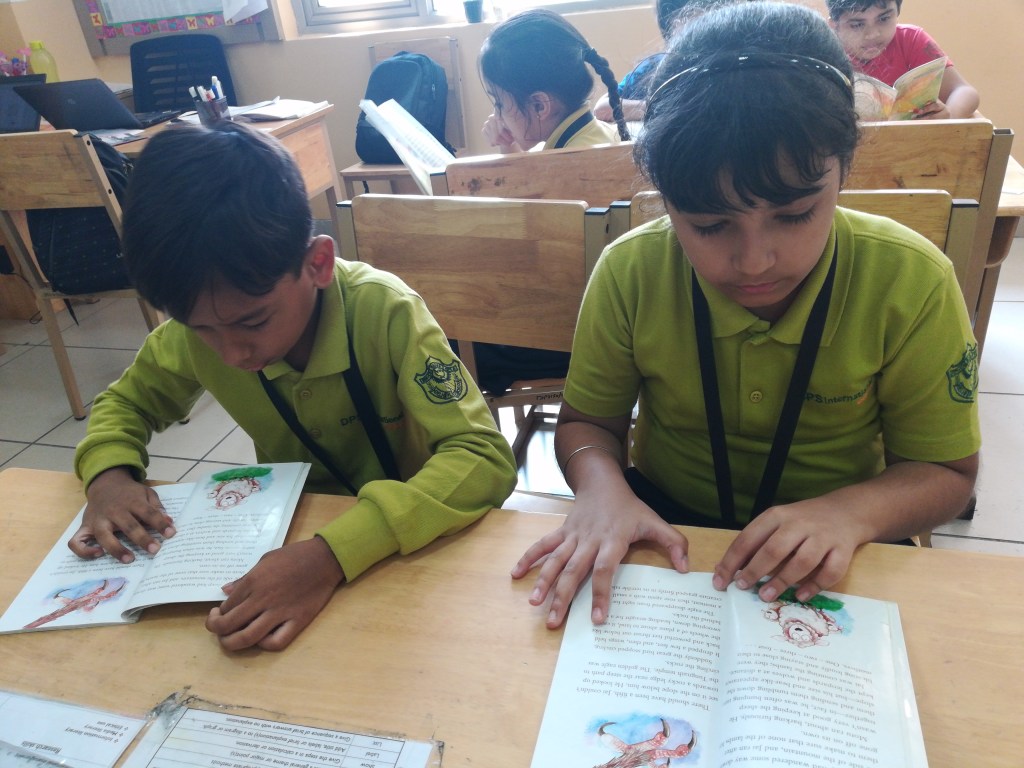
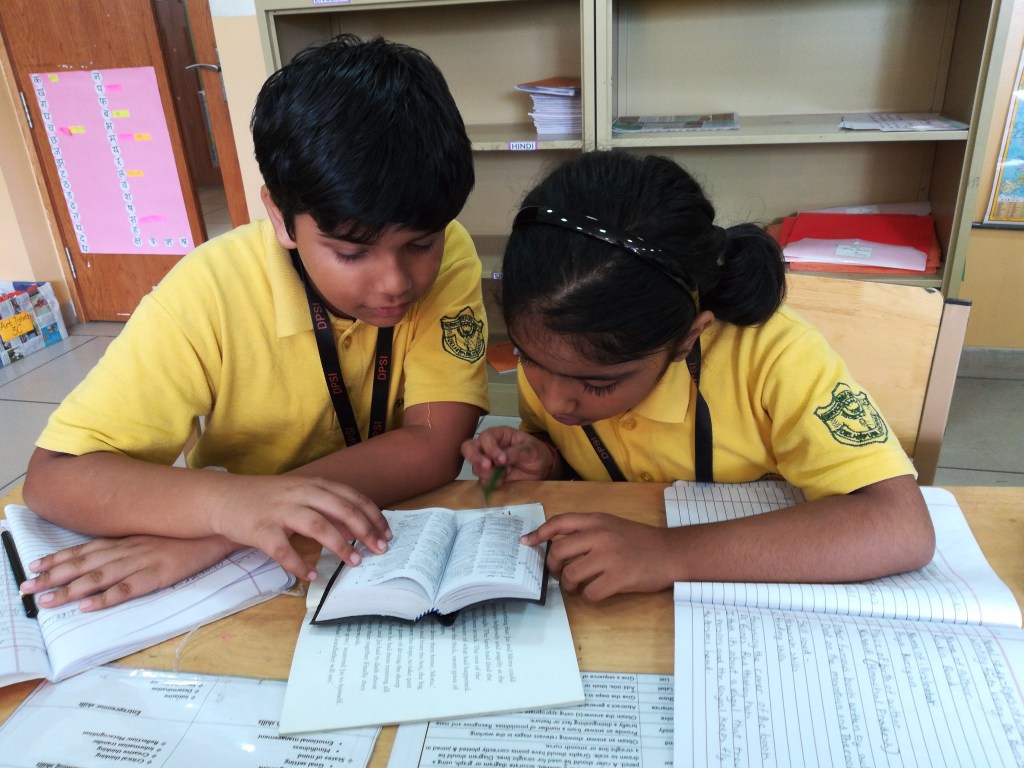
Students read the first chapter of the novel “The Eyes of the Eagle’ and identified unfamiliar words from the chapter. They used a dictionary to find the definition of those terms and noted them in their journals. As part of their reading assessment, students were given books about senses from the class library and were asked to read a segment each.
Hindi
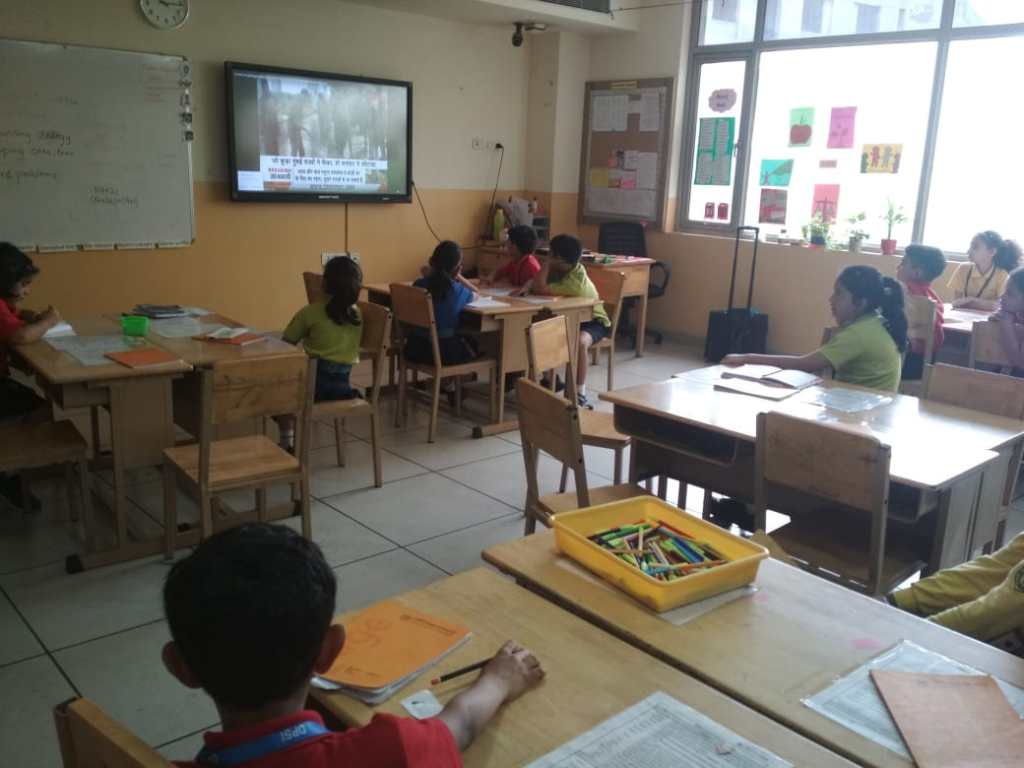
In their Hindi lessons, students watched news segments on water pollution, ’तेरा कचरा तुझको अर्पण’ and attempted a ‘Listen and Tell’ activity. They celebrated ‘Hindi Diwas’ based on the theme ‘Sustainability’ where students initiated a movement to save paper and will take the initiative to audit wastage and recycling throughout the year. They also read the story ‘मिनामाटा की कथा’ (Minamata kee Katha) and enhanced their reading skills. Later, a ‘Chalk and Talk’ activity was performed where questions were framed and discussed with classmates.
Hindi ab-initio
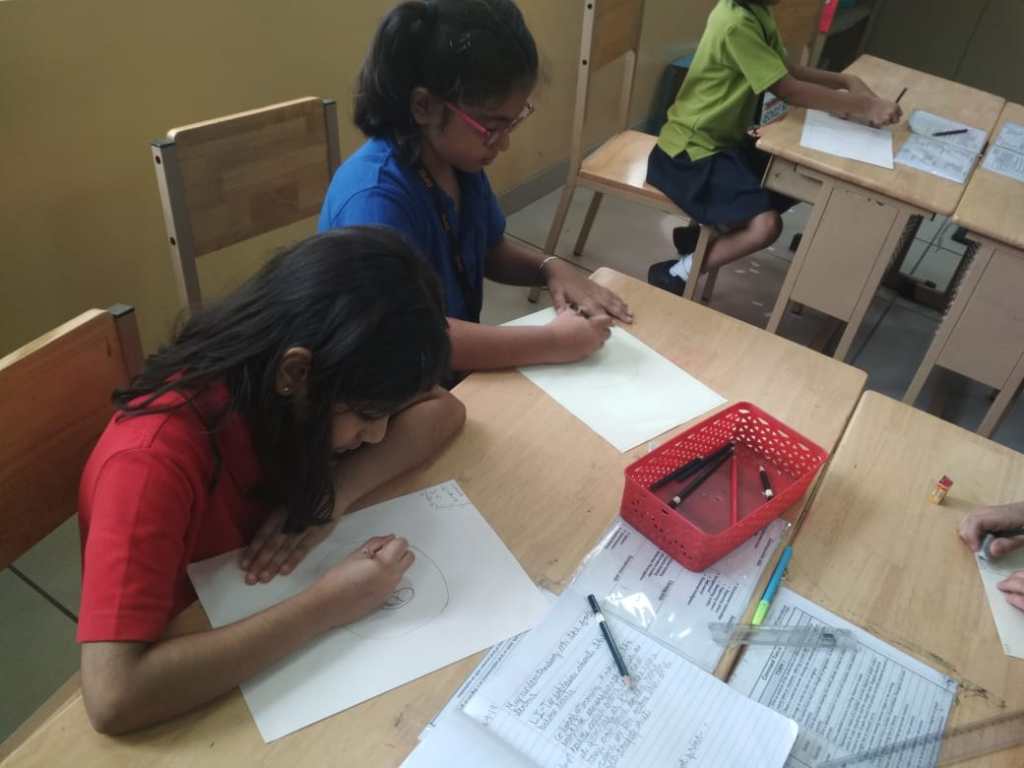
To enhance their writing skills the students wrote bina maatraa wale shabd. They also watched the Hindi stories ‘Chatur khargosh aur sher’ and ‘Jaaduee pencil’. They also heard the Hindi story ‘Kudatee zuraaben’. They celebrated Hindi Diwas by creating posters to create awareness about how everyone can save paper.
French
Using the ‘LINK strategy’, learners first made notes of what they already knew about France. They delved deeper into the country’s history and shared their knowledge through a group discourse.
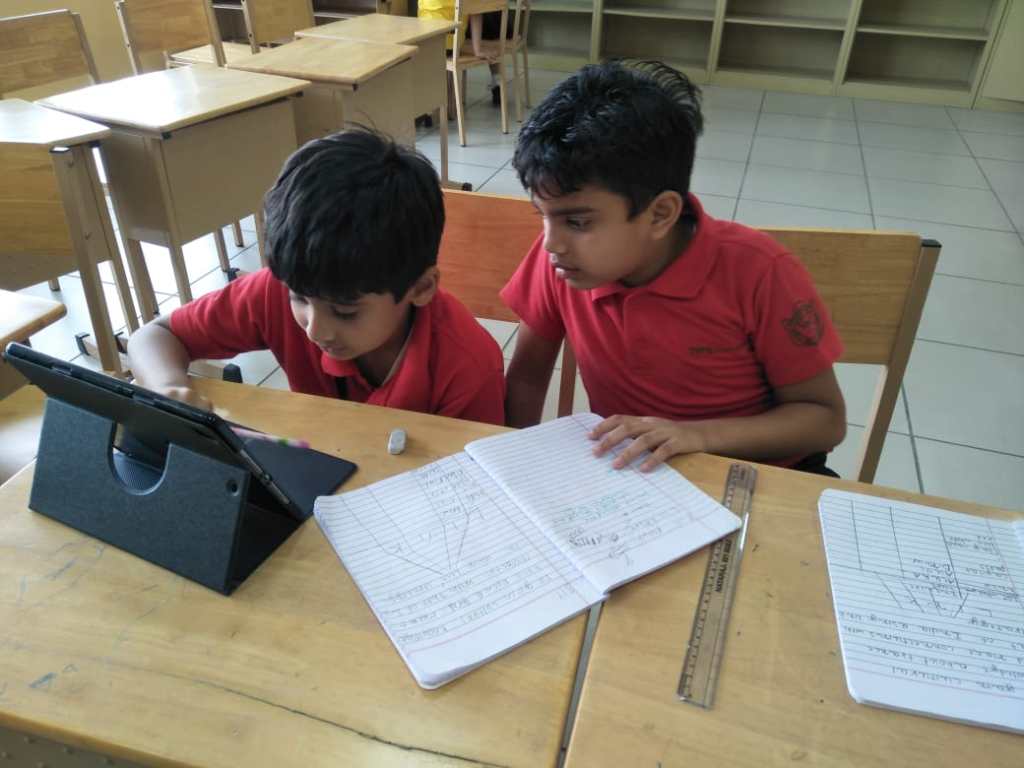
They were able to discover basic facts about France through the use of manipulatives and the internet and created a graphic organizer of their choice. They developed their thinking skills (acquisition of knowledge), self-management skills (organization and time management) and social skills (respecting and supporting others). A Venn diagram showing cultural similarities and differences between France and India was also made during class discussion.
Spanish
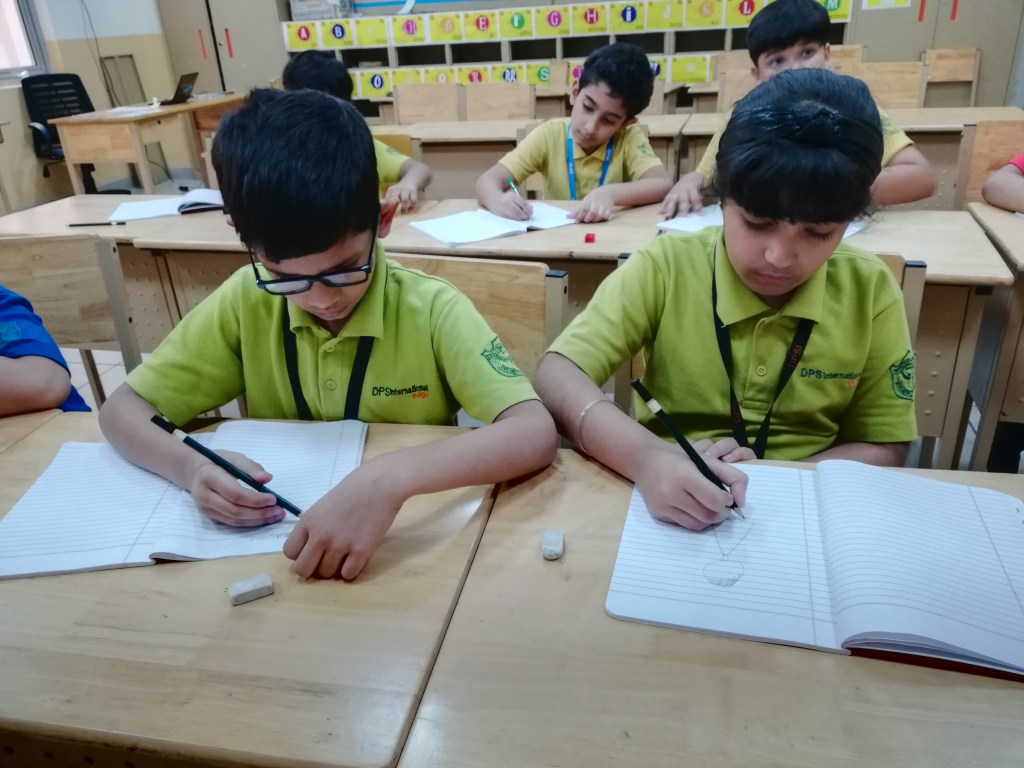
Students recapitulated Spanish letters and greetings
and practiced their pronunciation. As part of the class activity they also
attempted to spell out their individual names as well as those of their peers.
The students were then introduced to a new concept known as classroom
instructions which not only helped them to understand the idea but also inculcate
in their daily lives good communication skills.
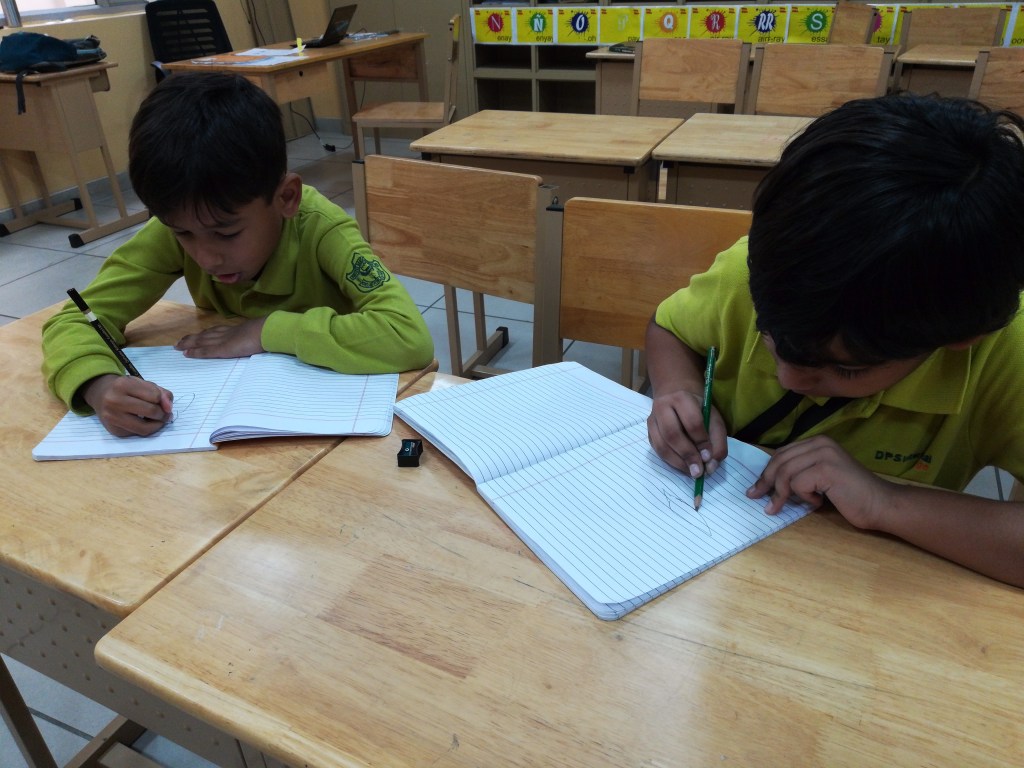
Library
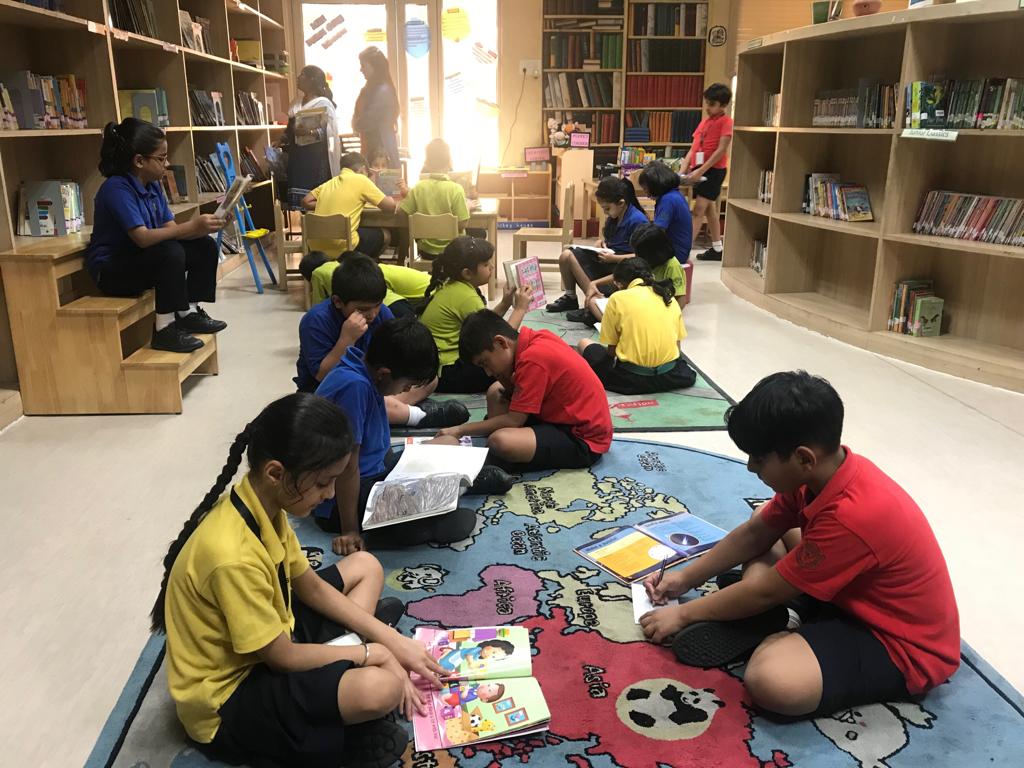
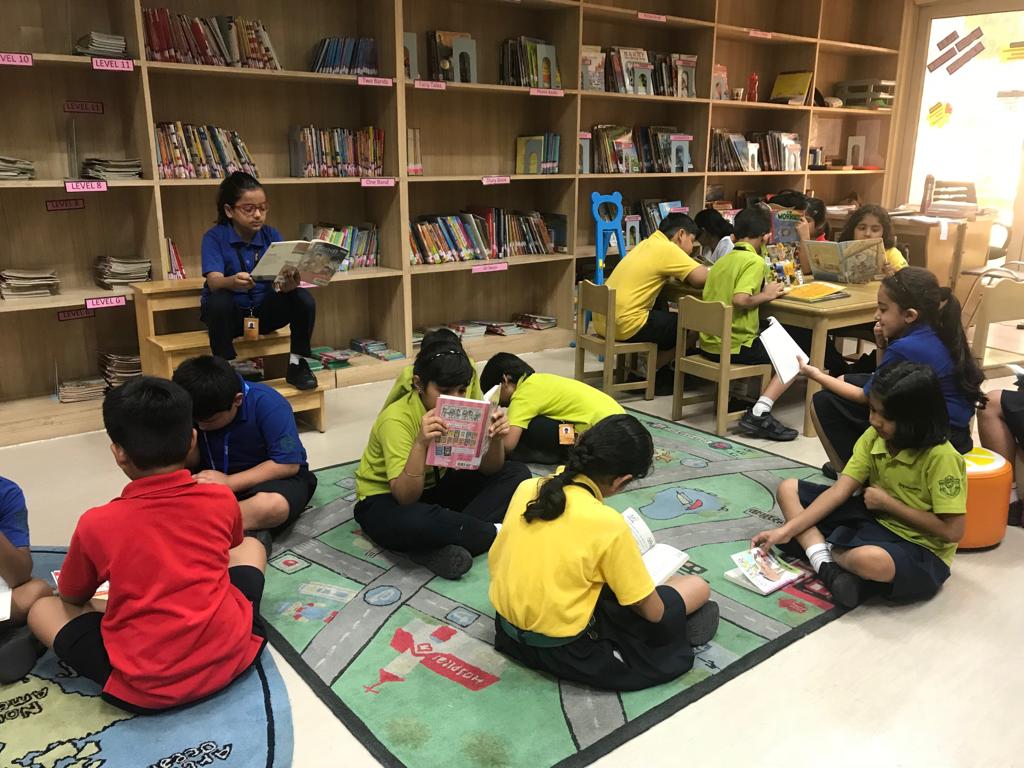
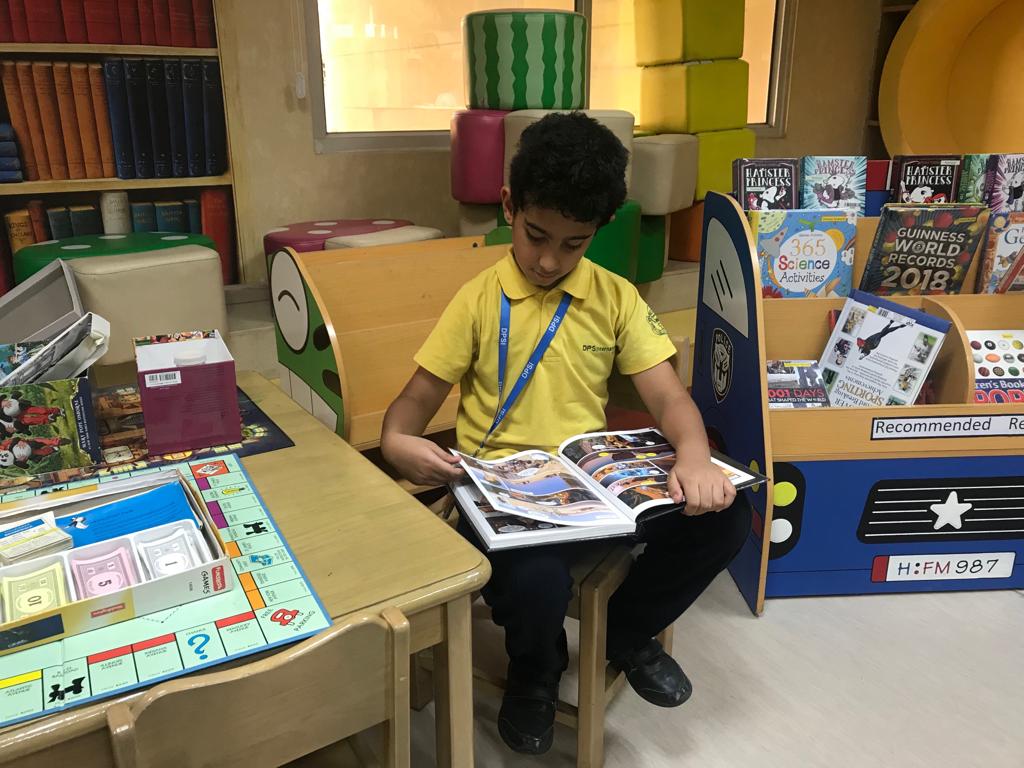
The students celebrated Roald Dahl’s 103rd birthday. He was a prolific writer of children’s books which include titles like Charlie and the Chocolate Factory, BFG, Matilda and Danny the Champion of the World to name a few.
Students learned interesting facts about his life and delved deeper into his body of work while reading various titles by the famed author. A hilarious incident from his autobiography ‘Boy – The Childhood Tales’ was also read out on this occasion.

Swimming
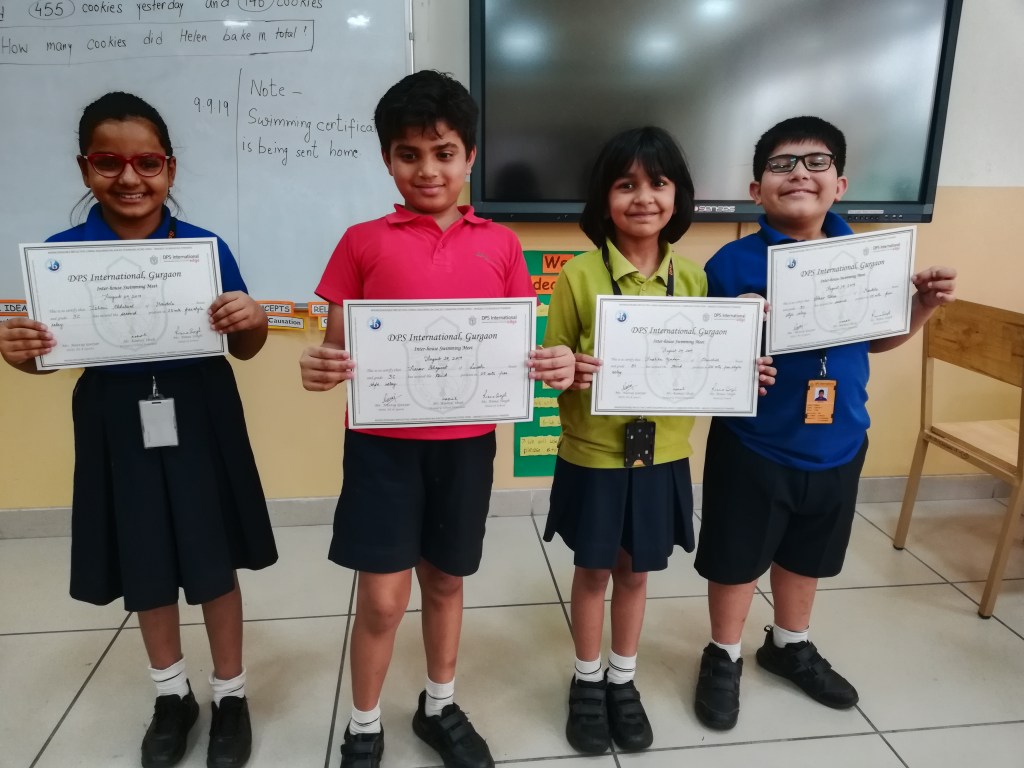
The students were introduced to breaststroke during their weekly swimming class. The breaststroke is also known as the ‘froggy’ stroke as it resembles a frog’s swimming style. It is the most popular recreational style of swimming because it is very stable and does not require a lot of effort if good technique is applied.
Art
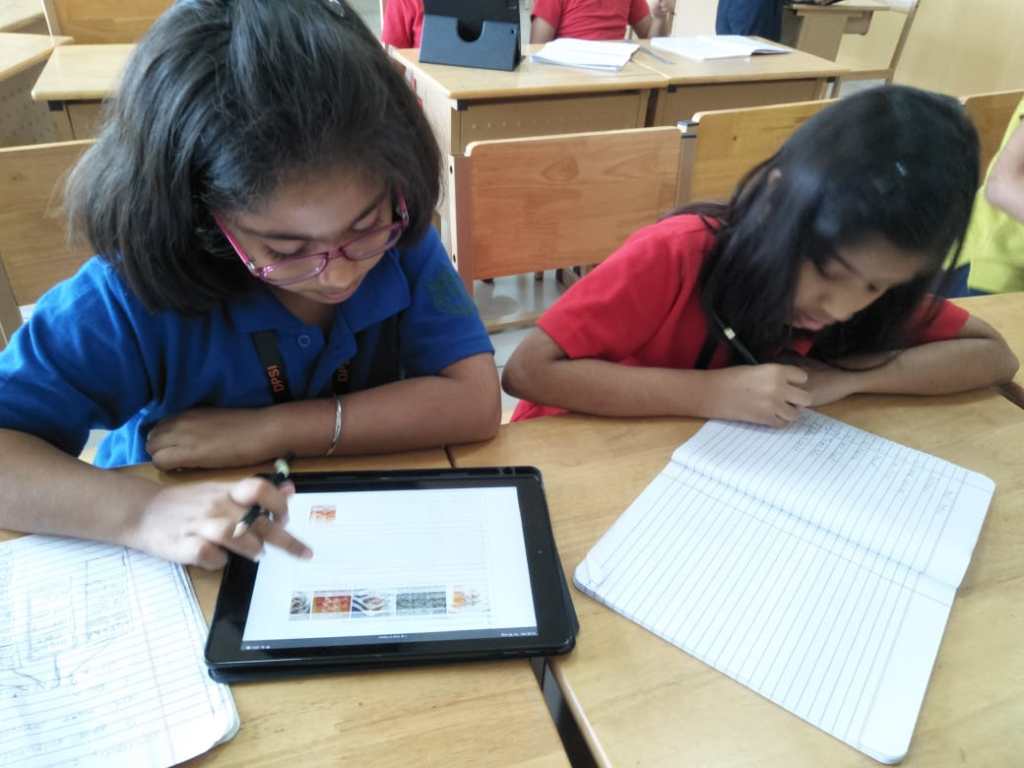
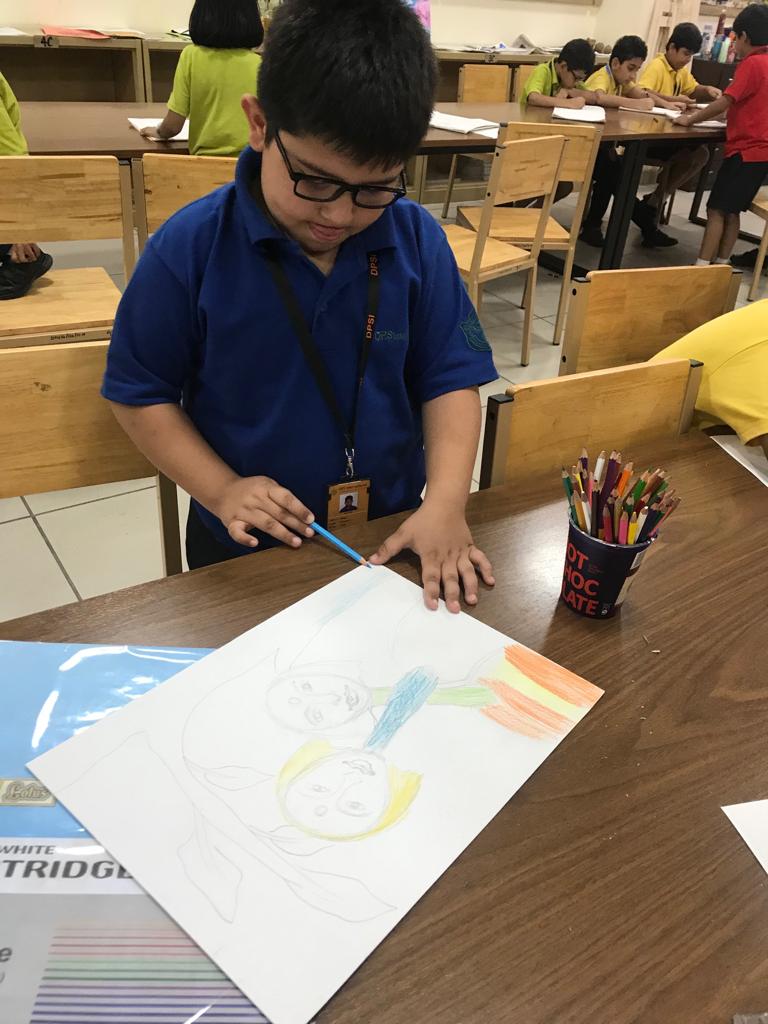
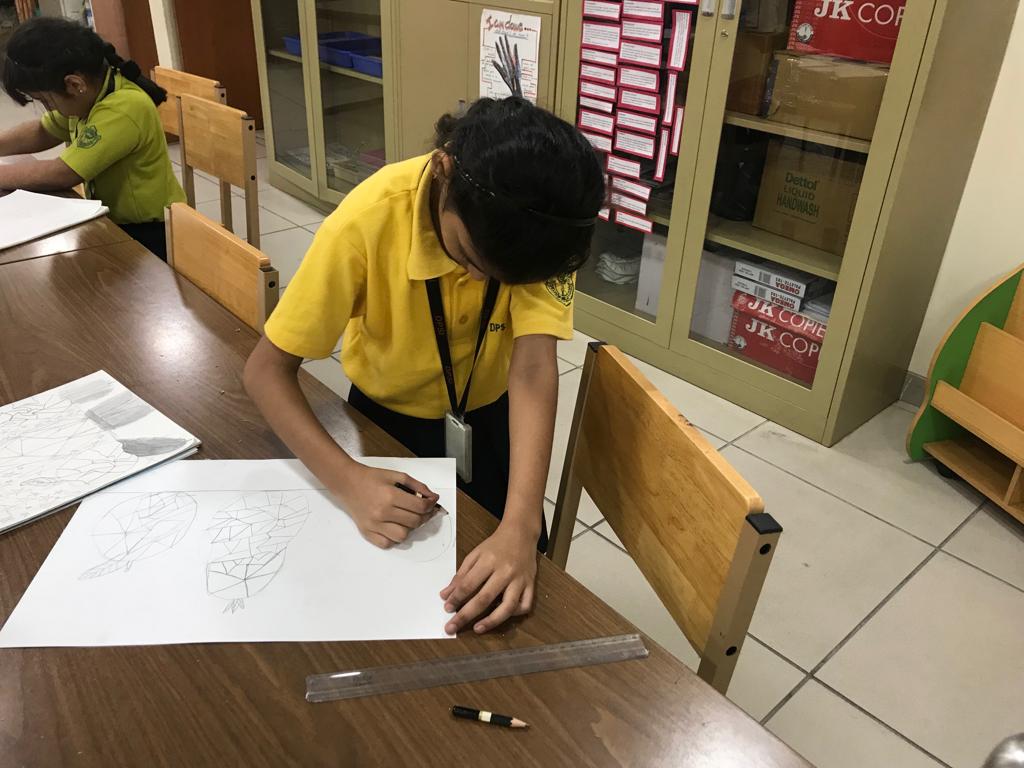
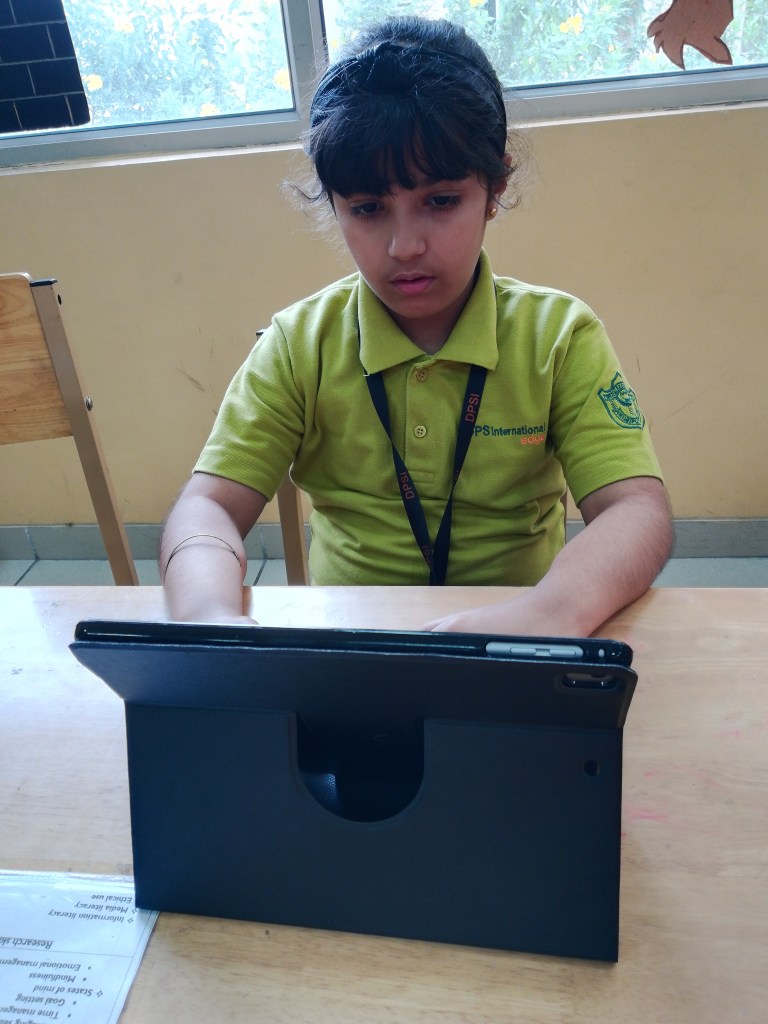
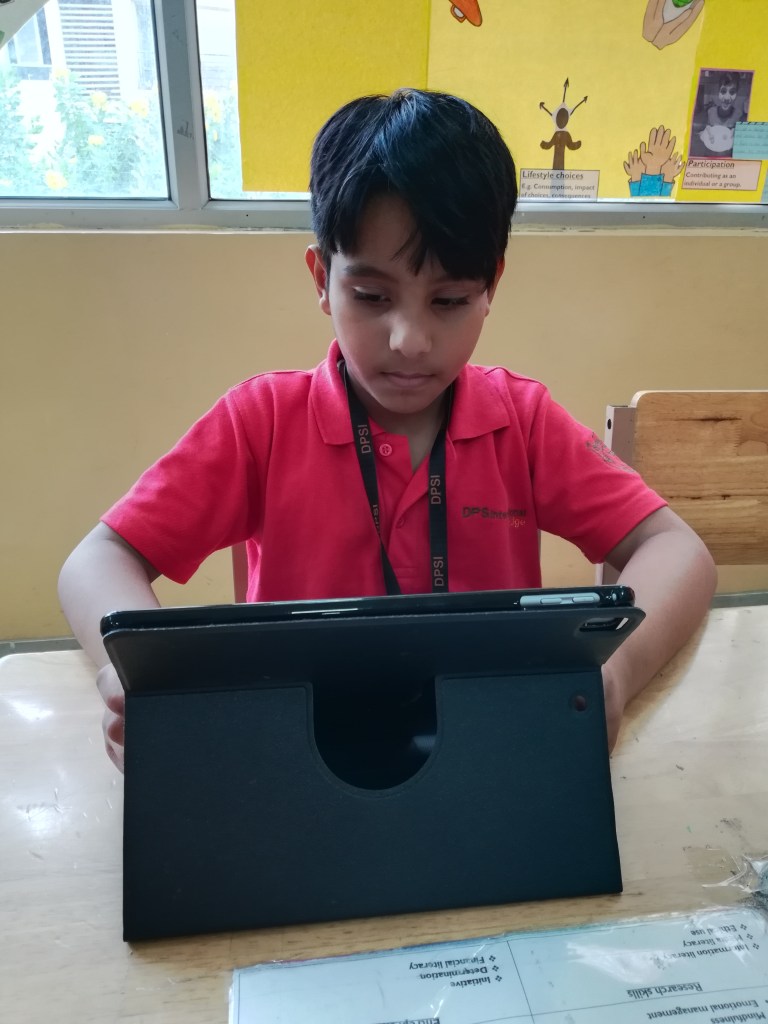
Using their IPads and working in groups, students developed their social skills by collaboratively researching ‘contemporary art’. After exploring the topic some of them shared their understanding with the entire class. They were then given the option to work individually or in pairs or small groups to organise compositions on contemporary art. Students finished their layouts and then proceeded to help their peers in putting together their creations.
Dance
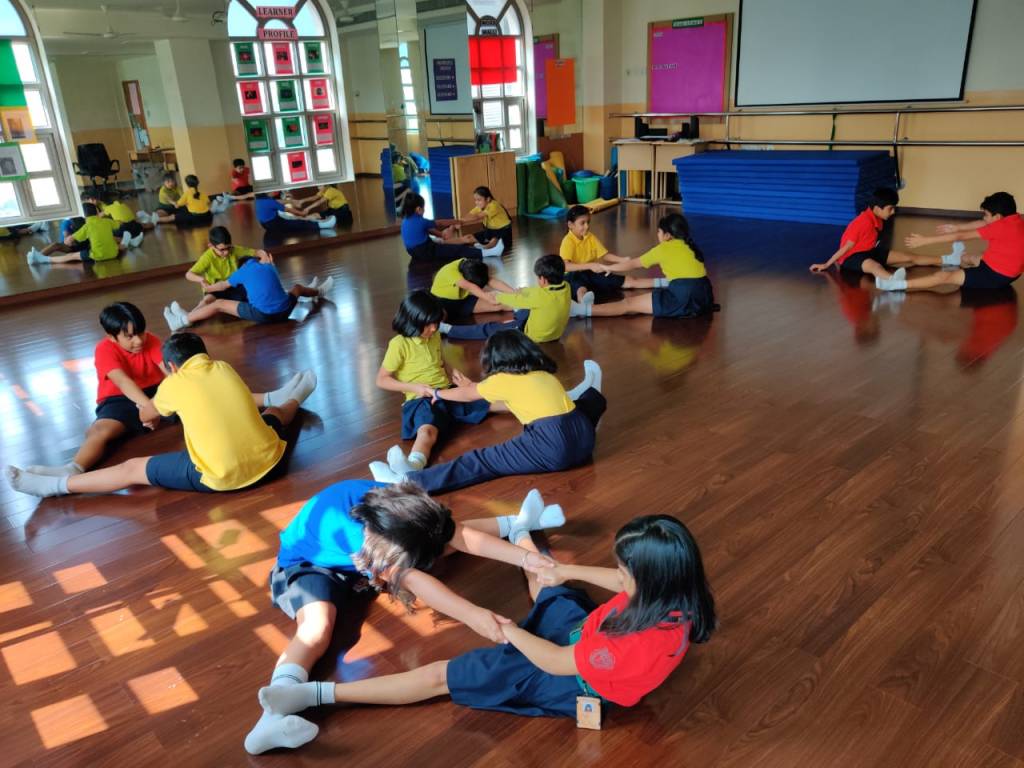
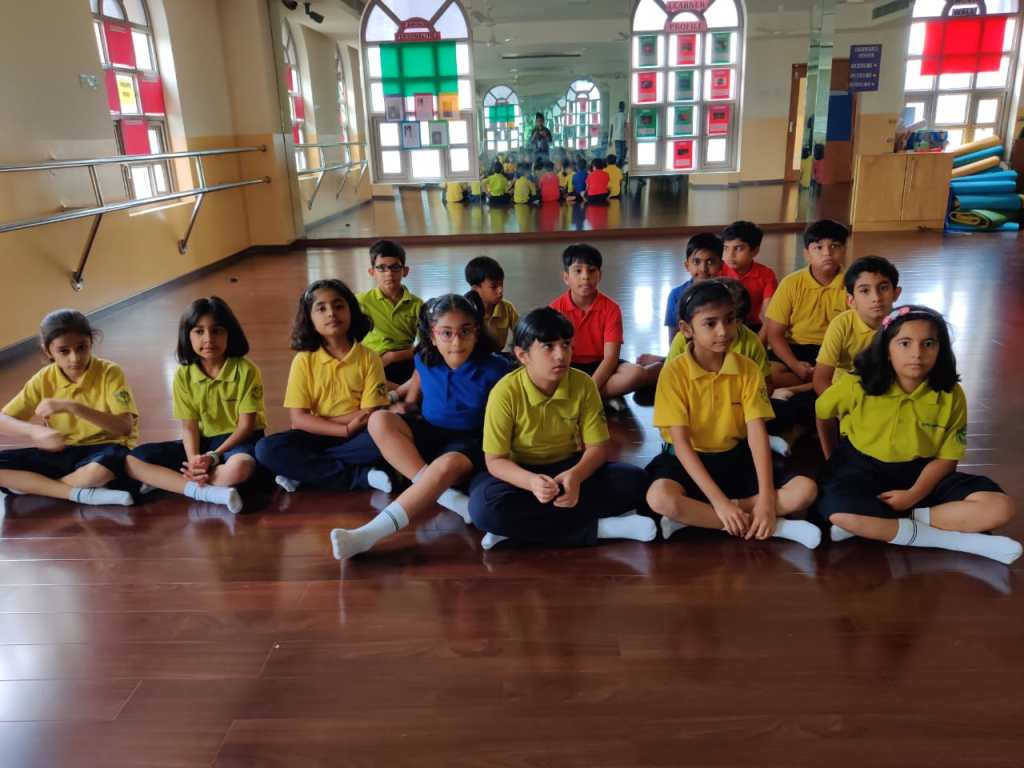
Dance lessons focused on the evolution and emergence of various dance forms. Students were challenged to stretch their bodies for better flexibility. Warm ups and exercises were done to increase suppleness while jumping, spotting, kicks and plies were executed to improve posture.
Music
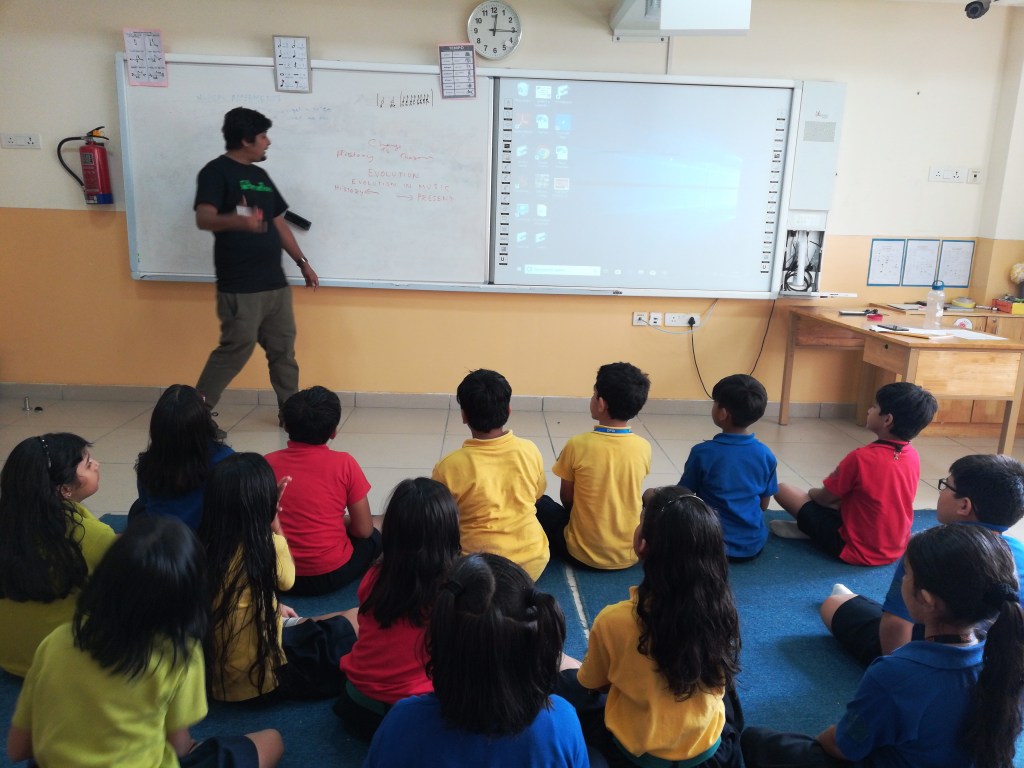
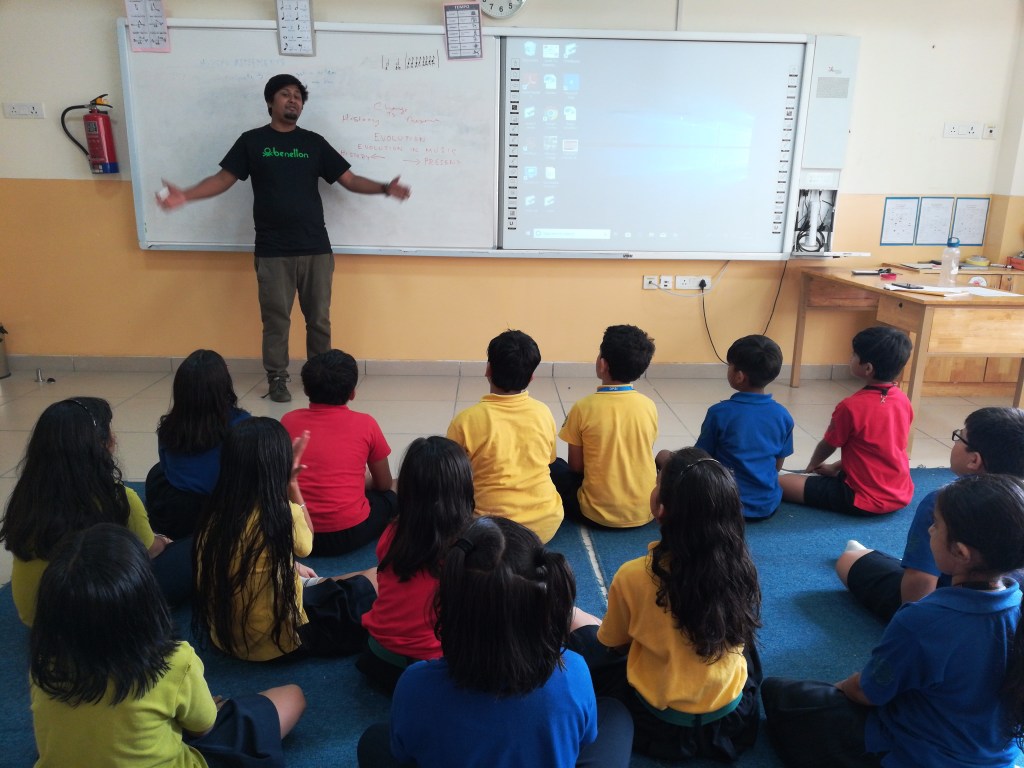
Students learned about the evolution of music and musical instruments belonging to the string family while referring to unit of inquiry (planet Earth has evolved over time and is still changing). The class also revised notes and note values and sang the song “You’ve got a Friend in me” by Randy Newman.

ICT
Students were introduced to the various tools and features of the Paint 3D app and learned how to save a project file. They explored the concept of augmented reality, virtual reality and mixed reality and came up with several examples of virtual reality in everyday life. They then utilized the mixed reality feature in Paint 3D.
Social Emotional Learning
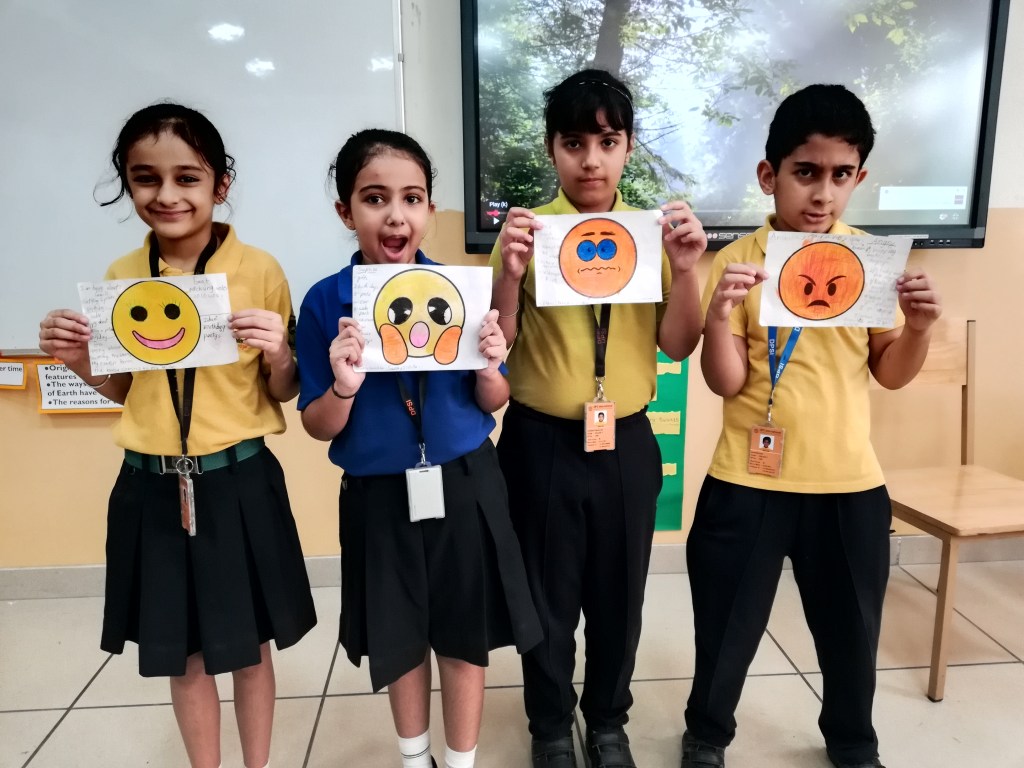
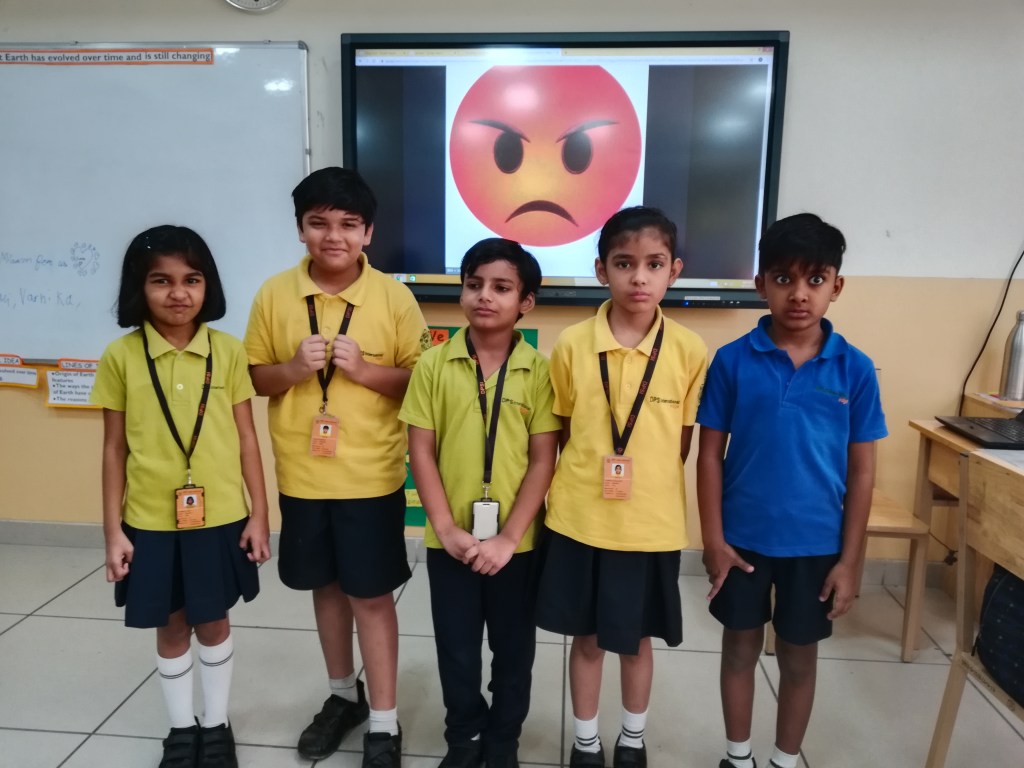
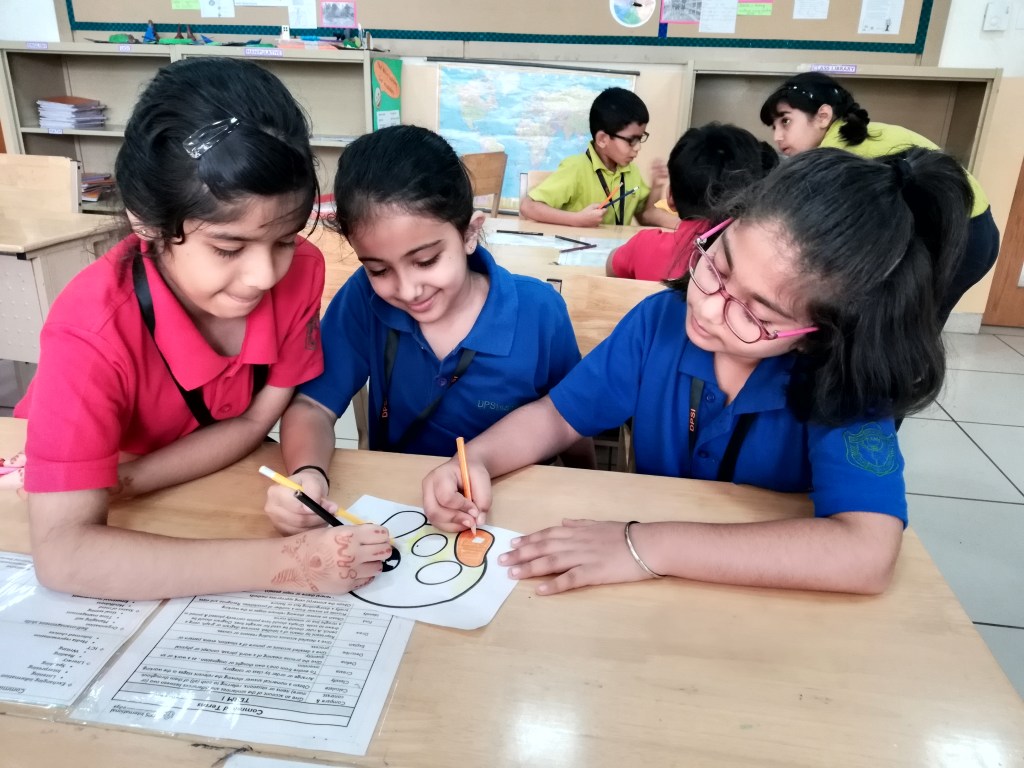
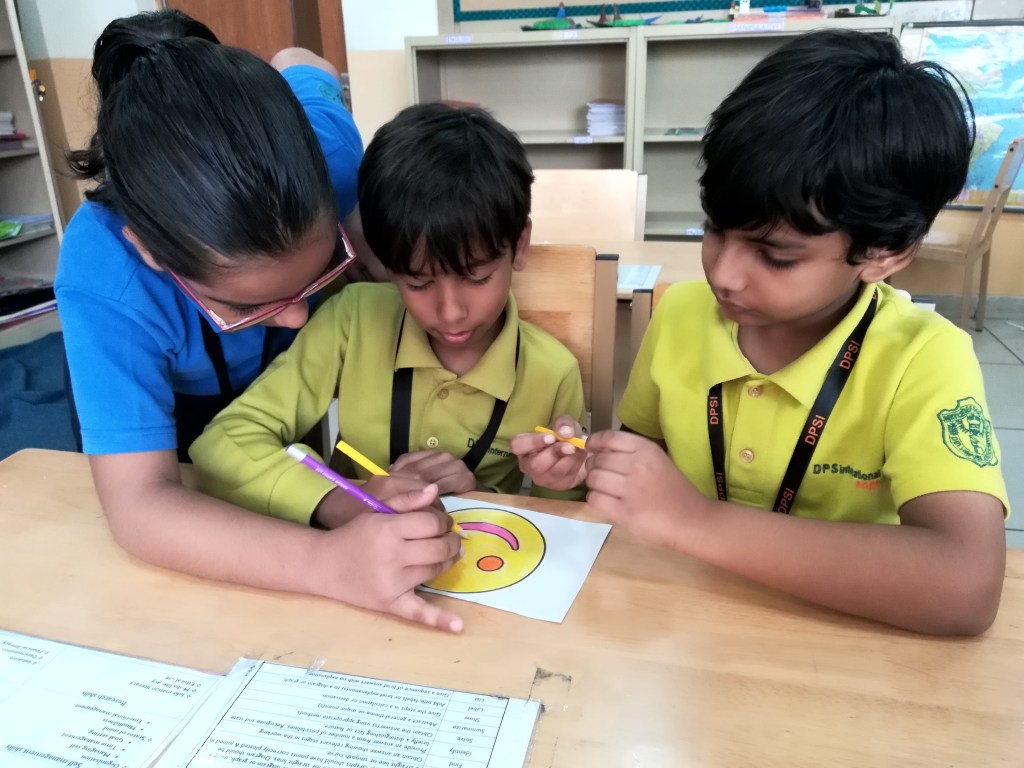
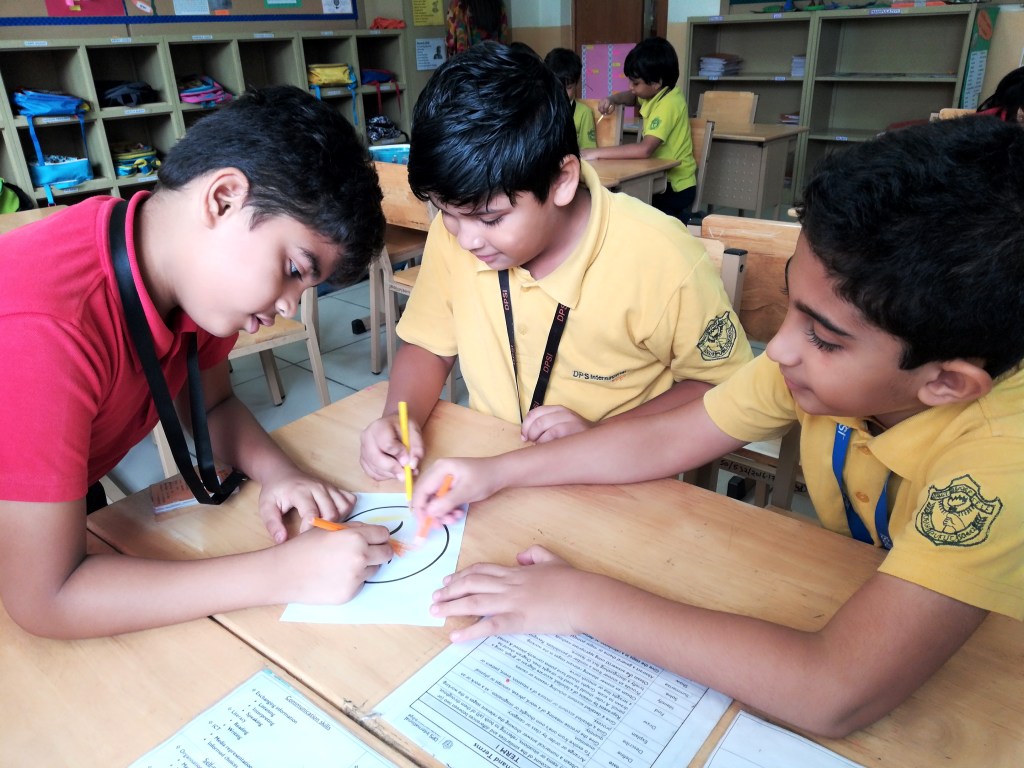
The aim of the Social and Emotional learning activity was to enable children identify feelings and emotions in diverse situations during puppet show. A healthy discussion ensued about situations that make the students feel happy or upset.
In the following week students were shown a video on kindness and how positive behaviour leads to positive interactions with others. After a discussion on the subject the class was divided into two groups. The first team was asked to enact the role which highlighted positive emotions leading to positive behaviour. The other group was asked to apply a method of ‘flip classroom’ in the form of role play wherein they had to enact how displaying negative behaviour may lead to negative reciprocation.
Assembly
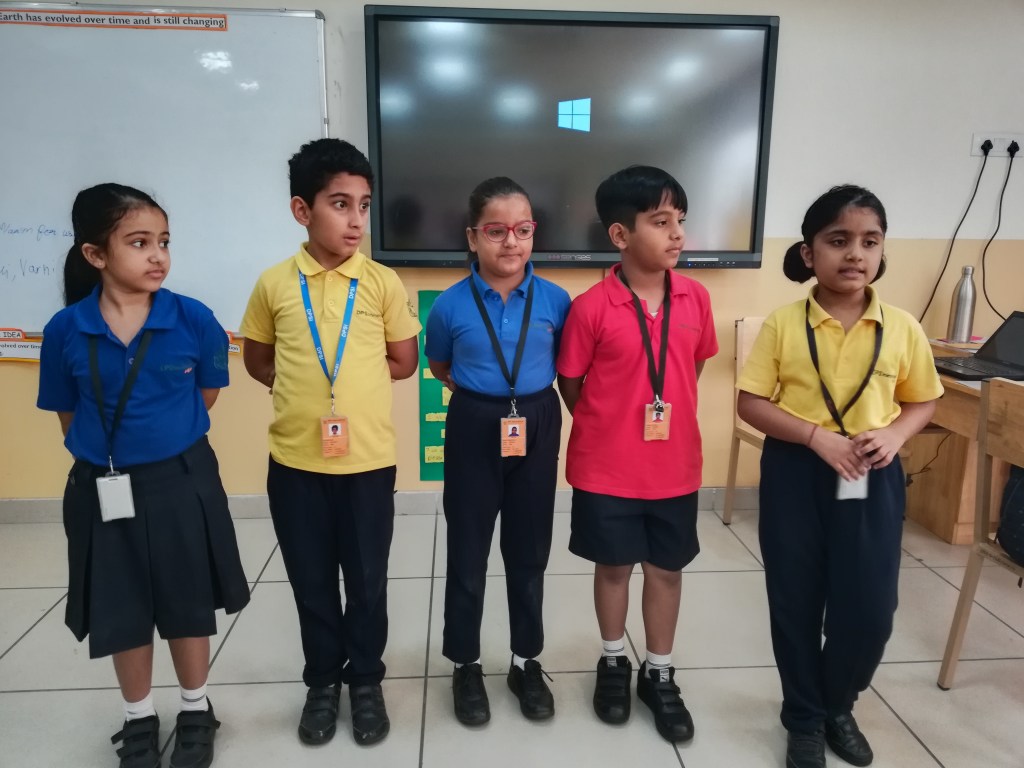
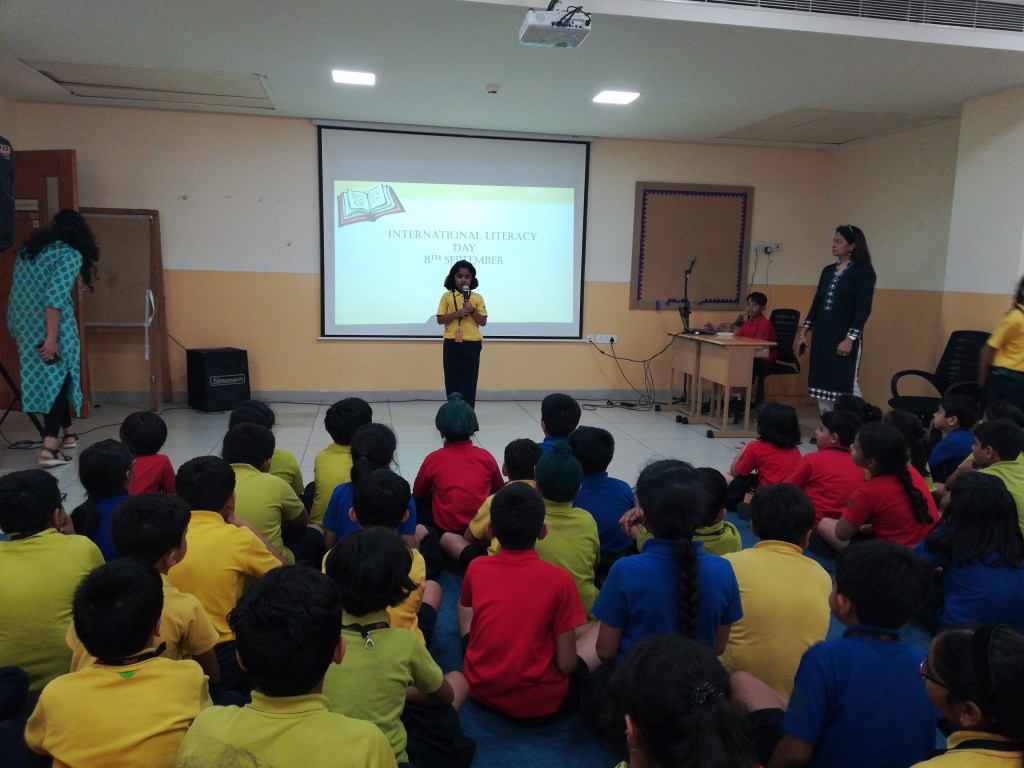
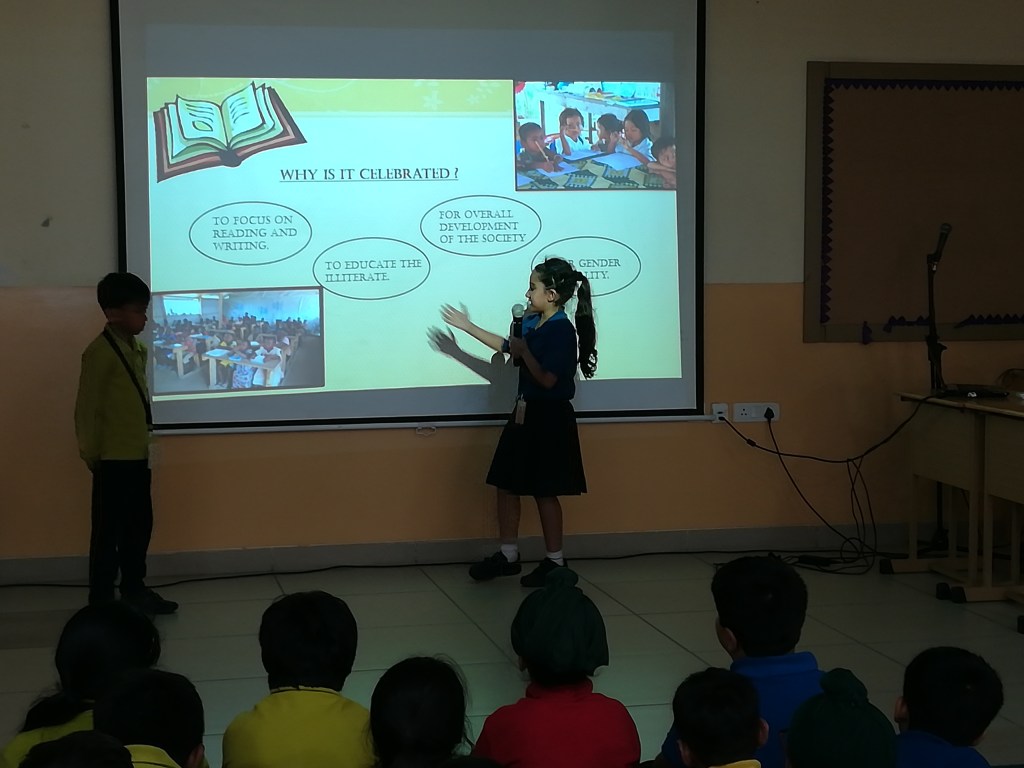
The assembly was on ‘International Literacy Day’ which was independently conducted by the students. They took turns to explain the information on power point presentation and manage the slides. Students spoke about the relevance of the day, the organization to have declared the day along with its location on the world map, through map marking.
 Grade 3c